
Beautiful Plants For Your Interior
Beautiful Plants For Your Interior
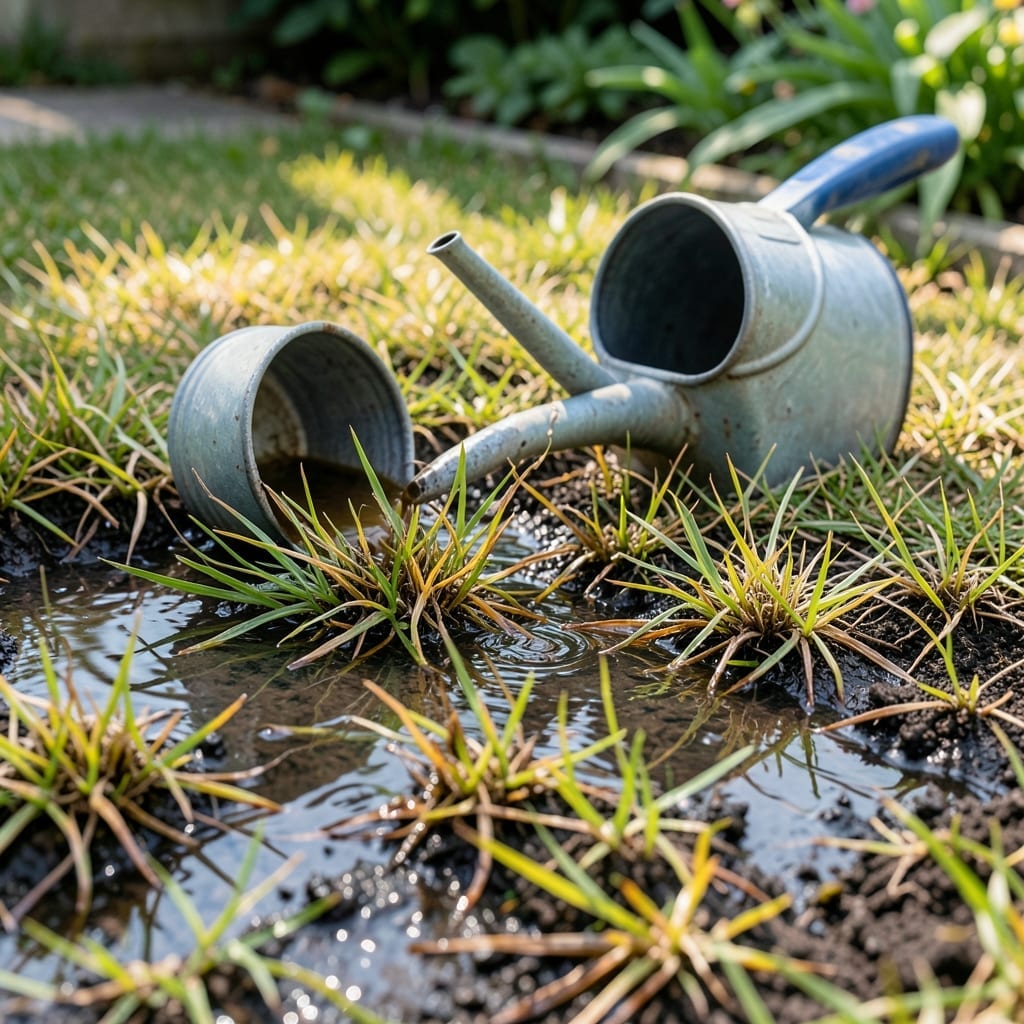
Brown patches spreading overnight? That’s the dreaded fungus from too much water. I’ve seen entire lawns turn into mushroom farms in 48 hours after heavy rain or enthusiastic sprinkler use.
Overwatering creates a perfect breeding ground—soggy soil, stale air, and stressed grass. The fix starts with your feet: if the ground squishes underfoot, you’re in trouble. Adjust your schedule and let the soil breathe.
Organic solutions work fast if you catch it early. A simple baking soda spray stops the spread while your lawn dries out. Within a week, you’ll see the color returning and the fungus retreating.
Prevention is simpler than cure. Water in the morning, improve drainage, and mow high to keep air moving. Your grass will thank you with vibrant green instead of unsightly spots.
Overwatering doesn’t just drown your grass—it rolls out the welcome mat for fungal invaders. Here’s the science behind why excess moisture turns your lawn into a fungal hotspot, broken down by cause.
Grass roots need oxygen to thrive, but overwatering fills soil pores with water, suffocating the roots and creating anaerobic conditions. Fungi like Pythium and Rhizoctonia thrive in these low-oxygen environments, rapidly spreading as roots weaken. Wet soil also slows decomposition, leaving organic matter to rot—a buffet for spores.
Waterlogged grass retains moisture for hours, especially in shaded or compacted areas. This prolongs leaf wetness, a critical trigger for fungal germination. Many lawn fungi, such as Dollar Spot or Brown Patch, activate after just 8–12 hours of continuous moisture, especially in warm (70–90°F) conditions.
Healthy soil hosts beneficial microbes that outcompete harmful fungi. However, chronic overwatering shifts this balance by favoring water-loving pathogens. Excess moisture also leaches nutrients (like nitrogen), weakening grass and leaving it vulnerable to opportunistic fungi like Fusarium.
Lawns with clay-heavy soil or heavy foot traffic develop compacted layers that trap water near the surface. This stagnant moisture fosters fungal growth while preventing grass from drying out. Thatch buildup (a layer of undecomposed organic matter) exacerbates the problem by holding additional moisture against the soil.
Here’s how to tackle fungus in overwatered grass, with clear fixes and prevention tips to keep your lawn healthy.
If your grass is soggy, ease up on watering. Water deeply but less frequently—early morning is best to allow evaporation. Aim for 1–1.5 inches per week, including rainfall. Use a rain gauge or tuna can to measure. For existing fungus, stop watering until the soil dries slightly.
For active fungal growth like brown patch or dollar spot, spray neem oil or baking soda solution (1 tbsp baking soda + 1 tsp dish soap + 1 gallon of water). Reapply every 5–7 days until the fungus clears. Remove heavily infected grass to prevent spread. Always test treatments on a small area first.
Pro tip 💡: Improve airflow by raking the lawn to reduce thatch buildup, which traps moisture.
Compacted or clay-heavy soil holds water too long. Aerate your lawn with a core aerator to let air, water, and nutrients penetrate. For severe cases, mix in compost or sand to improve drainage. If low spots collect water, level them with topsoil.
Overwatered grass is often weak and prone to disease. Mow high (3–4 inches) to shade the soil and retain moisture without encouraging fungus. Fertilize lightly with a slow-release organic fertilizer to boost resilience. Avoid heavy nitrogen in warm, wet seasons—it fuels fungal growth.
Pro tip 🌡️: Dull mower blades tear grass, making it more vulnerable. Sharpen them at least once a year.
Water deeply 1-2 times per week, providing 1-1.5 inches total. Always water in the early morning to allow evaporation. Skip watering if rainfall meets this requirement.
Stop watering immediately and apply a baking soda spray (1 tbsp baking soda + 1 gallon water). Remove infected patches to prevent further spread.
Yes! A neem oil spray or baking soda solution works well for mild cases. For severe infections, you may need commercial organic fungicides.
Persistent fungus usually means poor drainage or compacted soil. Aerate your lawn and amend with compost to improve water flow.