
Beautiful Plants For Your Interior
Beautiful Plants For Your Interior
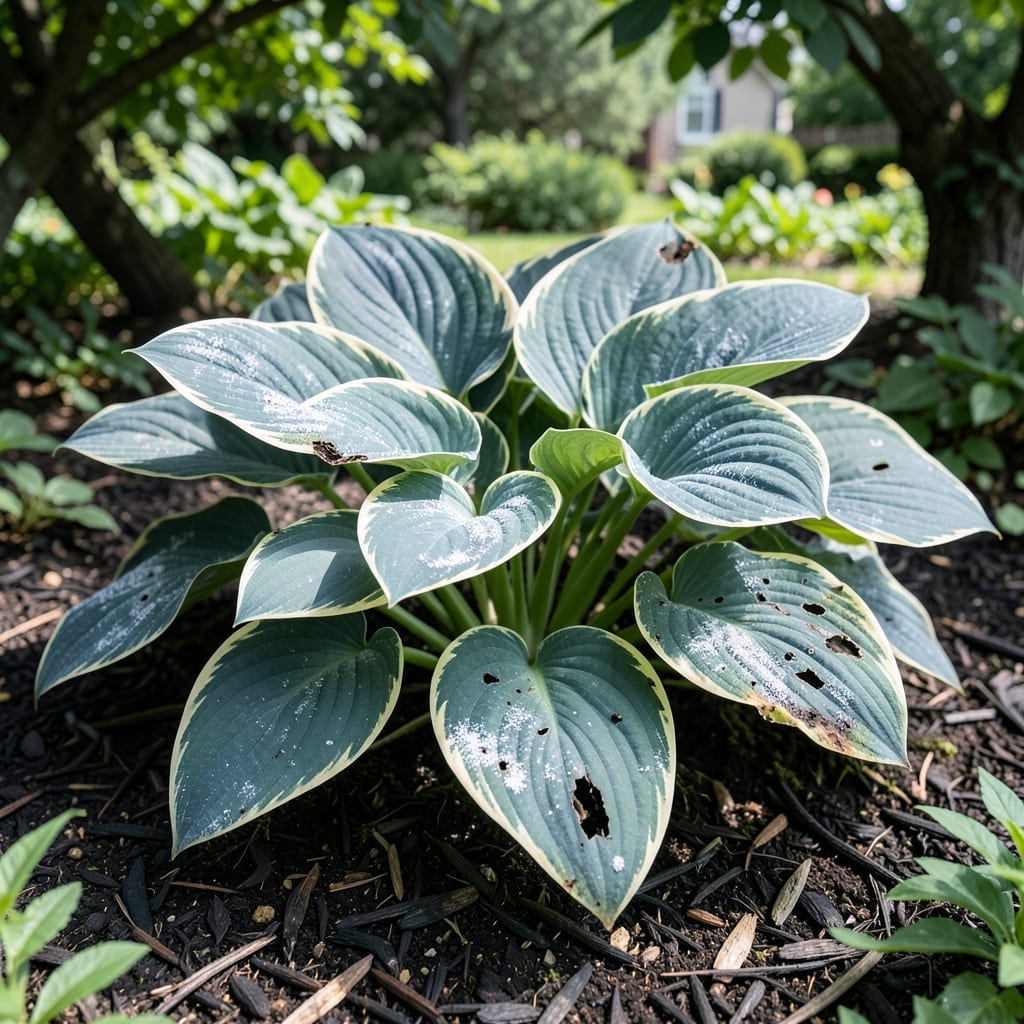
I spotted brown spots on my hostas last summer and panicked. Turns out, early detection is everything with fungal issues like anthracnose.
These problems often start with circular lesions or yellowing edges. The key is catching them before they spread to neighboring plants in your shade garden.
Simple fixes like improving air circulation and removing affected leaves can stop the damage. I use a baking soda spray that works surprisingly well.
Prevention is easier than cure—water at the base, avoid overhead sprinkling, and clean up fallen debris regularly.
Fungal infections on hostas thrive under specific environmental and cultural conditions. Understanding these triggers helps prevent outbreaks and keeps your plants healthy. Below are the primary causes, explained scientifically.
Fungi like Anthracnose and Foliar Nematodes flourish in damp environments. Overwatering, poor drainage, or frequent rain creates a moist habitat on leaves, encouraging spore germination. Hostas in shaded, humid areas are especially vulnerable. Actionable fix: Water at the base early in the day to allow foliage to dry quickly.
Dense plantings or crowded garden beds restrict airflow, trapping moisture on leaves. Stagnant air promotes fungal spores to settle and multiply. Actionable fix: Space hostas 18–24 inches apart and prune surrounding plants to improve ventilation.
Fungal pathogens like Phytophthora can linger in soil or on gardening tools, infecting healthy hostas. Reusing unsterilized tools or planting in contaminated soil spreads disease. Actionable fix: Sterilize tools with rubbing alcohol and rotate planting locations to break fungal life cycles.
Watering from above wets the leaves, providing a perfect medium for fungal growth. Splashing water can also spread spores from the soil to the plant. Actionable fix: Use drip irrigation or soaker hoses to keep foliage dry.
Stressed hostas—due to nutrient deficiencies, pest damage, or improper pH—are more susceptible to fungal attacks. Healthy plants have natural defenses to resist infections. Actionable fix: Test soil pH (aim for 6.0–7.5) and fertilize with a balanced, slow-release product to strengthen plants.
Fungal issues on hostas can be frustrating, but with the right approach, you can restore their health. Below are targeted solutions for common fungal problems, along with prevention tips to keep your plants thriving.
Fix: Mix 1 tablespoon of baking soda, 1 teaspoon of dish soap, and 1 gallon of water. Spray this solution on affected leaves every 7–10 days until the fungus clears. For severe cases, use a fungicide labeled for powdery mildew, following package instructions.
Prevention: Improve air circulation by spacing plants properly. Water at the base of the plant to keep leaves dry, and avoid overhead watering in the evening.
Fix: Remove and destroy infected leaves to prevent spreading. Apply a copper-based fungicide or neem oil to the remaining foliage, repeating every 10–14 days as needed.
Prevention: Keep the garden clean by removing fallen debris, which can harbor fungal spores. Water early in the day so leaves dry quickly.
Fix: Dig up the affected hosta and trim away black, mushy roots. Replant in fresh, well-draining soil. If the rot is extensive, discard the plant to protect others.
Prevention: Ensure hostas are planted in well-draining soil and avoid overwatering. Raised beds or containers can help improve drainage in heavy clay soils.
Fix: Remove and destroy severely infected plants. For mild cases, cut away rotted sections and treat the remaining crown with a fungicide. Reduce watering until the plant recovers.
Prevention: Plant hostas in slightly elevated areas to prevent water pooling. Mulch with organic matter to improve soil structure but avoid piling it against the crown.
Pro Tip 💡: Always sanitize your pruning tools between cuts with rubbing alcohol to avoid spreading fungal spores to healthy plants.
Fungal spots usually have defined edges or rings, while sun damage appears as bleached or crispy areas. Check for spreading patterns—fungus grows over time, sun damage stays static.
If over 50% of the plant is affected, removal is safest. For less damage, prune infected leaves and apply fungicide. Healthy roots often regrow clean foliage.
Apply treatments in early morning when leaves are dry. Avoid midday heat or evening to prevent moisture from sitting overnight. This maximizes absorption and effectiveness.
Yes, but use it correctly. 1-2 inches of organic mulch improves soil health, but keep it away from the crown to avoid trapping moisture.