
Beautiful Plants For Your Interior
Beautiful Plants For Your Interior
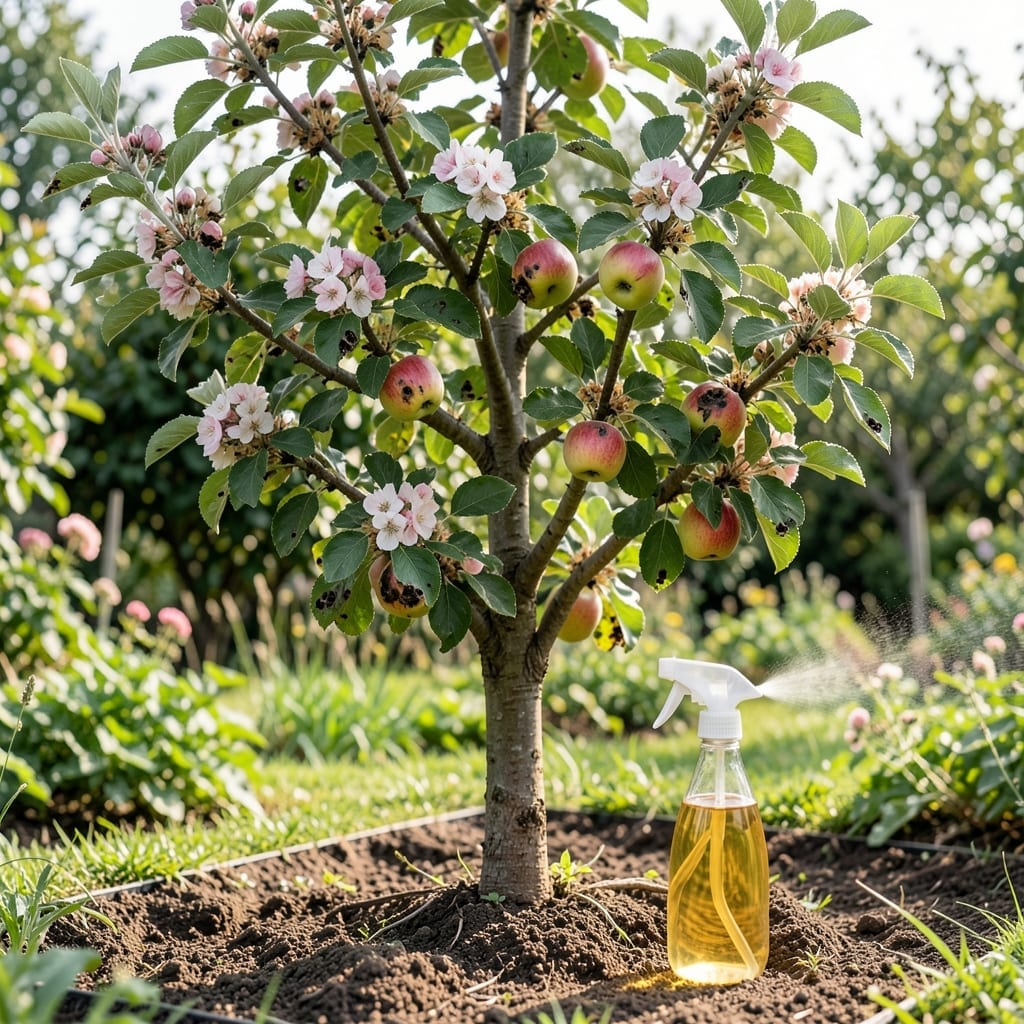
Apple cider vinegar contains acetic acid, which may inhibit some fungal growth, but its effectiveness varies by fungus type and concentration. Always dilute before use to avoid plant damage.
I use this approach in my garden for mild cases of powdery mildew, where the acid disrupts fungal cell membranes. 🔥 It works best as a preventative or early treatment, though severe infestations often need stronger solutions. The key is maintaining a 1:10 vinegar-to-water ratio to balance effectiveness with plant safety.
💡 In This Article
The acetic acid in apple cider vinegar disrupts fungal cell membranes through a process called protonation. This lowers the pH around the fungus, forcing its cells to expend energy to maintain internal balance, eventually leading to cellular collapse. Studies show acetic acid can inhibit Candida growth at concentrations as low as 0.1-0.5%. 🔥
What makes this particularly effective is how acetic acid interferes with fungal enzyme systems. It denatures proteins essential for fungal metabolism, similar to how pasteurization works for food preservation. The undissociated acid molecules can penetrate the fungal cell wall, creating an inhospitable environment. This mechanism works best against superficial fungi like powdery mildew.
Compared to commercial fungicides, vinegar offers a gentler approach. While synthetic options like copper sulfate provide broader protection, they can accumulate in soil. Apple cider vinegar breaks down into carbon dioxide and water, leaving no harmful residue. However, it lacks the systemic action of chemical fungicides, meaning it only affects surface-level spores.
The natural sugars in apple cider vinegar can actually feed some fungal growth if used incorrectly. This is why proper dilution is crucial—typically 1 part vinegar to 10 parts water—to maximize acetic acid’s benefits while minimizing sugar content. The mother in unfiltered vinegar contains beneficial bacteria that may also help outcompete harmful fungi.
Environmental factors significantly impact effectiveness. Vinegar works best in dry conditions, as moisture can dilute the solution and reduce its potency. Application in early morning or late evening prevents rapid evaporation and allows longer contact time with fungal spores. Temperature matters too, with optimal results between 60-80°F. ✨
Acetic acid disrupts fungal cell membranes by altering pH balance, forcing the cells to expend energy to survive. This process eventually leads to cellular collapse, particularly effective against superficial fungi.
No, undiluted vinegar can burn plant leaves and harm soil microbes. Always use a 1:10 vinegar-to-water ratio for safe application, testing on a small area first to check for sensitivity.
Reapply every 5-7 days or after rain, as the solution needs 4-6 hours of contact time to be effective. For stubborn cases, a 1:5 ratio may be used as a spot treatment only.
Yes, vinegar is non-selective and will kill any fungus it contacts. Use it only when active fungal growth is present, then stop to allow your garden’s natural ecosystem to recover.