
Beautiful Plants For Your Interior
Beautiful Plants For Your Interior
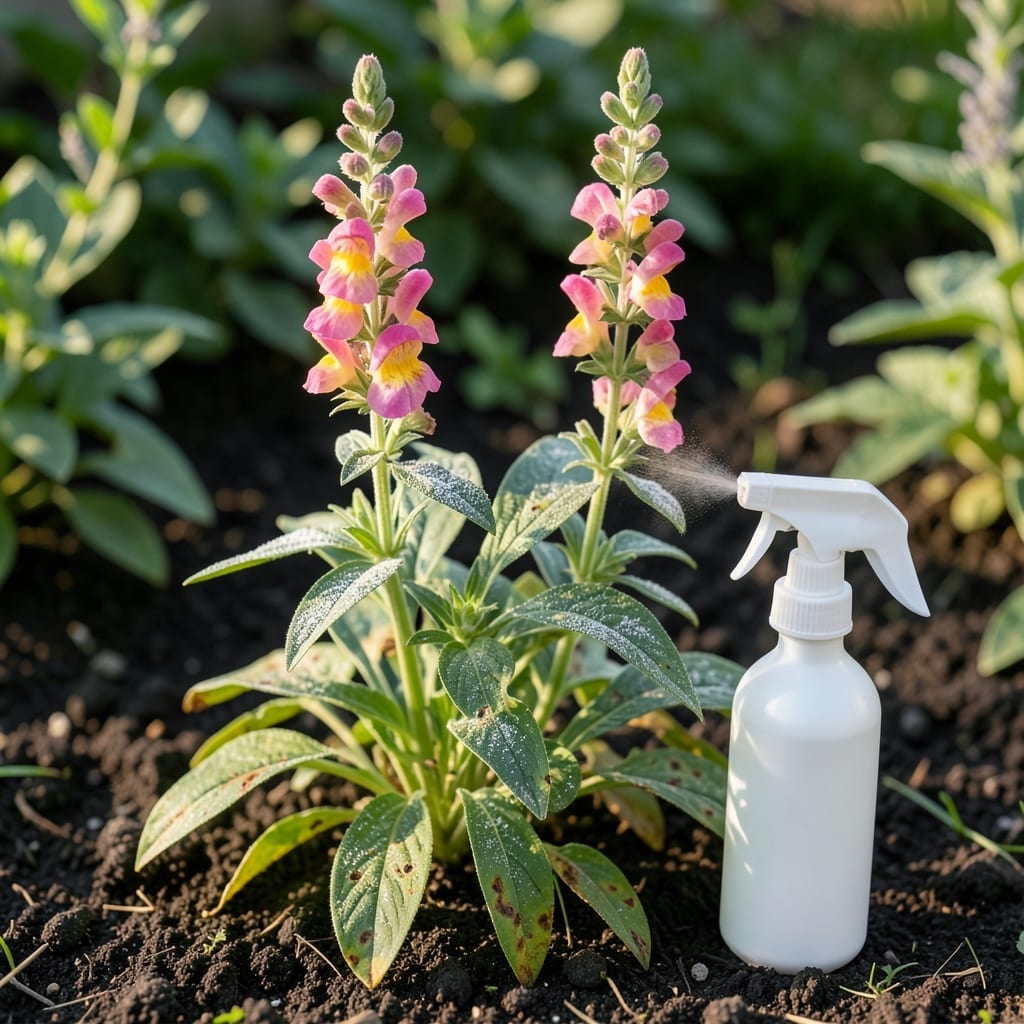
Snapdragons drooping with white powder or black spots break my heart every time. I’ve lost entire beds to fungal issues before learning the simple fixes that keep them blooming all season long.
The culprits—powdery mildew, rust, or root rot—thrive in damp conditions, but organic solutions like neem oil, baking soda sprays, or copper fungicides stop them fast. Prevention starts with spacing plants for airflow and watering at soil level.
Within 48 hours of treatment, you’ll see improvement, and healthy snapdragons reward you with vibrant spikes of color. No harsh chemicals needed—just consistent care and the right organic approach.
Works for container snapdragons too. Let’s clear up those leaves and get them thriving again.
Snapdragons (Antirrhinum majus) are prone to fungal diseases due to a mix of environmental, biological, and cultural factors. Understanding these root causes helps you prevent and treat infections effectively.
Fungi thrive in damp conditions. Overwatering, poor soil drainage, or high humidity creates the perfect breeding ground for pathogens like Botrytis cinerea (gray mold) and Pythium (root rot). Waterlogged roots suffocate, weakening the plant’s defenses. Action: Ensure well-draining soil and water at the base to keep foliage dry.
Dense plantings restrict airflow, trapping moisture around leaves and stems. This stagnant environment encourages fungal spores to germinate and spread. Powdery mildew and rust often take hold in such conditions. Action: Space snapdragons 12–18 inches apart and prune for better ventilation.
Snapdragons prefer cool to moderate temperatures (60–75°F). Sudden swings—especially warm days followed by cool, humid nights—stress the plants and invite fungal growth. Downy mildew thrives in these conditions. Action: Use mulch to stabilize soil temperature and avoid late-day watering.
Some fungi, like Fusarium and Verticillium, lurk in contaminated soil or infected plant debris. They enter through roots or wounds, causing wilt or stem rot. Action: Rotate crops, solarize soil, or use sterile potting mix for seedlings.
Stressed snapdragons—due to nutrient deficiencies, pest damage, or improper pruning—are more susceptible to fungal attacks. Healthy plants produce natural defenses like phenolic compounds to fend off pathogens. Action: Fertilize balancedly (avoid excess nitrogen) and remove damaged foliage promptly.
Fungal problems in snapdragons can be frustrating, but with the right approach, you can restore your plants to full health. Below are targeted solutions for common fungal issues, along with prevention tips to keep them from returning.
Fix: Spray affected leaves with a baking soda solution (1 tsp baking soda + 1 quart water + a few drops of dish soap). For severe cases, use a copper-based fungicide or neem oil. Remove heavily infected leaves to prevent spread.
Prevent: Improve air circulation by spacing plants properly. Water at the base to keep foliage dry, and avoid overhead watering in the evening.
Fix: Apply a fungicide containing potassium bicarbonate or copper. Prune infected areas immediately and dispose of them in the trash (not compost).
Prevent: Water early in the day so leaves dry quickly. Use drip irrigation, and avoid crowding plants.
Fix: If caught early, stop watering and let the soil dry out. For advanced cases, remove the plant, trim rotten roots, and repot in fresh, well-draining soil. Use a fungicide drench with Trichoderma or myclobutanil.
Prevent: Ensure containers have drainage holes. Use a sterile potting mix, and avoid overwatering. 💡 Pro Tip: Add perlite or sand to improve soil drainage.
Fix: Remove and destroy infected leaves. Apply a sulfur-based fungicide or neem oil weekly until the problem subsides.
Prevent: Keep the garden clean by removing debris where spores can overwinter. Rotate crops yearly to reduce recurrence.
For organic gardeners, neem oil and compost tea are great preventive sprays. Always apply fungicides in the early morning or late evening to avoid leaf burn, and follow label instructions for safety and effectiveness.
Apply every 7-10 days for prevention during wet seasons. For active infections, treat every 5-7 days until symptoms disappear. Always follow product label instructions.
Yes! A baking soda solution (1 tsp per quart of water) or neem oil works well for mild cases. For severe infections, commercial copper or sulfur fungicides may be needed.
Early morning or late evening is ideal. This prevents leaf burn from sun exposure and allows the product to dry properly before nightfall.
Most organic options like neem oil are bee-safe when used correctly. Avoid spraying during peak pollination hours (10 AM – 3 PM) and never apply to open flowers.