
Beautiful Plants For Your Interior
Beautiful Plants For Your Interior
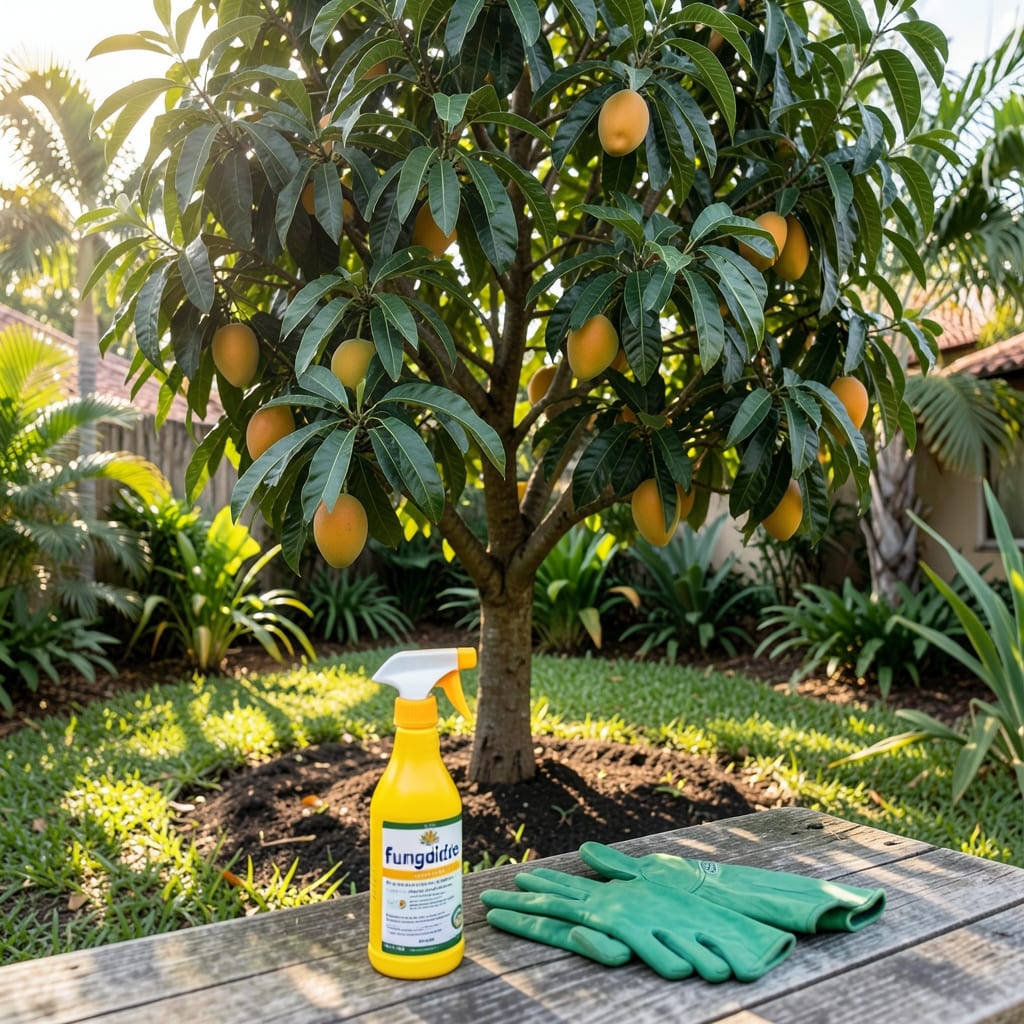
That first brown spot on your mango leaves is a warning sign. I learned the hard way that fungal diseases spread fast if left unchecked, turning healthy trees into struggling ones overnight.
Copper-based treatments work because they create a protective barrier without harming the fruit. The key is catching problems early—before they reach the fruit itself. My trees now stay productive through the entire growing season.
You’ll notice healthier foliage within 2-3 weeks of starting treatment, with fruit that ripens normally. The difference between treated and untreated trees is shocking by harvest time.
Works for backyard trees, small orchards, or even container-grown mangoes. Here’s how to keep them thriving.
Mango trees are susceptible to fungal infections due to a combination of environmental, biological, and cultural factors. Understanding these causes helps in selecting the right fungicide and preventive measures.
Fungi thrive in wet conditions. Heavy rainfall, overhead irrigation, or poor soil drainage creates a humid microclimate around the tree. Prolonged leaf wetness (over 6-8 hours) allows fungal spores like Colletotrichum gloeosporioides (anthracnose) to germinate and infect tissues. Low-lying areas or clay soils exacerbate this by retaining water at the roots.
Mango fungi, such as powdery mildew (Oidium mangiferae), proliferate in warm (75–85°F), humid environments. Sudden temperature drops or high nighttime humidity can stress the tree, weakening its natural defenses. These conditions also slow leaf drying, giving pathogens more time to establish.
Dense canopies or overcrowded plantings restrict airflow, trapping moisture and increasing fungal spore concentration. Pruning is critical—open canopies reduce humidity and allow sunlight to penetrate, inhibiting spore survival.
Fungal spores overwinter in fallen leaves, fruit, and bark. Without proper sanitation, these debris become inoculation sources during the next growing season. For example, Botryodiplodia theobromae (stem-end rot) spreads via infected pruning tools or residual plant matter.
Overuse of nitrogen fertilizers promotes lush, soft growth that’s more vulnerable to fungal entry. Conversely, potassium and phosphorus deficiencies weaken cellular structures, reducing the tree’s ability to resist pathogens like Phomopsis.
Fungal infections in mango trees can be managed effectively with the right approach. Below are targeted solutions for common fungal issues, paired with prevention tips to keep your tree thriving. Act early to minimize damage and ensure a healthy harvest.
Pro Tip: Always follow label instructions for fungicide application rates and safety. Rotate fungicides to prevent resistance, and prioritize preventative spraying before the rainy season begins!
Apply copper-based fungicide every 7-10 days during wet seasons or at first signs of infection. For prevention, spray every 2-3 weeks during the growing season. Consistency is key to stopping spores before they spread.
Yes! Neem oil or baking soda solutions work well for mild cases. Mix 1 tablespoon baking soda with 1 teaspoon dish soap per gallon of water. Apply weekly, but switch to copper for severe outbreaks.
Early morning or late evening is ideal. This avoids leaf burn from sun exposure and allows the fungicide to dry properly. Never spray in direct sunlight or when rain is expected within 24 hours.