
Beautiful Plants For Your Interior
Beautiful Plants For Your Interior
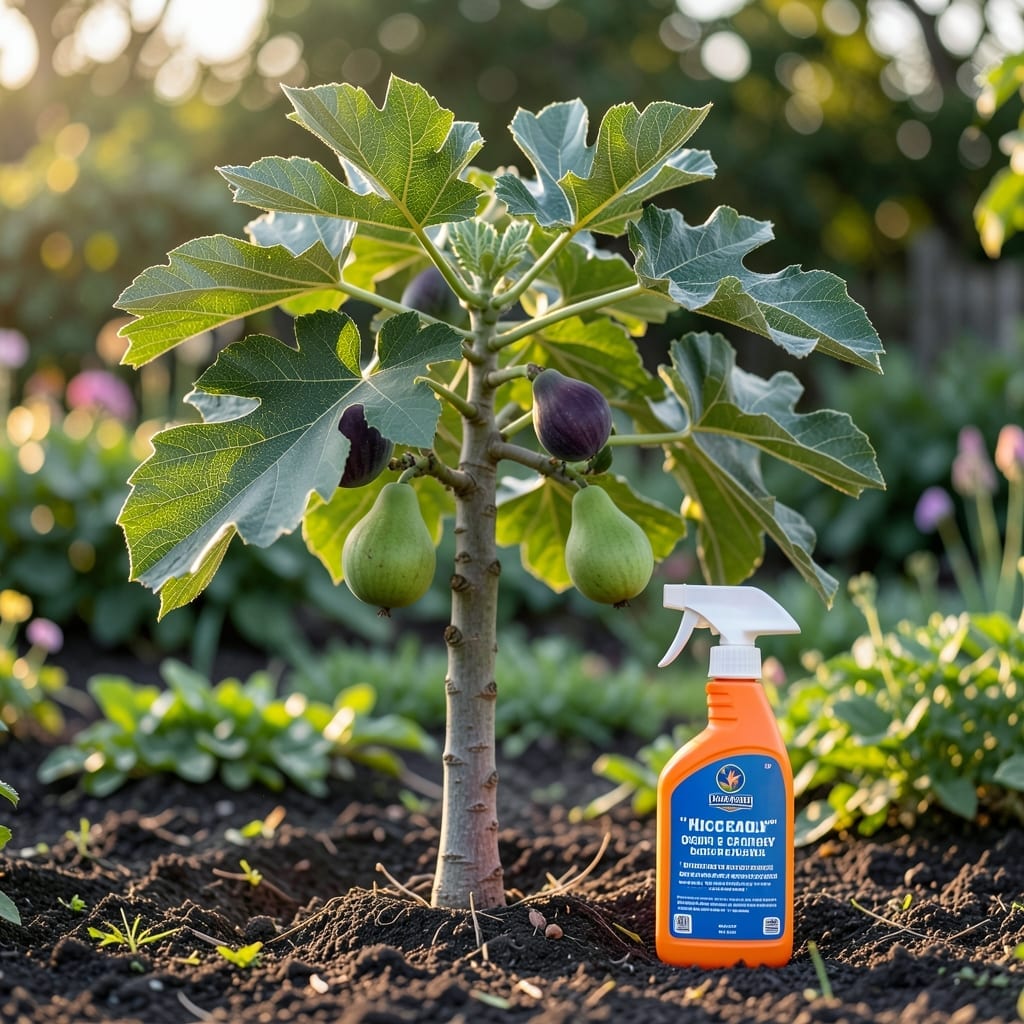
Fig tree leaves covered in dark spots last summer broke my heart. 🌱 I thought I was doomed to lose the tree until I discovered copper-based protection works like a shield against leaf spot.
The solution isn’t complicated—just consistent. Copper fungicides prevent spores from taking hold, while organic options like neem oil offer gentler protection. Both stop the spread when applied before the first rain of the season.
You’ll see healthier foliage within 2-3 weeks of treatment, and your figs will focus energy on fruit instead of fighting disease. The key is starting early, before the problem gets out of hand.
Works for young trees and established ones alike. Here’s how to keep them thriving.
Fungal diseases in fig trees, like leaf spot or rust, thrive under specific environmental and biological conditions. Understanding these triggers helps you preemptively protect your trees. Below are the primary causes:
Fungi spores spread and germinate in wet, humid conditions. Overhead watering, poor drainage, or prolonged rain creates the perfect breeding ground. Fig trees with dense canopies trap moisture, accelerating fungal growth. Action: Water at the base, improve airflow, and prune overcrowded branches.
Stagnant air keeps foliage damp for extended periods. This is common in tightly planted orchards or trees surrounded by dense vegetation. Action: Space trees properly (10–15 feet apart) and prune to open the canopy.
Warm days (70–85°F) followed by cool, dewy nights create ideal conditions for fungal spores to activate. Spring and fall are high-risk seasons. Action: Monitor weather forecasts and apply preventative fungicides like copper before outbreaks.
Fungal spores overwinter in fallen leaves, fruit, or bark. If not removed, they reinfect the tree in the next growing season. Action: Rake and destroy (do not compost) infected debris; sanitize pruning tools with rubbing alcohol.
Stressed trees—due to drought, nutrient deficiencies, or pest damage—are more susceptible to fungal invasions. Action: Maintain soil fertility, ensure consistent watering, and treat pests promptly to bolster natural defenses.
Fig trees are tough, but fungal issues like leaf spot can weaken them. Here’s how to tackle common problems with targeted fixes and prevention tips.
Mix a copper-based fungicide (like Bordeaux mixture) with water as directed on the label. Spray evenly on both sides of leaves, focusing on infected areas. Apply early in the morning or late afternoon to avoid leaf burn. Reapply every 7–10 days during wet seasons or until symptoms fade.
If roots are soggy or blackened, cut back on watering and amend soil with compost or sand. For severe cases, use a systemic fungicide drench (e.g., thiophanate-methyl) at the base. Water lightly afterward.
At the first sign of white powdery patches, spray with neem oil (1 tbsp per gallon of water) or sulfur-based fungicide. Cover all leaf surfaces, and repeat weekly until the issue resolves.
Check leaves and stems weekly for early signs of trouble. Remove and destroy infected parts immediately to stop spread. Disinfect pruning tools with rubbing alcohol between cuts.
Apply copper-based fungicides every 7-10 days during wet seasons. For organic options like neem oil, use weekly until symptoms disappear. Always follow product label instructions for best results.
Yes! A baking soda solution (1 tbsp per gallon of water) can help prevent fungal growth. However, for active infections, commercial fungicides are more effective.
Spray in the early morning or late afternoon to avoid leaf burn. Avoid applying during hot midday sun or when rain is forecast within 24 hours.
If rain occurs within 6 hours of spraying, reapply once the weather clears. Copper-based products need time to bond with the foliage.