
Beautiful Plants For Your Interior
Beautiful Plants For Your Interior
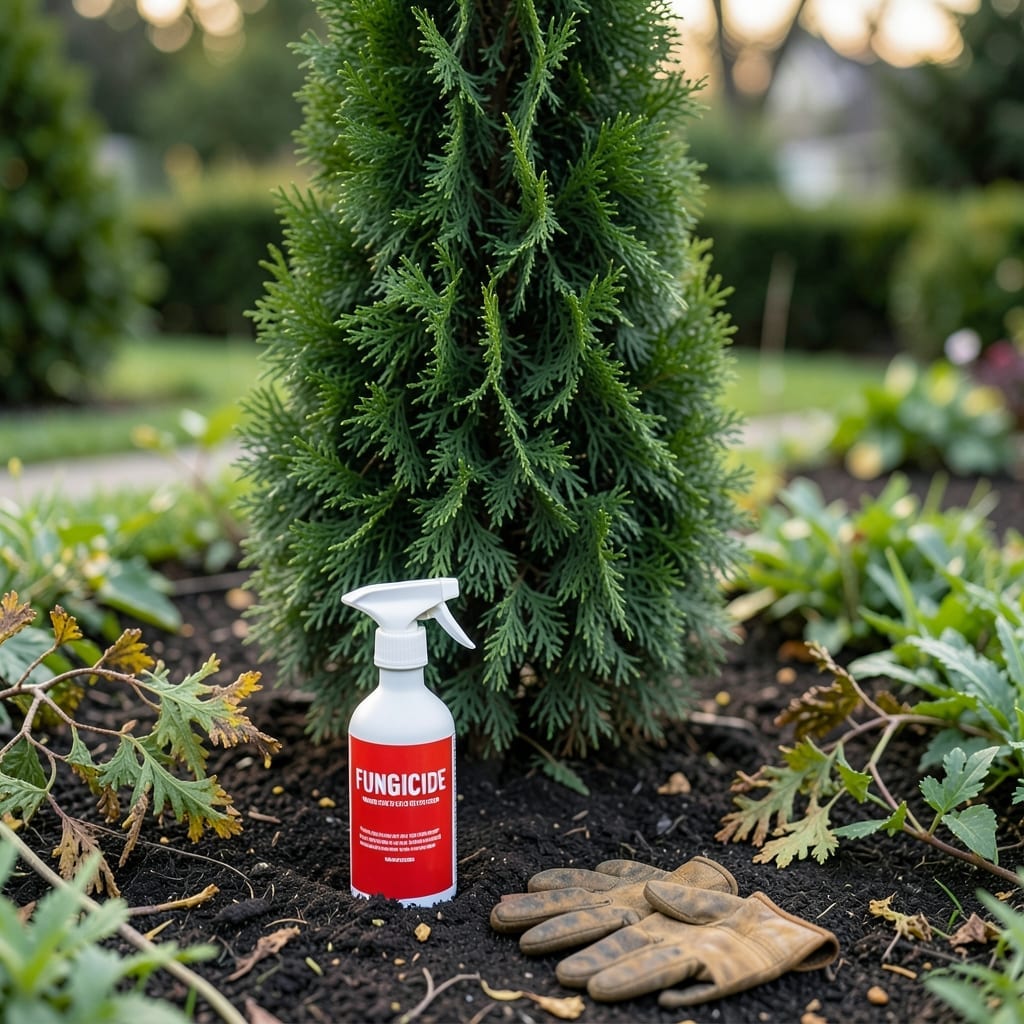
Cypress trees should be the low-maintenance backbone of your landscape. I learned this the hard way when brown needles and dying branches appeared overnight on my mature specimens.
Fungal diseases like canker and root rot thrive in wet conditions, but they’re preventable with the right approach. I keep detailed notes now, and the pattern is clear: early action saves trees.
Organic copper fungicides and neem oil work surprisingly well when applied at the first sign of trouble. The key is consistent coverage, especially after rainy spells.
Prevention beats treatment every time. Proper spacing, good drainage, and removing fallen debris go further than any spray ever could.
Fungal diseases in cypress trees often stem from environmental and biological factors that create ideal conditions for pathogens to thrive. Understanding these causes helps in targeted prevention and treatment. Below are the primary reasons why cypress trees fall victim to fungal attacks:
Cypress trees in waterlogged or poorly drained soils are highly susceptible to fungi like Phytophthora and Botryosphaeria. Overwatering, heavy rainfall, or high humidity creates a damp environment where fungal spores germinate and infect the roots, bark, or foliage. Actionable fix: Improve drainage with organic mulch or amend soil with sand or compost.
Fluctuating temperatures, especially prolonged heat stress or unseasonal cold snaps, weaken a cypress tree’s natural defenses. Stress reduces the tree’s ability to resist opportunistic fungi such as Seiridium canker. Actionable fix: Provide shade cloth during heatwaves and protect young trees with frost covers in winter.
Dense plantings or overcrowded branches limit airflow, trapping moisture around the tree. This stagnant, humid microclimate encourages the growth of Corynespora and other leaf-spotting fungi. Actionable fix: Prune regularly to open the canopy and space trees at least 10–15 feet apart.
Injuries from boring insects (e.g., cypress bark beetles) or mechanical wounds create entry points for fungal spores. Once inside, pathogens like Ophiostoma spread through the vascular system, leading to wilt or dieback. Actionable fix: Monitor for pests and apply horticultural oil or insecticidal soap as needed.
Weak or malnourished cypress trees lack the vigor to fend off infections. Nitrogen or potassium deficiencies, in particular, compromise cellular integrity, making the tree more vulnerable to root rot and needle blight. Actionable fix: Conduct a soil test and amend with a balanced, slow-release fertilizer.
Dealing with fungal problems on your cypress trees starts with identifying the cause and applying the right fix. Below are targeted solutions for common issues, along with tips to keep your trees healthy long-term.
Prune infected branches immediately using sterilized shears to prevent the fungus from spreading. Cut at least 6 inches below the visible canker. Apply a copper-based fungicide to the wounds and surrounding areas. For severe cases, remove the entire tree to protect nearby cypresses.
Prevention: Avoid overhead watering and improve air circulation by spacing trees properly. Sterilize pruning tools between cuts with rubbing alcohol.
Remove and destroy infected needles and branches. Treat the tree with a systemic fungicide containing propiconazole or thiophanate-methyl. Apply in early spring and repeat every 4-6 weeks during wet seasons.
Prevention: Water at the base of the tree to keep foliage dry. Thin out dense growth to enhance airflow.
Improve drainage by amending the soil with organic matter like compost. Avoid overwatering—cypress trees prefer moist but well-drained soil. For existing infections, use a fungicide with mefenoxam or fosetyl-Al. Severely affected trees may need removal.
Prevention: Plant cypress in raised beds if your soil is heavy or clay-based. Monitor soil moisture with a moisture meter.
Apply every 4-6 weeks during wet seasons or after heavy rainfall. For prevention, start in early spring and continue through fall. Always follow the product label instructions for best results.
Yes! Copper-based sprays and neem oil work well for mild infections. They’re safer for beneficial insects and the environment but may require more frequent applications than synthetic options.
Waterlogged soil creates perfect conditions for root rot. Ensure good drainage and water only when the top 1-2 inches of soil are dry to prevent fungal growth.
Apply in the early morning or late afternoon to avoid leaf burn. This allows the solution to dry before peak sun exposure, maximizing effectiveness and minimizing plant stress.