
Beautiful Plants For Your Interior
Beautiful Plants For Your Interior
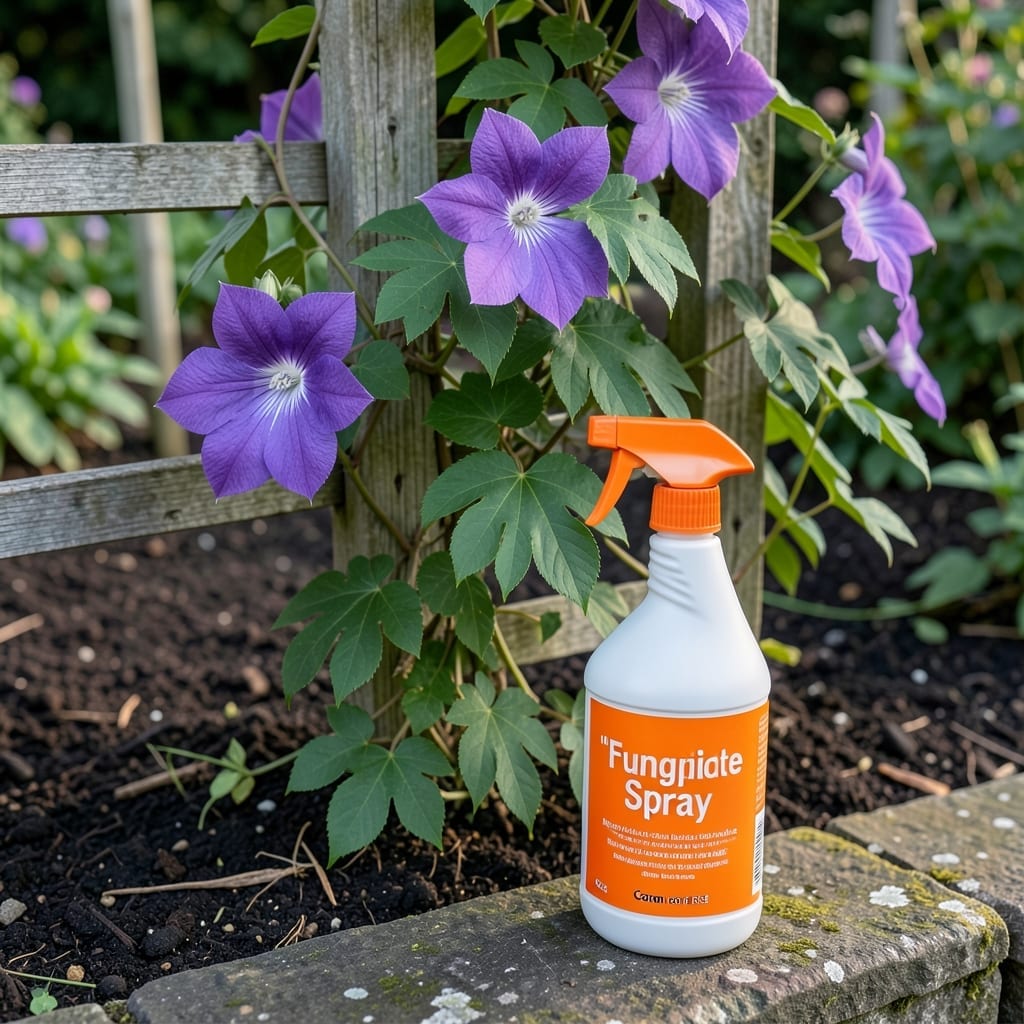
Clematis vines can go from thriving to struggling overnight with fungal issues. I’ve watched healthy plants wilt under the pressure of powdery mildew or leaf spot, and it’s frustrating when you don’t know how to respond.
Identifying the problem early is half the battle. Yellowing leaves, black spots, or a white powdery coating are red flags. The right organic treatment can stop the spread and restore your plant’s vitality without harsh chemicals.
Prevention is simpler than you think. Proper spacing, good airflow, and a consistent watering routine keep most fungal problems at bay. A little attention now saves you a headache later.
With the right approach, your clematis will bounce back, producing those stunning blooms you planted it for. Here’s how to keep them healthy and thriving.
Clematis vines are beloved for their vibrant blooms, but they’re also highly susceptible to fungal diseases like Ascochyta clematidina (clematis wilt), powdery mildew, and leaf spot. Understanding the root causes helps you prevent and treat them effectively. Below are the primary triggers for fungal infections in clematis.
Fungi thrive in damp, stagnant environments. Overwatering, poor soil drainage, or frequent overhead watering (especially in the evening) create ideal conditions for spores to germinate. Clematis roots prefer cool, moist soil, but soggy conditions or high humidity around the foliage accelerate fungal growth. Ensure your vines have well-draining soil and water at the base to keep leaves dry.
Dense plantings or crowded trellises restrict airflow, trapping moisture on leaves and stems. Fungal spores, like those of powdery mildew (Erysiphe polyphaga), spread rapidly in still, humid air. Prune regularly to open the canopy, and space clematis plants at least 3–4 feet apart to improve ventilation.
Fungal pathogens often overwinter in fallen leaves, dead stems, or contaminated garden tools. If last season’s debris isn’t cleared, spores can reactivate in spring, infecting new growth. Remove and destroy (do not compost) any diseased plant material, and sterilize pruning shears with rubbing alcohol between cuts to prevent cross-contamination.
Clematis are sensitive to stress, and sudden temperature swings or nutrient deficiencies (e.g., low potassium) weaken their natural defenses. Heat stress can also trigger powdery mildew, while cold, wet springs favor clematis wilt. Mulch the base to regulate soil temperature, and apply a balanced fertilizer to bolster plant health.
Keeping your clematis thriving starts with tackling fungal issues head-on. Below are targeted solutions for common fungal problems, paired with prevention tips to keep your vines healthy long-term.
Fix: Spray affected leaves with a baking soda solution (1 tbsp baking soda + 1 tsp liquid soap + 1 gallon water) or neem oil (mix per label instructions). Reapply every 7–10 days until symptoms fade.
Prevention: Improve airflow by spacing plants 3–4 feet apart. Water at the base early in the day to allow foliage to dry quickly. ✨
Fix: Remove and destroy infected leaves to stop the spread. Apply a copper-based fungicide or sulfur spray weekly during wet seasons. For organic control, use compost tea as a preventive spray.
Prevention: Avoid overhead watering. Mulch with straw to reduce soil splashing onto leaves. 💡
Fix: Stop watering immediately and let the soil dry out. Trim blackened, mushy roots and repot in fresh, well-draining soil. Use a biofungicide like Bacillus subtilis to restore root health.
Prevention: Plant clematis in raised beds or containers with drainage holes. Amend heavy soil with perlite or sand. 🌡️
Fix: Apply a broad-spectrum fungicide (e.g., potassium bicarbonate) at the first sign of trouble. Rotate fungicides to prevent resistance.
Prevention: Clean up fallen debris regularly. Sterilize pruning tools with rubbing alcohol between cuts. 🎯
Reapply organic sprays like neem oil or baking soda every 7-10 days during active infection. For prevention, monthly applications work well during growing season.
Yes! A mix of 1 tbsp baking soda + 1 tsp soap + 1 gallon water effectively treats powdery mildew. Always test on a small area first.
Apply treatments early morning when leaves are dry. Avoid midday sun or evening when moisture lingers. This prevents leaf burn and maximizes effectiveness.
Reinfection often comes from contaminated tools or old debris. Sterilize pruners with alcohol and remove all fallen leaves. Improve airflow by spacing plants 3-4 feet apart.