
Beautiful Plants For Your Interior
Beautiful Plants For Your Interior
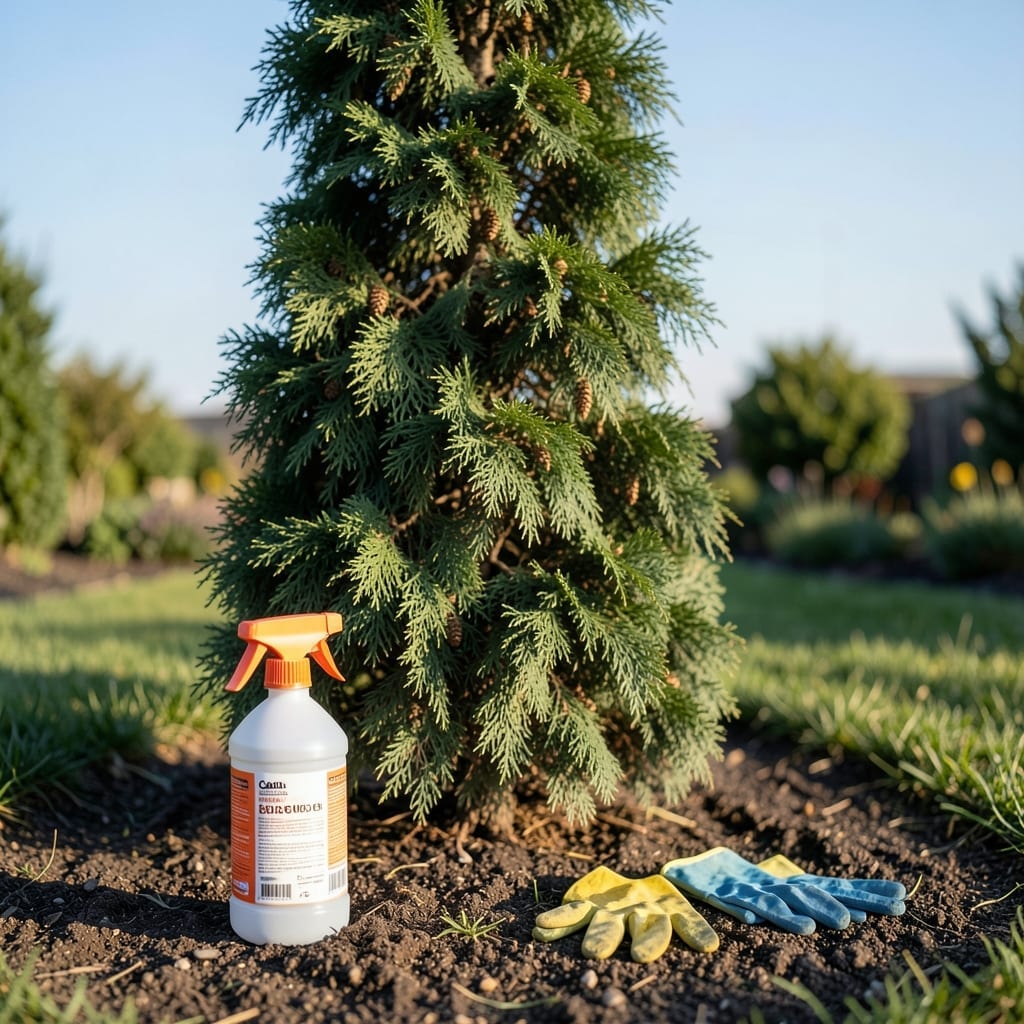
Cedar trees dying back? I’ve been there—brown needles and blackened branches where vibrant green used to be. Fungal diseases sneak in quietly, often through poor air circulation or wet foliage.
Here’s the thing—you don’t need harsh chemicals to fight back. Organic fungicides work just as well when applied at the right time. I’ve saved dozens of cedars with copper-based sprays and neem oil, catching problems early.
You’ll see new growth returning within 4-6 weeks of treatment. The key is consistency: reapply after rain and watch for early signs like yellowing needles or small lesions.
Prevention beats cure every time. Space trees properly, water at the base, and clean up fallen debris. Simple habits keep cedars thriving for decades.
Cedar trees are hardy, but they’re not invincible. Fungal infections often take hold due to a mix of environmental stress, poor cultural practices, and susceptible tree health. Understanding the root causes helps you prevent—and treat—them effectively.
Fungi thrive in wet conditions. Overwatering, poor soil drainage, or prolonged rain can create a damp environment where spores germinate and spread. Cedar trees in low-lying areas or compacted soil are especially vulnerable. Solution: Ensure proper drainage and avoid overhead irrigation to keep foliage dry.
Dense plantings or overcrowded landscapes restrict airflow, trapping moisture around cedar needles and branches. This stagnant air promotes fungal growth, like Phomopsis or Kabatina blight. Solution: Prune nearby vegetation and space trees appropriately to improve ventilation.
Drought, extreme heat, or cold snaps weaken cedar trees, making them more susceptible to opportunistic fungi. Stress reduces the tree’s ability to produce defensive compounds. Solution: Mulch to retain soil moisture and protect roots from temperature extremes.
Improper pruning (e.g., using unsterilized tools) or wounding the tree can introduce fungal spores directly into the tissue. Additionally, excessive nitrogen fertilization can promote lush, tender growth that fungi love to attack. Solution: Sterilize pruning tools with rubbing alcohol and follow balanced fertilization practices.
Keeping your cedar trees healthy starts with addressing fungal issues promptly. Below are targeted solutions for common fungal problems, along with prevention tips to keep your trees thriving.
Fix: Apply a copper-based fungicide or neem oil at the first sign of discoloration. Spray thoroughly, covering all affected branches and needles. Repeat every 2-3 weeks until the issue resolves.
Prevention: Prune infected branches in dry weather to prevent spores from spreading. Improve airflow by spacing trees properly.
Fix: Remove infected bark and wood with sterilized pruning tools. Treat the wound with a bordeaux mixture or commercial fungicide to prevent reinfection.
Prevention: Avoid wounding the tree during landscaping. Keep the area around the trunk free of debris where fungi can thrive.
Fix: Reduce watering frequency and improve drainage by amending the soil with sand or organic matter. Apply a systemic fungicide to the root zone to combat existing fungi.
Prevention: Plant cedars in well-draining soil and avoid overwatering. Use mulch to retain moisture without waterlogging.
Pro Tip 💡: Always apply fungicides in the early morning or late evening to avoid leaf burn. Follow the product’s instructions for dosage and frequency to ensure effectiveness without harming the tree.
Apply every 2-3 weeks during active growth or wet seasons. Reapply after heavy rain. Consistency prevents spores from taking hold.
Yes! A baking soda solution (1 tbsp per gallon of water) or neem oil works for mild cases. Test on a small area first to check for sensitivity.
Early morning or late evening avoids leaf burn. Spray when temperatures are below 85°F and winds are calm for even coverage.
Copper-based options are generally safe but can affect sensitive plants. Cover or avoid spraying non-target vegetation. Always follow label instructions.