
Beautiful Plants For Your Interior
Beautiful Plants For Your Interior
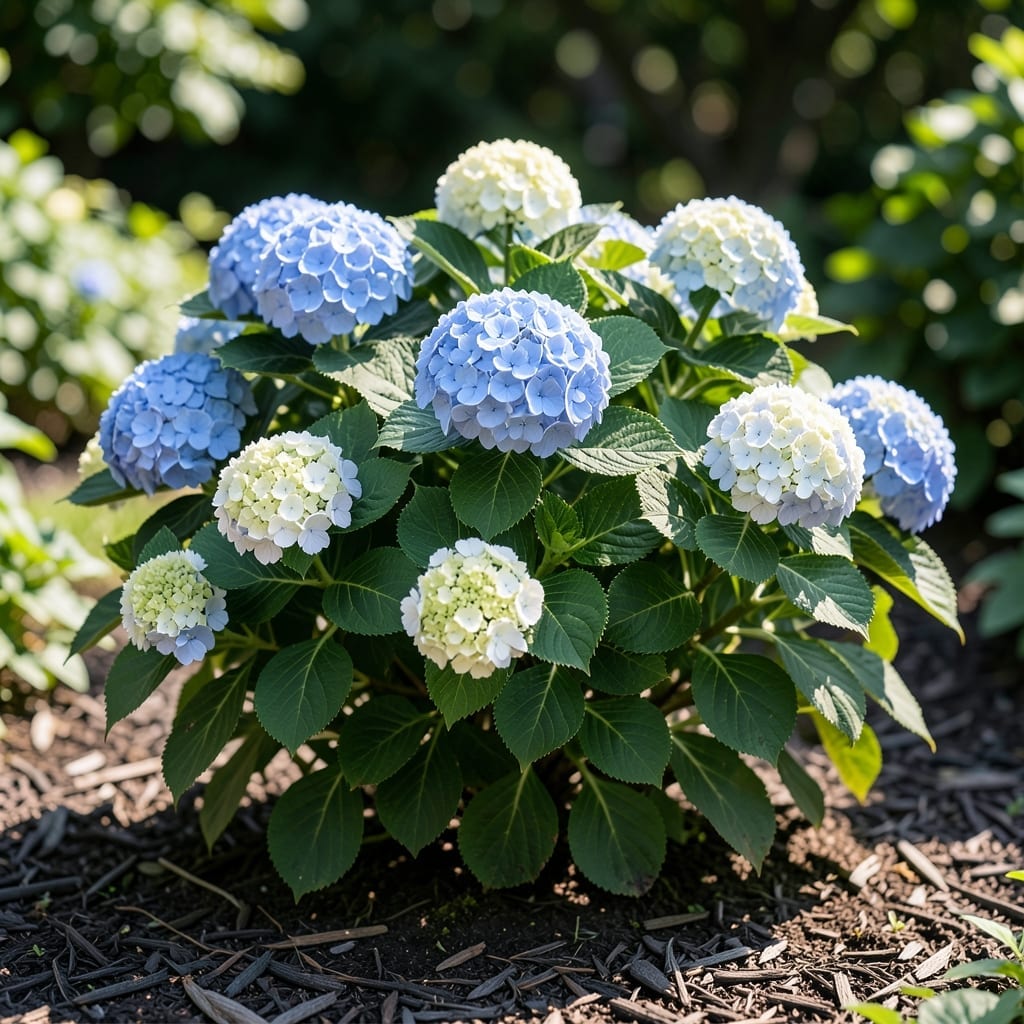
There’s something magical about watching a 🌸 Hydrangea transform from a small sapling into a flourishing centerpiece in your garden. Its lush blooms can turn any outdoor space into a vibrant oasis.
But here’s what most gardeners overlook: understanding the mature size of your Hydrangea is crucial before planting. Some varieties can reach up to 8 feet tall, while others stay compact.
I’ve seen too many gardeners plant without considering space needs, leading to overcrowding or stunted growth. Proper planning prevents these common mistakes.
Discover how to give your Hydrangea the room it needs to thrive, along with care tips that ensure those stunning blooms year after year. Let’s get started.
When I think about full grown hydrangea bushes, the first thing that comes to mind is their stunning range of sizes. Not all hydrangeas are created equal, and their mature dimensions can vary dramatically based on the specific variety you choose to plant.
For example, bigleaf hydrangeas typically reach 3 to 6 feet tall with a similar spread, while panicle hydrangeas can tower up to 8 feet or more. Knowing these differences helps me plan my garden layout more effectively.
| Variety | Height | Spread |
|---|---|---|
| Bigleaf | 3-6 ft | 3-6 ft |
| Panicle | 6-8 ft | 4-6 ft |
| Oakleaf | 4-6 ft | 4-6 ft |
| Smooth | 3-5 ft | 3-5 ft |
| Climbing | 30-80 ft | 5-8 ft |
I’ve found that oakleaf hydrangeas are perfect for smaller gardens, as they stay compact at 4 to 6 feet in both height and width. Their distinctive leaves and stunning fall colors make them a favorite of mine for adding year-round interest.
On the other hand, climbing hydrangeas can reach 30 to 80 feet when given proper support. I love using these to cover fences or trellises, creating a lush, vertical garden feature that draws the eye upward.
For those with limited space, dwarf varieties like the ‘Little Lime‘ panicle hydrangea stay under 3 to 5 feet. These are ideal for containers or small garden beds where a full-sized bush would overwhelm the area.
The smooth hydrangea, also known as Annabelle, typically grows 3 to 5 feet tall and wide. I appreciate its large, round flower heads and ability to thrive in a variety of soil conditions.
When planning your garden, I recommend checking the mature size of your chosen hydrangea variety. This helps avoid overcrowding and ensures each plant has enough space to reach its full potential without competing for resources.
In my experience, giving hydrangeas room to grow results in healthier plants and more abundant blooms. Proper spacing also improves air circulation, which can help prevent common issues like powdery mildew.
Remember that these sizes are general guidelines. Factors like soil quality, sunlight exposure, and watering practices can all influence how large your hydrangea ultimately grows. 🌸
Once your hydrangea bush reaches maturity, proper care ensures vibrant blooms year after year. I’ve found that consistent watering and soil pH balance are the biggest factors in keeping these shrubs healthy and colorful.
For optimal growth, hydrangeas need 1-2 inches of water per week, especially during dry spells. Morning watering helps prevent fungal diseases while giving roots time to absorb moisture before the heat of the day.
I always recommend pruning at the right time to avoid cutting off next year’s blooms. For bigleaf hydrangeas, prune right after flowering, while panicle hydrangeas can be pruned in late winter.
Soil pH is a game-changer for color. I’ve seen blue hydrangeas turn pink when soil becomes more alkaline. A simple pH test kit from your local garden center can help you monitor this.
Don’t overlook mulching—it keeps roots cool and conserves water. I use 2-3 inches of organic mulch like bark or compost, keeping it a few inches away from the stem to prevent rot.
Finally, watch for pest issues like aphids or spider mites. A strong blast of water or neem oil spray usually keeps them in check without harsh chemicals.
With these care tips, your full grown hydrangea bush will thrive for years, adding beauty to your garden 🌸