
Beautiful Plants For Your Interior
Beautiful Plants For Your Interior
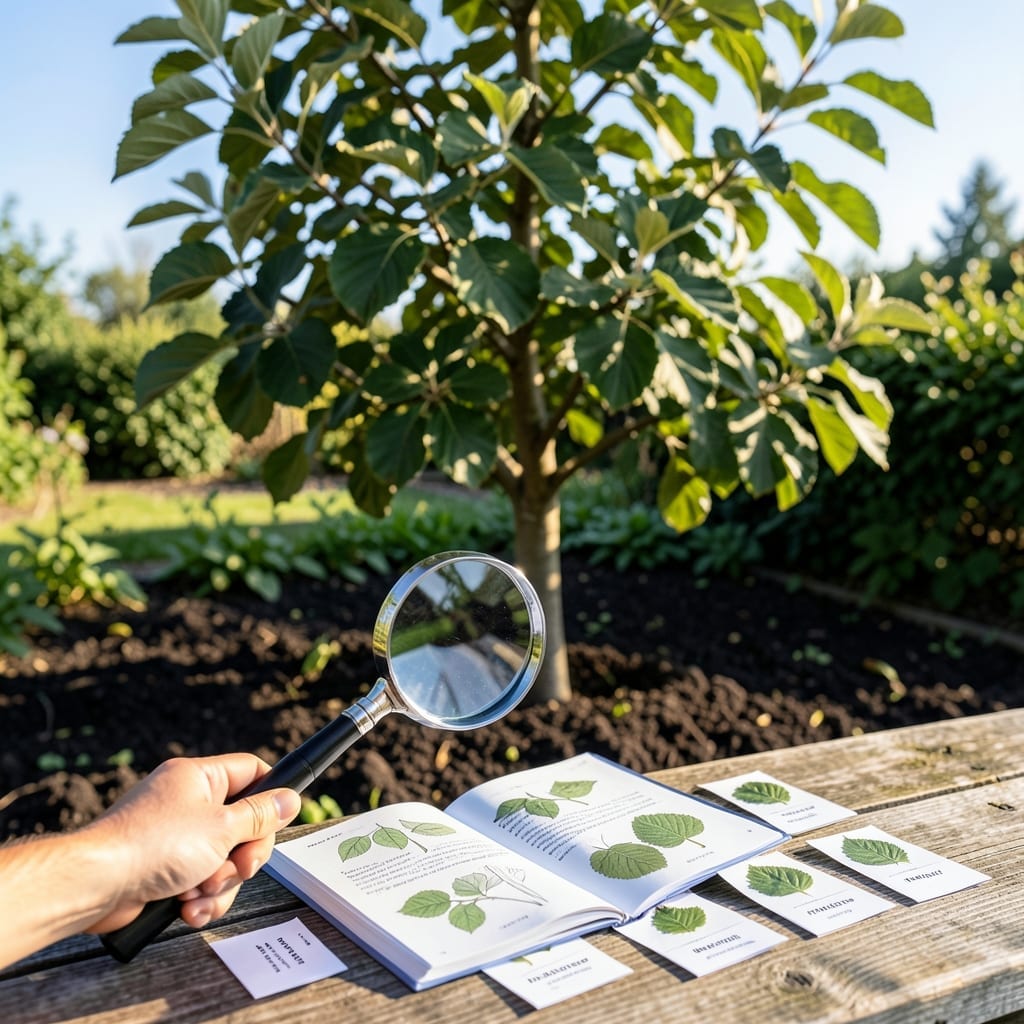
I spent years guessing which fruit trees I had until I learned to read the leaves. The shape, edges, and veins tell a story no label can.
Apple leaves are simple and oval with serrated edges, while peach leaves are longer with a pointed tip. Cherry leaves have a subtle fold along the vein. Each has its own fingerprint.
This method works for mature trees and young saplings alike. You’ll start recognizing patterns after just a few walks through your orchard or neighborhood.
No special tools needed—just observation and a little practice. The trees reveal themselves if you know what to look for.
Identifying fruit trees by their leaves can be tricky, but understanding why differences occur helps simplify the process. Here are the key factors that influence leaf characteristics:
Each fruit tree species has unique genetic coding that dictates leaf shape, size, and texture. For example, apple trees often have oval, serrated leaves, while citrus trees feature glossy, elliptical ones. These genetic traits are consistent within species, making them reliable for identification.
Leaves adapt to their environment, which can alter their appearance. Trees in sunny climates may develop thicker, waxier leaves to prevent water loss, while those in shaded areas might have larger, broader leaves to maximize light absorption. These adaptations can sometimes blur species-specific traits.
Leaves change with the seasons—new growth in spring may look different from mature summer foliage. Some trees, like peach trees, have distinct red-tinged leaves in spring that turn green later. Recognizing these seasonal shifts ensures accurate identification year-round.
Infestations or diseases can distort leaf shape, color, or texture. For instance, powdery mildew creates a white coating, while aphids cause curling. Healthy leaves are the best baseline for identification, so always check for signs of damage first.
Mastering fruit tree identification by leaf is all about sharp observation and smart tools. Here’s how to solve common challenges with practical fixes and prevention tips.
Fix: Compare leaf shape, edge, and vein patterns. Use a magnifying glass to spot subtle differences like serrated vs. smooth edges or alternate vs. opposite leaf arrangements. Apps like LeafSnap or PictureThis can instantly cross-reference your findings with a database.
Prevent confusion: Take photos of leaves from multiple angles and note unique traits (e.g., fuzzy undersides or distinctive veins) in a journal for future reference.
Fix: Learn key terms like lobed (e.g., oak), pinnate (feather-like, e.g., walnut), or simple (single blade, e.g., cherry). Use a printed leaf shape chart as a cheat sheet during fieldwork.
Prevent mistakes: Bookmark online glossaries or carry a pocket guide to brush up on terms before heading out.
Fix: Verify app suggestions by checking multiple sources. Cross-reference with a trusted book like The Tree Book or consult local arborists. Poor lighting or blurry photos often skew results—retake images in natural light with clear leaf details.
Prevent errors: Calibrate your camera settings for macro shots and ensure the leaf fills most of the frame.
💡 Pro Tip: Combine old-school methods (field guides) with modern tech for 90%+ accuracy. When in doubt, examine bark, fruit, and growth habits too—leaves are just one clue!
Start with simple vs. compound leaves. Simple have one blade (like cherry), while compound have multiple leaflets (like walnut). Also note edges—serrated, smooth, or lobed.
Seasonal changes, age, and light exposure cause variations. Young leaves may be red or tender, while mature ones are green and firm. Shaded leaves often grow larger than sun-exposed ones.
It’s possible but risky. Always check 3-5 leaves from different branches. Look for consistent patterns in shape, veins, and edges. A single damaged leaf can mislead you.
Focusing only on shape and ignoring vein patterns or leaf arrangement. Alternate vs. opposite branching is a critical clue many overlook. Always check how leaves attach to stems.