
Beautiful Plants For Your Interior
Beautiful Plants For Your Interior
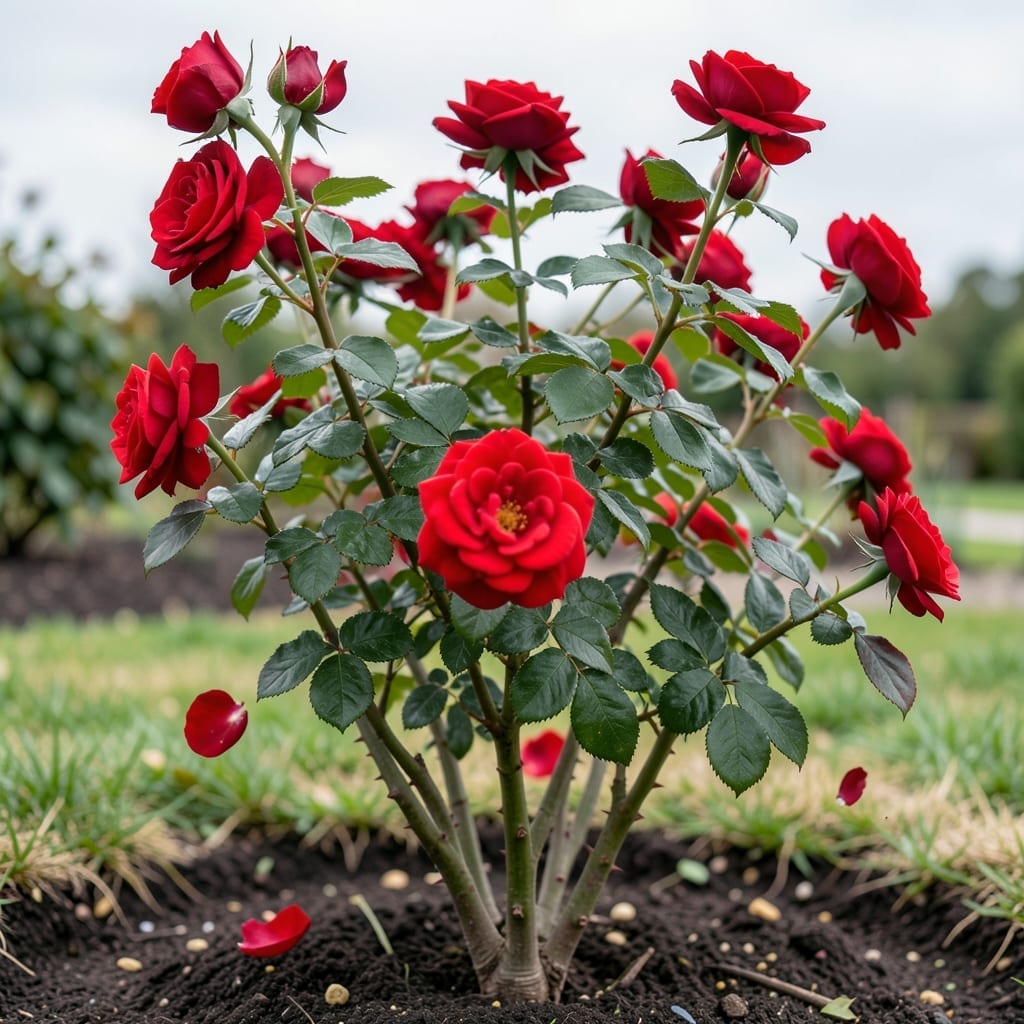
Watching petals drop feels like losing a piece of summer. I’ve stood there, coffee in hand, staring at my peonies shedding like confetti after a party. It’s heartbreaking—but fixable.
Sometimes it’s just nature’s timeline, but often it’s stress: too much sun, not enough water, or a sneaky pest. The good news? Most causes have simple fixes you can start today.
With a few adjustments, you’ll protect the blooms still clinging on and set the stage for next season’s show. I’ve brought plants back from the brink with 3 basic steps.
No green thumb required—just observation and a little quick action. Your garden can bounce back stronger.
Petals falling prematurely from flowers can be disheartening, but understanding the underlying causes helps you address the issue effectively. Several factors contribute to this phenomenon, each with its own scientific basis.
Extreme temperatures, whether too hot or too cold, disrupt a flower’s metabolic processes. Heat stress accelerates water loss, causing petals to wilt and drop. Conversely, cold snaps damage cell membranes, leading to tissue breakdown. Action: Move potted plants indoors or to shaded areas during temperature extremes.
Overwatering or underwatering both trigger petal drop. Too much water suffocates roots, reducing nutrient uptake, while drought stresses the plant, forcing it to shed non-essential parts like petals. Action: Check soil moisture with your finger—water only when the top inch feels dry.
A lack of key nutrients, especially phosphorus (critical for blooming), weakens petal structure. Yellowing or brittle petals often signal deficiencies. Action: Use a balanced, bloom-boosting fertilizer rich in phosphorus (e.g., 10-30-20 NPK ratio).
Insects like aphids or diseases such as powdery mildew damage plant tissues, diverting energy away from petal maintenance. Action: Inspect leaves and stems regularly; treat with neem oil or insecticidal soap at first signs of infestation.
Some flowers, like daylilies, are programmed to drop petals after a short bloom cycle. This is a normal part of their life cycle. Action: Deadhead spent blooms to encourage new growth but accept that some species have brief flowering periods.
When your blooms start dropping petals, quick and targeted action can save the rest of the plant and encourage future flowers. Here’s how to tackle the most common causes and prevent a repeat.
Check the soil: if it’s soggy, stop watering and move the plant to a shady, well-ventilated spot to dry out. For parched soil, give a deep watering until it drains from the bottom, then let the top inch dry before the next drink. Prevention: Use a pot with drainage holes and a moisture meter to keep watering just right.
If your plant is wilting in direct sun, move it to bright, indirect light and shield it during peak afternoon heat. For cold shock, bring it indoors or to a warmer area. Prevention: Research your flower’s ideal light and temperature range—most thrive in 65–75°F (18–24°C) with gentle morning sun.
Inspect leaves and stems for aphids, spider mites, or powdery mildew. Remove pests with a soapy water spray (1 tsp mild soap per quart of water) or neem oil. For fungal issues, prune infected parts and improve airflow. Prevention: Keep foliage dry when watering and use companion planting (like marigolds) to deter pests naturally.
A balanced, water-soluble fertilizer (10-10-10 or 20-20-20) can replenish missing nutrients. Apply every 2–4 weeks during growing season, but dilute to half strength to avoid burning roots. Prevention: Refresh soil annually with compost and rotate fertilizers to maintain nutrient diversity.
💡 Pro Tip: Deadhead spent blooms regularly to redirect energy into new growth and prevent premature petal drop.
No, some flowers naturally shed petals as part of their life cycle. Daylilies, for example, only bloom for a day before dropping. Check if other blooms are healthy before assuming there’s a problem.
Underwatered plants have dry, crispy petals and soil. Overwatered ones show yellowing leaves and soggy soil. Stick your finger 1 inch into the soil to check moisture.
Yes! Deadheading spent or damaged blooms redirects energy to healthy growth. Use clean shears and cut just above a leaf node. This often encourages more blooms.