
Beautiful Plants For Your Interior
Beautiful Plants For Your Interior
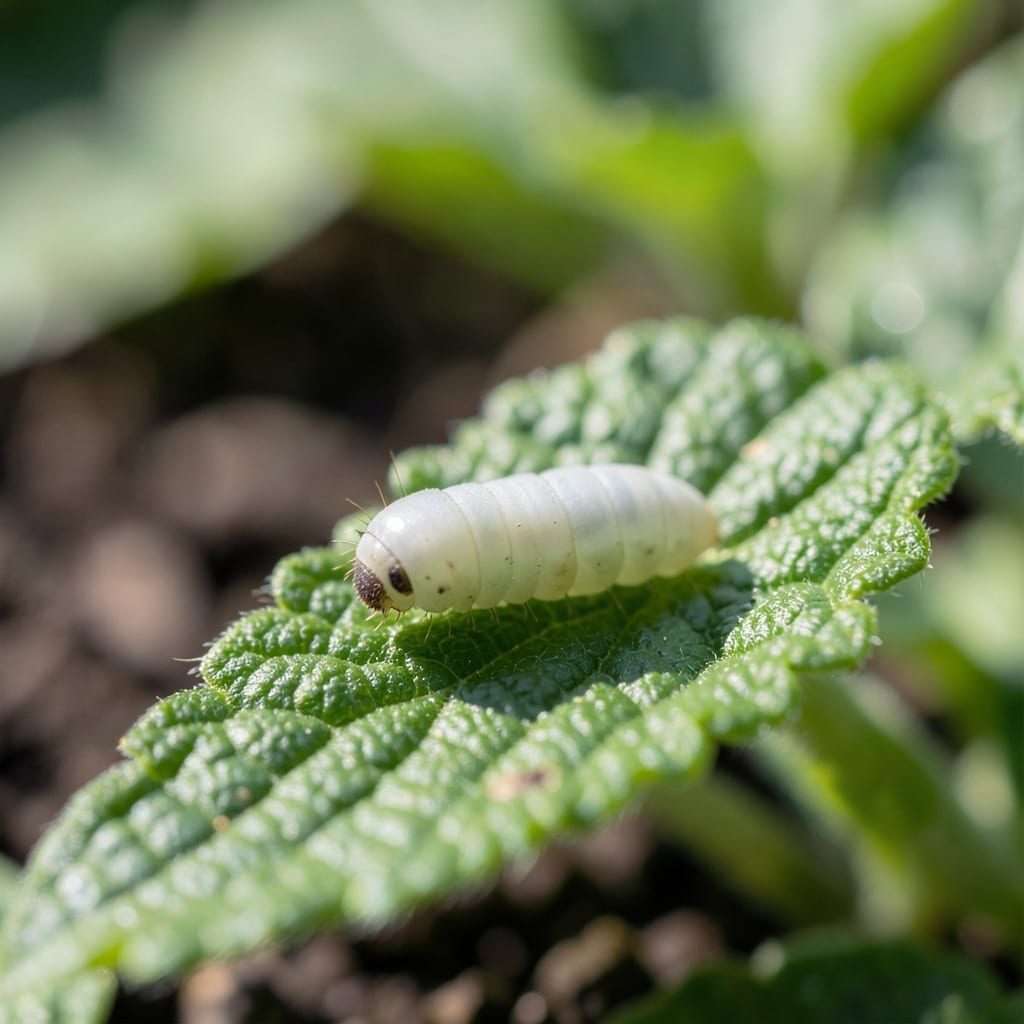
I spotted my first flower fly larvae last spring, and my garden hasn’t been the same since. These tiny predators work around the clock, devouring aphids and other soft-bodied pests without harming your plants.
Here’s the thing—they’re not just effective, they’re free. No sprays, no traps, just nature doing its thing. A single larva can consume hundreds of pests before pupating, and they’re especially active in warm, humid conditions.
Attracting them is simple: plant nectar-rich flowers like daisies or alyssum. They’ll show up, lay eggs, and their larvae will get to work. The only downside? They’re not picky—they’ll eat beneficial insects too if pests run low.
For a balanced garden, they’re worth the trade-off. Just give them space to thrive.
Flower fly larvae, also known as syrphid larvae, appear in gardens for specific ecological reasons. Their presence is a natural response to environmental conditions and food availability. Below are the primary causes behind their emergence.
One of the most common triggers is an infestation of aphids. Flower fly larvae are voracious predators of these soft-bodied pests. When aphid populations surge—often due to warm weather or over-fertilization—flower flies lay eggs nearby, ensuring their larvae have a ready food source upon hatching. Gardens with high aphid activity are prime locations for these beneficial larvae.
Adult flower flies are attracted to nectar-producing plants, which they feed on for energy. When gardens are abundant in blooming flowers like daisies, marigolds, or alyssum, adult flies are drawn in. This leads to increased egg-laying in the vicinity, as females seek areas where their offspring can thrive on both pollen and pest prey.
Flower fly larvae flourish in moderate temperatures (60–80°F) and humid conditions. These factors accelerate their development from egg to larva. Overly dry or extremely hot climates may deter their activity, while consistent moisture (e.g., from regular watering or mulching) creates a suitable habitat for both the larvae and their prey.
Gardens that avoid broad-spectrum pesticides tend to have healthier populations of flower fly larvae. Chemicals can kill these beneficial insects alongside pests, disrupting their life cycle. Organic gardening practices, such as companion planting and natural pest control, encourage their presence by preserving the ecosystem they rely on.
If flower fly larvae are causing issues in your garden, these targeted solutions will help you restore balance without harming beneficial insects. Here’s how to address common concerns:
If larvae are overwhelming container gardens, reduce moisture by letting the top inch of soil dry between waterings. Flower fly larvae thrive in damp conditions, so adjusting your watering schedule can naturally curb their numbers. Prevention tip: Use well-draining soil mixes to avoid waterlogging.
Young plants are vulnerable to larvae feeding on roots. Create a barrier by placing a thin layer of sand or diatomaceous earth around seedlings. This deters larvae without chemical interventions. Prevention tip: Start seeds indoors or in protected nurseries until they’re sturdy enough to withstand minor pest activity.
Flower fly larvae often appear in compost piles, where they help break down organic matter. If their presence is bothersome, turn the compost regularly to expose larvae to predators like birds. Prevention tip: Balance green and brown materials in your compost to discourage excessive larvae buildup.
With these steps, you can manage flower fly larvae while keeping your garden ecosystem thriving. 💡 Pro tip: Remember, these larvae are also beneficial predators of aphids and other pests—so intervention is only needed if they become a true nuisance!
They’re small, legless, and taper toward the head, resembling tiny green or brown maggots. Their slender bodies help them move through dense plant foliage to hunt pests.
Each larva can eat hundreds of aphids during its development. They also target other soft-bodied pests like thrips, mites, and small caterpillars without harming plants.
No, they’re harmless to plants and focus solely on pest control. However, if pest populations are low, they may eat beneficial insects too.
Plant nectar-rich flowers like daisies or alyssum to draw adult flies. Avoid pesticides, as these can kill both pests and their natural predators.