
Beautiful Plants For Your Interior
Beautiful Plants For Your Interior
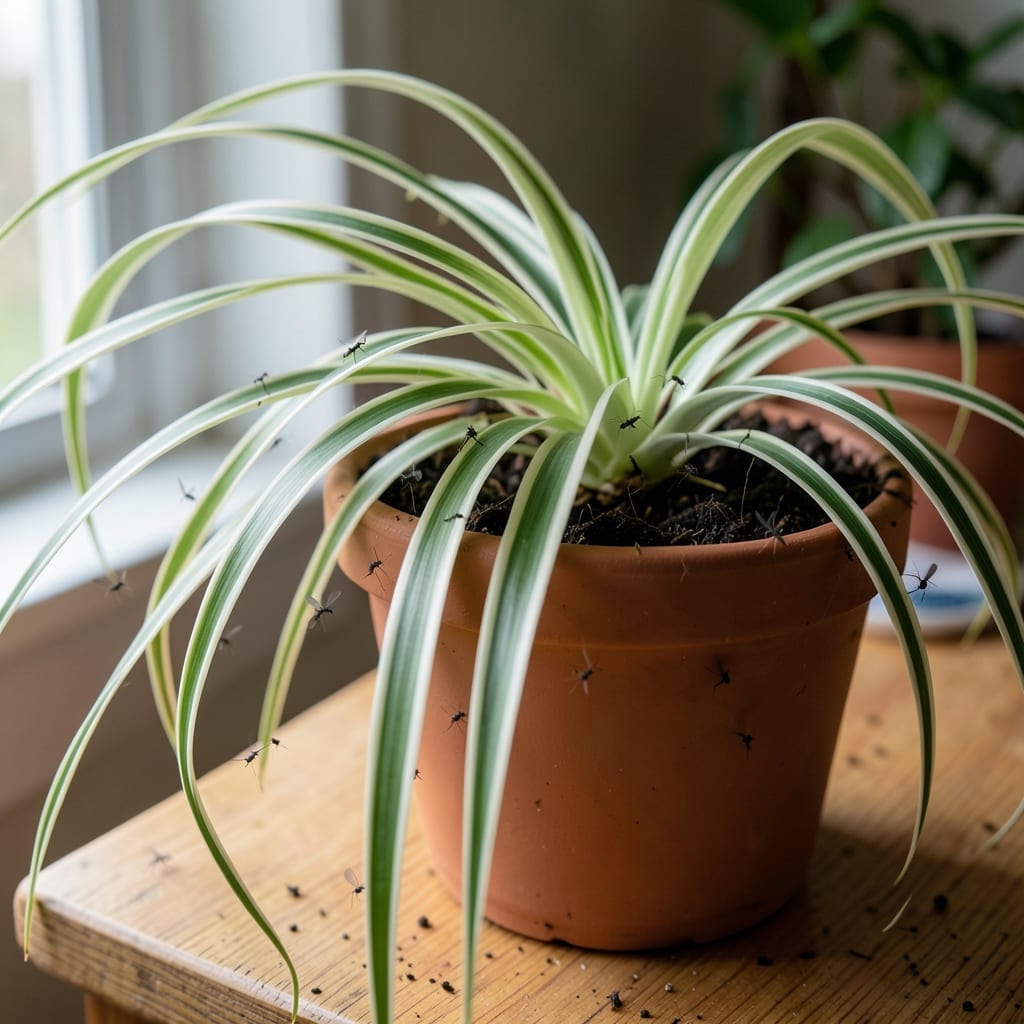
Tiny black flies hovering around your houseplants are more than annoying—they’re a sign of trouble below the soil. I’ve battled fungus gnats in every indoor garden I’ve kept, and the solution is simpler than you think.
These pests thrive in damp soil, laying eggs that hatch into root-munching larvae. The good news? A few eco-friendly traps and habit changes can break their life cycle in a week. No harsh chemicals needed.
You’ll see results fast: fewer flies, healthier roots, and plants that stop looking stressed. The best part? The fixes cost pennies and use stuff you already have at home.
Works for all indoor plants, from ferns to fiddle leaf figs. Here’s how to start today.
Indoor plant flies, like fungus gnats or fruit flies, thrive in specific conditions. Understanding these causes helps you tackle the problem at its root.
Excess moisture in soil creates the perfect breeding ground for fungus gnats. These pests lay eggs in damp soil, and larvae feed on organic matter. Action: Let the top inch of soil dry out between waterings and ensure pots have drainage holes.
Dead leaves, fallen petals, or rotting plant debris attract flies. As organic material decomposes, it releases odors that lure pests. Action: Remove decaying matter promptly and keep the area around plants clean.
Store-bought or homemade potting mix may contain fly eggs or larvae. Low-quality soil often lacks proper sterilization. Action: Use pasteurized soil or bake homemade mixes at 200°F for 30 minutes to kill pests.
Flies can enter through open windows or doors. Stagnant air also encourages moisture buildup, worsening infestations. Action: Install fine mesh screens and use a fan to improve airflow around plants.
Fruit flies are drawn to overripe fruits, vegetables, or uncovered compost near houseplants. Action: Store produce in sealed containers and keep compost bins far from plants.
Dealing with flies on your indoor plants can be frustrating, but these practical solutions will help you reclaim your green space. Below are targeted fixes for common causes, along with prevention tips to keep your plants fly-free.
Fungus gnats thrive in damp soil. Stop watering immediately and let the top 1-2 inches of soil dry out completely. Use a moisture meter to monitor levels, and ensure pots have drainage holes. For severe cases, repot the plant with fresh, dry soil.
Prevention tip: 💡 Water only when the soil feels dry to the touch, and avoid leaving saucers filled with standing water.
Rotting leaves or uneaten food attract fruit flies and other pests. Clear away dead foliage, fallen petals, or spilled potting mix from the soil surface. Check for hidden decay in dense plants like ferns or ivy.
Prevention tip: ✨ Regularly groom your plants by pruning yellow or damaged leaves to eliminate breeding grounds.
Stagnant air traps moisture and odors that draw flies. Place a small fan nearby on low speed to encourage airflow, or crack a window if humidity is high. Grouping plants too closely can also limit circulation—space them out.
Prevention tip: 🌡️ Use a dehumidifier in damp rooms to maintain ideal humidity levels (40-60%) for indoor plants.
If you’ve recently fertilized with compost or organic matter, flies may be feasting on the nutrients. Switch to a slow-release fertilizer and avoid overfeeding. Keep fruit bowls or open snacks far from your plant area.
Prevention tip: 🎯 Store compost or organic fertilizers in sealed containers away from houseplants.
With these steps, you can tackle the root of the problem and enjoy your indoor garden without the buzzing nuisance!
Flies return because their eggs or larvae remain in the soil. Even after adults disappear, new ones hatch if the damp conditions persist. Treat the soil, not just the visible flies.
Use 1/2 inch of sand on top of soil to deter egg-laying. Also, place apple cider vinegar traps nearby to catch adults. These methods work without chemicals.
Only if you bake it at 200°F for 30 minutes to kill eggs and larvae. Otherwise, discard it to avoid reinfestation. Fresh, sterilized soil is safest.
Adult flies don’t damage plants, but their larvae feed on roots and organic matter. This weakens plants over time, so act quickly to protect your greenery.