
Beautiful Plants For Your Interior
Beautiful Plants For Your Interior
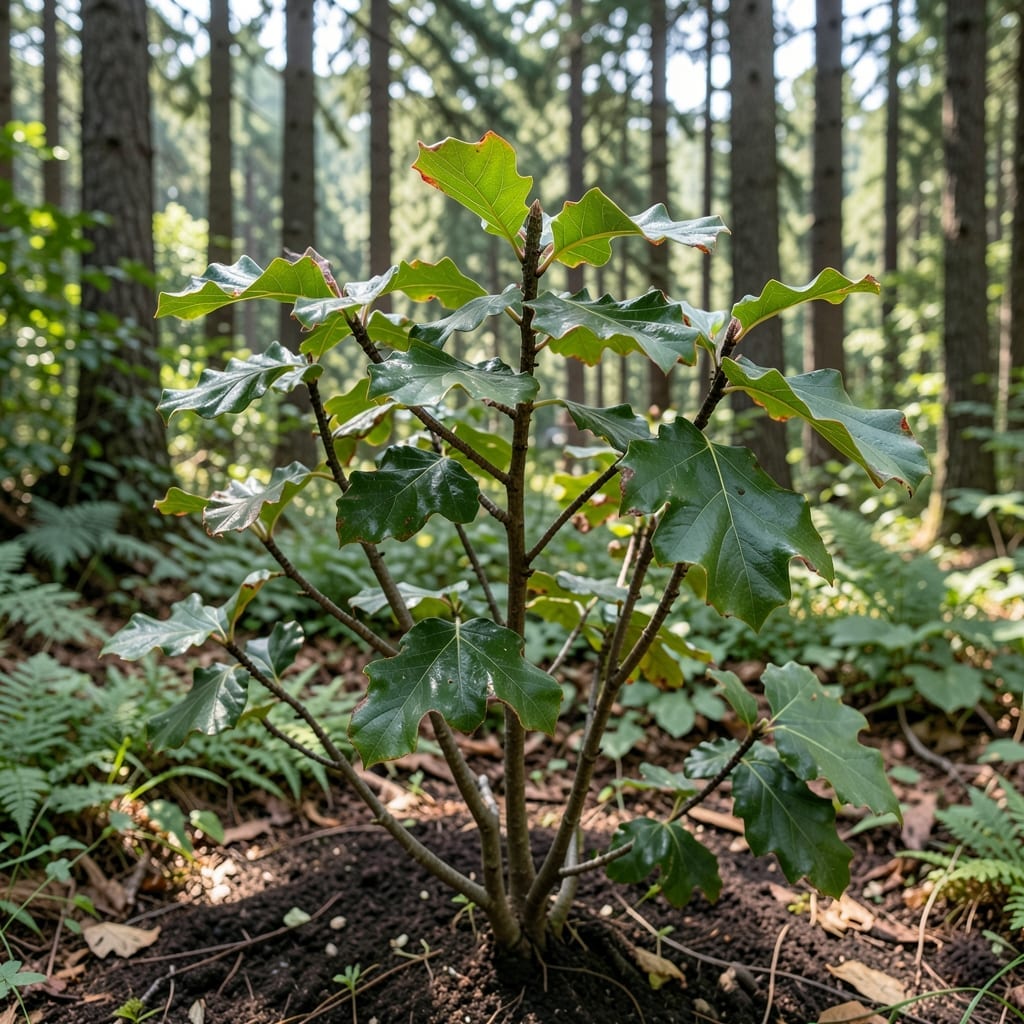
Three shiny green leaves shouldn’t strike fear into a gardener’s heart. But poison oak’s distinctive clusters are nature’s “keep out” sign, and I’ve learned to spot them from 50 feet away after one miserable, itchy encounter.
This plant doesn’t just ruin your day—it can sideline you for 2-3 weeks with a rash that spreads from direct contact or even touching contaminated tools. The oil, urushiol, lingers on surfaces and stays potent for years.
Safe removal starts with proper identification. Look for leaves in groups of three, with the middle leaf often longer, and edges that can be smooth or toothed depending on the variety.
Protection comes down to long sleeves, gloves, and washing everything afterward. When in doubt, don’t touch—some gardeners develop sensitivity after repeated exposure.
Poison oak’s distinctive cluster of three leaflets (often mistaken for groups of five due to overlapping growth) is a result of both botanical evolution and environmental adaptation. Here’s why this plant develops its signature foliage—and why it’s so potent:
Poison oak (Toxicodendron diversilobum or Toxicodendron pubescens) naturally grows in trifoliate patterns—three leaflets per stem. Dense growth or overlapping branches can create the illusion of five leaves. This trait is hardwired into its DNA, ensuring efficient photosynthesis while maximizing sunlight exposure in wooded or shaded areas.
The plant produces urushiol, a toxic oil in its leaves, stems, and roots. This oil triggers allergic contact dermatitis in 80% of humans, a chemical defense to deter herbivores and protect its foliage. The leaflets’ glossy surface helps retain urushiol, making even brief contact risky.
Poison oak thrives in disturbed soils and partial shade, often along trails or forest edges. Its leaf clusters adapt to resource competition—spreading wide to capture sunlight or growing vertically in dense areas. Human activity (e.g., hiking, landscaping) can fragment the plant, leading to regrowth with irregular leaf groupings that may appear as five.
Overlapping leaflets or new growth emerging near mature clusters can create the visual of five leaves. This confusion is common in spring when tender, red-tinged leaves sprout in unpredictable patterns. Always check for the central stem—true poison oak leaflets radiate from a single point.
Dealing with poison oak requires quick and careful action to prevent rashes and further spread. Below are practical solutions for common exposure scenarios, along with prevention tips to keep your garden safe.
If you’ve touched poison oak, rinse the affected area with cool water and soap within 10–15 minutes. Use a specialized cleanser like Tecnu or dish soap to remove the plant’s oils (urushiol). Avoid hot water, as it can open pores and worsen absorption. Do not scrub harshly—this can irritate the skin further.
Urushiol clings to fabrics and can spread to other surfaces. Remove contaminated clothes and wash them in hot water with detergent—twice if heavily exposed. Wear gloves when handling them. For shoes or tools, wipe them down with rubbing alcohol or a urushiol-removing product.
To remove poison oak from your yard, wear long sleeves, gloves, and eye protection. Pull small plants by the roots (using a tool, not your hands) and dispose of them in sealed bags. For larger patches, use a targeted herbicide like glyphosate or triclopyr, but avoid skin contact. Never burn poison oak—inhaling the smoke can cause severe lung irritation.
Prevention Tips:
Overlapping clusters or new growth near mature stems can create this illusion. True poison oak always has three leaflets per stem, radiating from a single point.
Urushiol can remain potent for 1-5 years on untreated tools, clothing, or pet fur. Always clean exposed items thoroughly with soap and water.
Yes. About 80-90% of people become sensitized after repeated exposure. Your first contact may cause no reaction, but later encounters often trigger rashes.
No. Urushiol persists through composting and can contaminate your pile. Seal removed plants in plastic bags and dispose of them with household trash.