
Beautiful Plants For Your Interior
Beautiful Plants For Your Interior
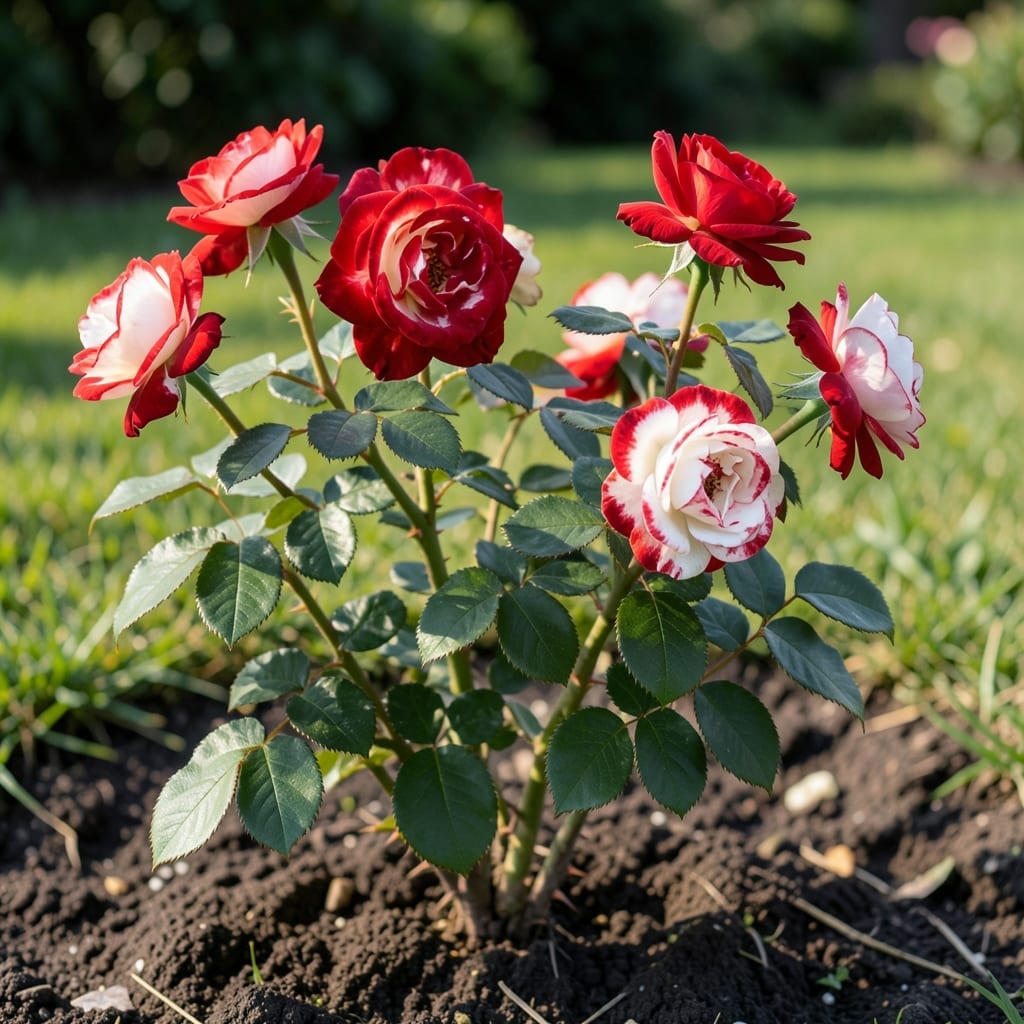
This rose changed my patio game forever. The Fire N Ice delivers bold red-and-white blooms that stop neighbors in their tracks, all while thriving in containers where other roses fail.
I killed three roses before figuring out the secret: consistent moisture, well-draining soil, and a pot with drainage holes. This variety handles heat better than most, but it hates soggy roots as much as the next plant.
You’ll get waves of flowers from spring until frost, with a fragrance that’s subtle but present. The bi-color effect looks hand-painted, and the glossy foliage stays clean with minimal effort.
Perfect for balconies, entryways, or any sunny spot with 6+ hours of light. Here’s how to make it shine.
The striking bi-color blooms of the Fire N Ice rose bush are a result of genetic and environmental factors that influence pigment production. Here’s why the color variations happen:
This rose variety is bred for its unique two-tone pattern, where petals display both red and white hues. The anthocyanin pigments (responsible for reds and purples) and flavonols (for whites/creams) are unevenly distributed due to selective breeding. This creates the “fire and ice” effect naturally.
Intense sunlight can enhance red pigmentation (anthocyanins) while shaded areas may appear lighter. If your container is in partial shade, expect softer color contrasts. For vibrant bi-color blooms, ensure 6+ hours of direct sunlight daily.
Cooler temperatures (below 60°F) can intensify red hues, while heat stress may fade them. The Fire N Ice rose thrives in moderate climates; extreme heat or cold can temporarily alter bloom colors.
A lack of phosphorus or excessive nitrogen can dull the red tones. Use a balanced rose fertilizer (e.g., 10-10-10) to maintain consistent pigmentation. Soil pH (ideally 6.0–6.5) also affects nutrient uptake.
Keeping your Fire N Ice rose bush thriving in containers requires addressing common problems promptly. Below are practical solutions for typical issues, along with prevention tips to keep your plant healthy and vibrant. 🌹
Cause: Overwatering or nutrient deficiency.
Fix: Check the soil moisture—let the top inch dry out before watering again. Use a balanced rose fertilizer to replenish nutrients. Remove affected leaves to redirect energy to healthy growth.
Prevention: Ensure your container has drainage holes and use a well-draining potting mix. Fertilize every 4-6 weeks during the growing season.
Cause: Fungal disease (black spot).
Fix: Remove infected leaves immediately and dispose of them. Apply a fungicide (organic options like neem oil work well) to the plant and surrounding soil.
Prevention: Water at the base of the plant to keep leaves dry. Space containers for good air circulation, and avoid overhead watering.
Cause: Aphids, spider mites, or thrips.
Fix: Spray off pests with a strong stream of water, then apply insecticidal soap or neem oil. Repeat every 5-7 days until pests are gone.
Prevention: Inspect your rose bush regularly for early signs of pests. Encourage beneficial insects like ladybugs by planting companion flowers nearby.
Cause: Underwatering, root rot, or heat stress.
Fix: If the soil is dry, water deeply. If root rot is suspected (foul smell, mushy roots), repot in fresh soil and trim affected roots. Move the container to a cooler, shaded spot during extreme heat.
Prevention: Maintain consistent moisture levels and protect the plant from harsh afternoon sun in summer.
By tackling these issues early and following these prevention tips, your Fire N Ice rose bush will reward you with its stunning bi-color blooms all season long! 🌸
This variety thrives with 6+ hours of direct sunlight daily for vibrant blooms. It tolerates partial shade but may produce softer color contrasts and fewer flowers.
A container with at least 5-gallon capacity and drainage holes is ideal. Smaller pots restrict root growth, while oversized ones may hold too much moisture.
Water when the top 1-2 inches of soil feel dry. Containers dry out faster than ground soil, so check daily in hot weather. Avoid soggy soil to prevent root rot.
Expect waves of bi-color flowers from spring until the first frost. Deadheading spent blooms encourages continuous flowering throughout the season.