
Beautiful Plants For Your Interior
Beautiful Plants For Your Interior
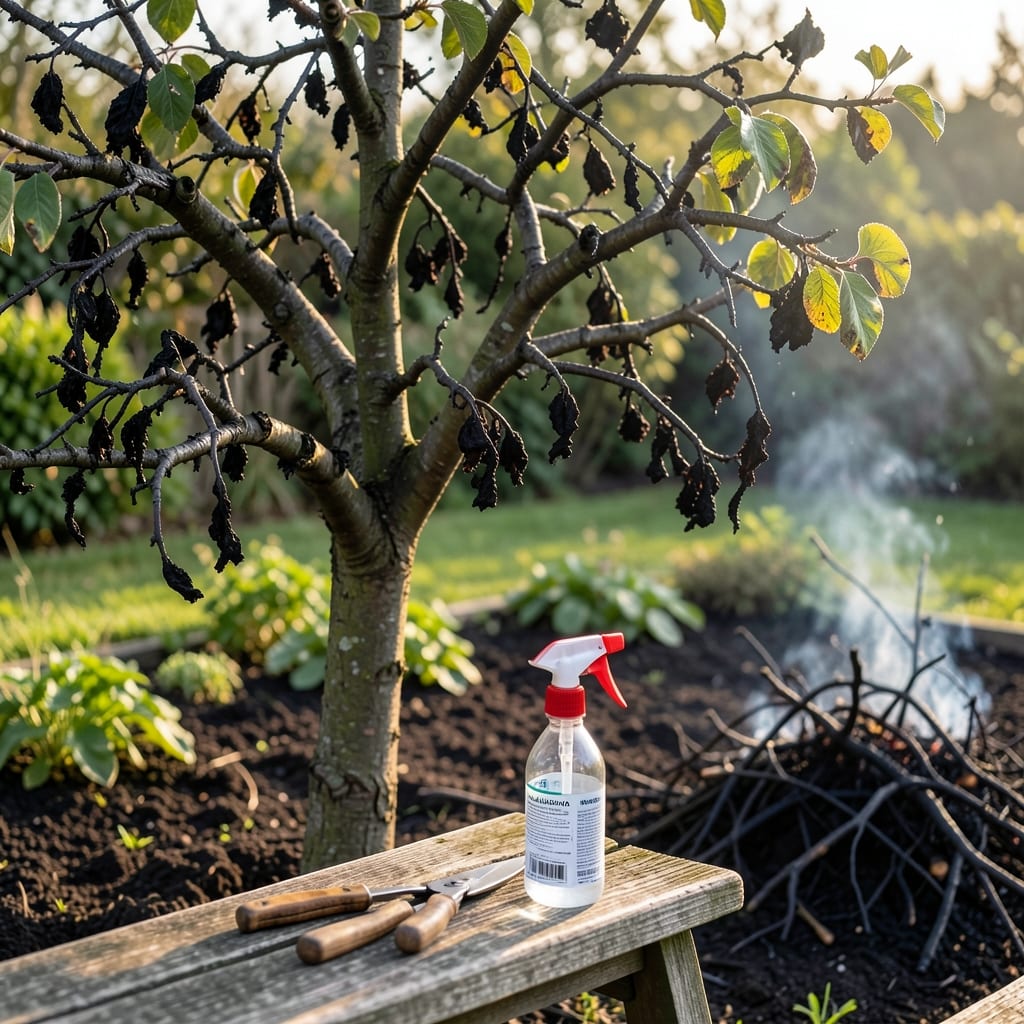
That blackened branch isn’t just ugly—it’s a warning sign. Fire blight spreads fast through apple, pear, and crabapple trees, turning healthy growth into withered husks overnight.
I first spotted it on my neighbor’s pear tree: leaves wilting like they’d been scorched, branches dying back from the tips. The key is catching it early—before it jumps to other limbs or nearby trees.
Pruning at the right time with sterilized tools stops the spread. The cuts need to be 12 inches below visible damage, and you must disinfect between each snip.
Prevention beats treatment every time. Choose resistant varieties, avoid overhead watering, and inspect trees weekly during spring bloom when bacteria spreads easiest.
Fire blight is a destructive bacterial disease caused by Erwinia amylovora, and understanding its triggers is key to preventing its spread. Below are the primary causes behind this aggressive infection in trees like apple, pear, and crabapple.
The bacteria thrive in warm, wet environments. Spring rains and high humidity create ideal conditions for E. amylovora to multiply and spread. When temperatures range between 65–80°F (18–27°C) and moisture lingers on blossoms or new shoots, the bacteria enter through natural openings like flowers or wounds.
Improper pruning—especially during active growth periods—can leave trees vulnerable. Cuts made with contaminated tools or at the wrong time (e.g., during wet weather) introduce the bacteria directly into healthy tissue. Always sterilize pruning tools with rubbing alcohol between cuts to avoid cross-contamination.
Blossoms are a major entry point for fire blight. The bacteria colonize flowers, then move into the tree’s vascular system, causing rapid wilting and dieback. Orchards with dense plantings or overlapping canopies are particularly at risk, as the pathogen spreads easily via insects, wind-driven rain, or pruning tools.
Excess nitrogen promotes lush, succulent growth—perfect for fire blight. Soft, new shoots are more susceptible to infection than mature wood. Balance fertilization to avoid overstimulating tender growth, especially in early spring when the bacteria are most active.
Bees, ants, and other pollinators can inadvertently carry E. amylovora from infected to healthy trees while foraging. While you can’t eliminate pollinators (and shouldn’t!), removing infected blossoms promptly reduces their role in spreading the disease.
Fire blight can be managed with prompt action and consistent care. Below are targeted solutions for common causes, along with prevention tips to keep your trees healthy long-term.
Remove infected branches at least 8–12 inches below visible damage to eliminate the bacteria. Sterilize pruning tools with rubbing alcohol or a 10% bleach solution between cuts to avoid spreading the disease. Burn or dispose of infected material—do not compost it.
Prevention Tip: 💡 Prune during dry, sunny weather to reduce bacterial spread. Avoid pruning in spring when trees are most vulnerable.
Use copper-based bactericides (e.g., Bordeaux mixture) at the first sign of infection or as a protective spray during bloom. Follow label instructions carefully, as overuse can harm beneficial microbes.
Prevention Tip: ✨ Apply horticultural oil in late winter to smother overwintering bacteria on branches.
Fire blight thrives in damp environments. Thin out dense canopies to increase sunlight and airflow, which helps foliage dry faster. Space trees properly when planting to reduce humidity buildup.
Prevention Tip: 🌡️ Water trees at the base (not overhead) to keep leaves dry. Use drip irrigation for precise moisture control.
Bees and other pollinators can spread fire blight between flowers. Remove weeds and wild hosts (e.g., hawthorn, crabapple) near orchards, as they may harbor bacteria.
Prevention Tip: 🎯 Plant resistant varieties like ‘Liberty’ apple or ‘Moonglow’ pear to reduce susceptibility.
After harvest, rake and destroy fallen leaves and fruit to remove potential bacterial sources. Inspect trees regularly for oozing cankers or wilted shoots, and act quickly if symptoms appear.
Prevention Tip: 🌟 Apply a dormant-season spray of lime sulfur to kill lingering bacteria on bark.
Apple, pear, and crabapple trees are most commonly affected. Other rosaceous plants like hawthorn and mountain ash can also fall victim to the disease.
Look for wilted, blackened leaves and shoots that appear scorched. Oozing cankers on branches are another clear sign of infection.
Prune during dry, sunny weather and never in spring. Always cut 8-12 inches below visible damage and sterilize tools between cuts.
No, never compost infected material. Burn or dispose of it in sealed bags to prevent spreading the bacteria.