
Beautiful Plants For Your Interior
Beautiful Plants For Your Interior
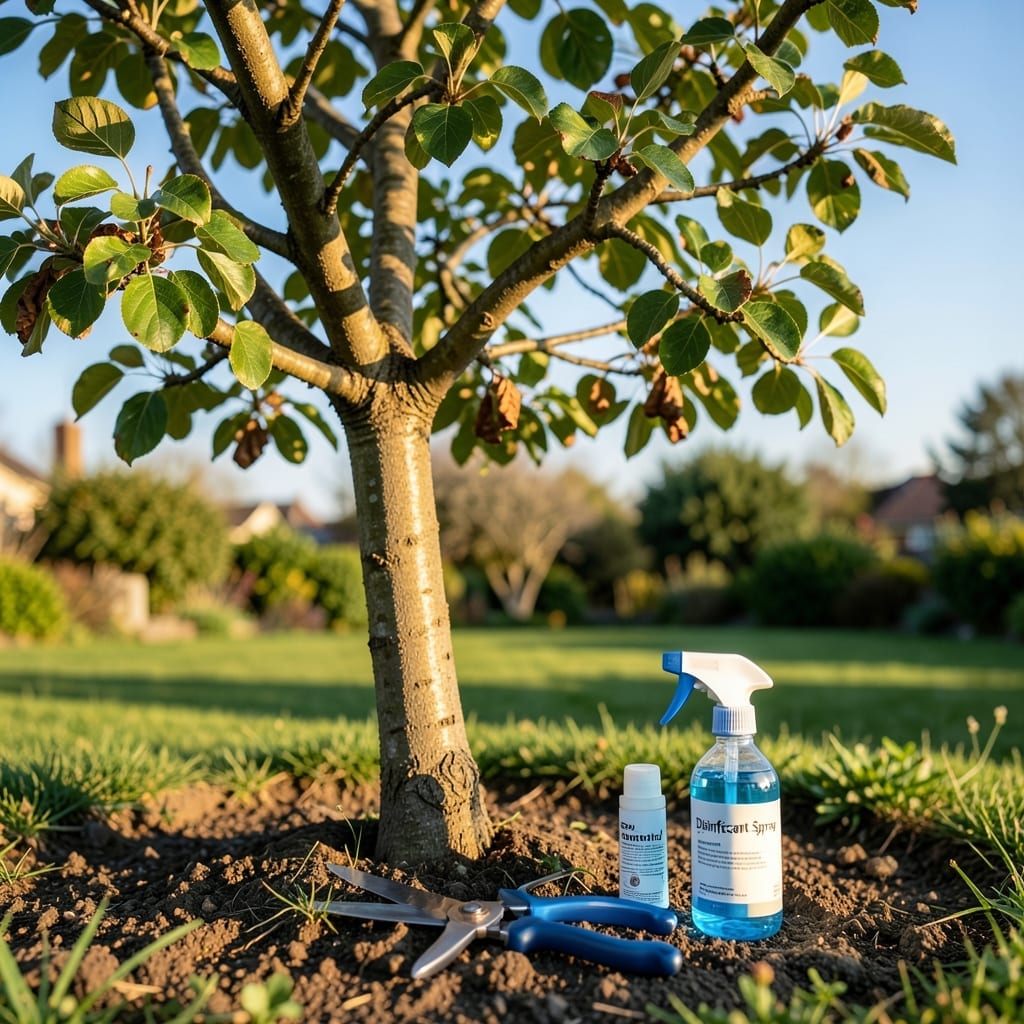
That first browned blossom on my pear tree sent me into a panic. 🌱 Fire blight moves fast, turning healthy branches black overnight, and it doesn’t stop at pears—it’ll take out apples and crabapples too.
I learned the hard way that catching it early is everything. Look for wilted, blackened shoots that curve like a shepherd’s crook, oozing amber liquid. The bacteria spreads through pruning tools, rain, and even pollinators.
Organic treatment starts with immediate removal of infected wood—6-8 inches below visible damage—and sterilizing cuts with rubbing alcohol. Copper sprays can help, but timing is critical.
Consistent monitoring and good airflow make all the difference. This battle is winnable with vigilance.
Fire blight, a destructive bacterial disease affecting pear trees, thrives under specific environmental and biological conditions. Understanding its root causes helps gardeners prevent and manage outbreaks effectively. Below are the primary factors that trigger this issue:
The disease stems from the Erwinia amylovora bacterium, which invades pear trees through natural openings like flowers, wounds, or pruning cuts. Once inside, it multiplies rapidly, blocking water and nutrient flow, leading to wilted, blackened shoots and branches. This pathogen spreads via insects, rain, or contaminated tools.
Fire blight flourishes in temperatures between 65–85°F (18–29°C) paired with high humidity or rain. These conditions create an ideal environment for bacterial growth and dispersal. Blossoms are particularly vulnerable during this period, as the bacterium thrives on their sticky surfaces.
Excessive nitrogen fertilization promotes lush, tender growth, which is more susceptible to bacterial infection. While nitrogen boosts foliage, it can weaken a tree’s natural defenses, making it easier for E. amylovora to take hold. Balanced fertilization is key to maintaining tree resilience.
Pruning during active growth phases (spring or early summer) leaves fresh wounds exposed to the bacterium. Avoid pruning when trees are blooming or in wet conditions to minimize infection risk. Sterilize tools between cuts to prevent cross-contamination.
By addressing these causes—monitoring weather, practicing cautious pruning, and balancing soil nutrients—you can significantly reduce the risk of fire blight in your pear trees.
Fire blight can be devastating, but with the right approach, you can stop its spread and protect your pear trees. Here’s how to tackle each cause with practical fixes, plus prevention tips to keep your orchard healthy.
Cause: Bacterial spread through infected wood. Fix: Remove diseased branches immediately—cut at least 8–12 inches below visible damage to ensure the bacteria is gone. Sterilize pruning tools with rubbing alcohol (70%+) between cuts to avoid contamination. Burn or dispose of infected material far from the garden.
Cause: Wet, humid conditions fuel bacterial growth. Fix: Water trees at the base (avoid wetting leaves) and do it early in the day so foliage dries quickly. Improve air circulation by thinning branches and spacing trees properly.
Cause: Bacteria thrives on vulnerable tissue. Fix: Spray copper fungicide or bacteria-inhibiting solutions (like seranade) during dormancy and again at bud break. For active infections, use lime sulfur (follow label rates). Reapply after rain.
Cause: Weak trees are more susceptible. Fix: Fertilize with balanced organic compost in early spring to strengthen resistance. Avoid high-nitrogen fertilizers, which promote tender growth that attracts bacteria.
Consistency is key: act at the first sign of trouble to save your trees and future harvests!
Look for wilted, blackened shoots that curve like a shepherd’s crook. Infected blossoms turn brown and ooze amber liquid. Leaves often appear scorched but remain attached.
Prune immediately when you spot symptoms. Cut at least 8–12 inches below visible damage during dry weather. Sterilize tools with rubbing alcohol between cuts.
If over 30% of the tree is infected, removal may be necessary. For less severe cases, aggressive pruning and copper sprays can help. Act fast to prevent spreading to other trees.