
Beautiful Plants For Your Interior
Beautiful Plants For Your Interior
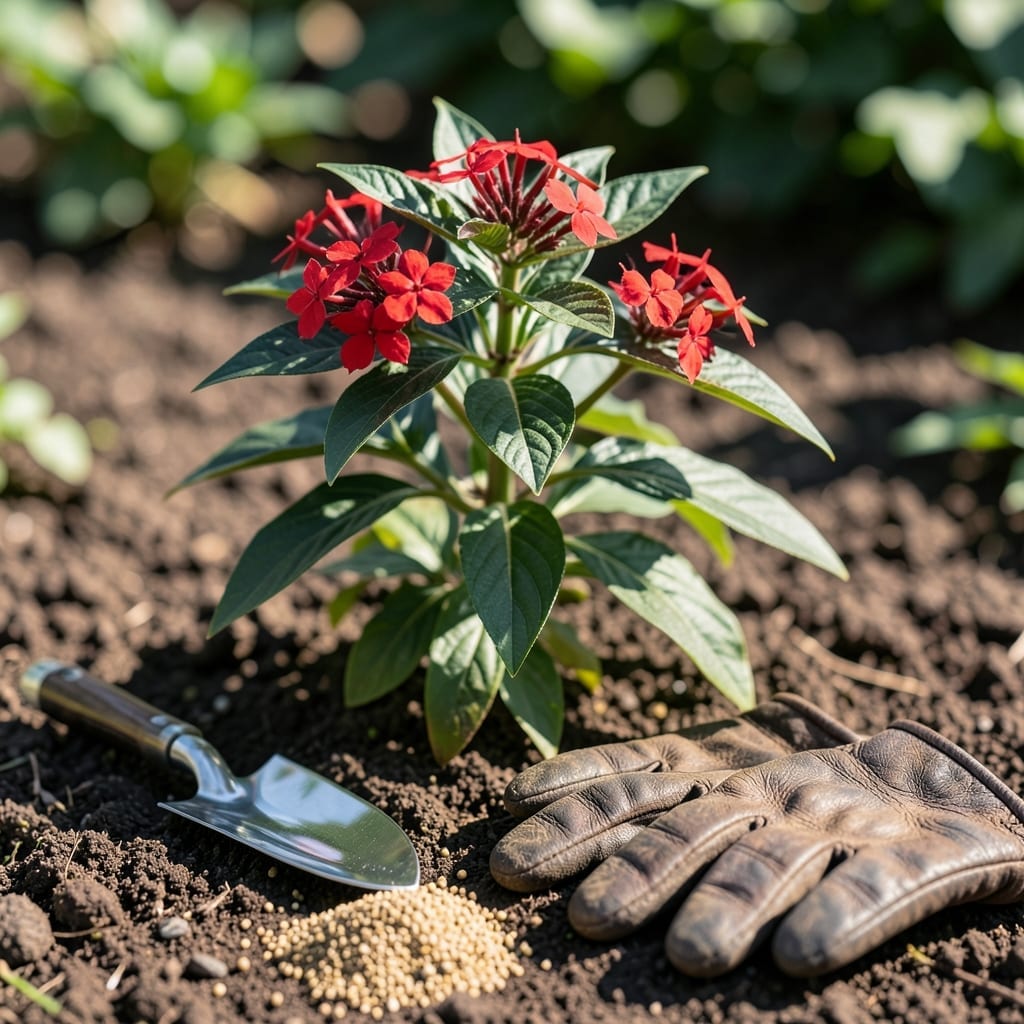
Nothing beats the sight of vibrant 🌸 Pentas blooming in your garden. But without proper feeding, those star-shaped flowers may never reach their full potential.
I’ve learned that the right fertilizer makes all the difference for these tropical beauties. Whether you’re growing them in zones 9-11 or just starting out, proper nutrition is key.
From balanced liquids to slow-release options, there are easier ways to keep your Pentas thriving. A little knowledge goes a long way in boosting those stunning clusters.
Discover how to feed your plants for maximum blooms and lush growth. Let’s get your garden bursting with color this season.
Pentas thrive with the right nutrients, and I’ve found that balanced fertilizers work best for these blooming beauties. A 10-10-10 NPK ratio is ideal for promoting both lush foliage and vibrant flowers.
For consistent results, I recommend a slow-release granular fertilizer applied every 4-6 weeks. This ensures steady nutrient supply without the risk of over-feeding.
| Fertilizer Type | NPK Ratio | Best For | Application Frequency |
|---|---|---|---|
| Balanced Liquid | 10-10-10 | Quick bloom boost | Every 2 weeks |
| Slow-Release Granular | 14-14-14 | Long-term feeding | Every 4-6 weeks |
| Organic Compost | Varies | Soil health | Seasonally |
I’ve had great success with liquid fertilizers for a quick bloom boost. They’re perfect for reviving tired plants or giving pentas an extra push during peak flowering.
If you prefer organic options, compost or worm castings work wonders. They improve soil structure while providing gentle, natural nutrients.
For container-grown pentas, I use a water-soluble fertilizer every 2 weeks. This prevents nutrient buildup in the limited soil volume of pots.
Remember, over-fertilizing can lead to leaf burn or excessive foliage at the expense of flowers. Always follow the package instructions for best results.
In hot climates, I switch to a low-nitrogen fertilizer in summer. This helps maintain blooms without stressing the plants during heat waves.
For established pentas, a light feeding in early spring kickstarts new growth. I pair this with pruning old stems to encourage bushier plants.
If your pentas look leggy or pale, a nitrogen-rich fertilizer can help. But for maximum blooms, stick with a balanced formula.
Pentas in poor soil benefit from monthly compost top-dressing. This builds soil fertility naturally over time. 🌱
Timing your fertilizer applications is crucial for Pentas plants. I’ve found that feeding every 4-6 weeks during the growing season works best. This keeps your plants fueled for those stunning blooms.
Start fertilizing in early spring to encourage new growth. A balanced 10-10-10 formula is ideal for most gardeners. Apply in the early morning to avoid burning the roots.
For application methods, I recommend soil drenching over foliar feeding. This ensures the nutrients reach the roots where they’re needed most. Use 1 tbsp per plant for granular fertilizers.
Watch for signs of over-fertilizing like yellowing leaves or stunted growth. If you see these, flush the soil with water and hold off on feeding for a few weeks.
Under-fertilizing shows as weak stems and fewer blooms. If your Pentas look lackluster, a gentle feed can often perk them right up. Always follow package instructions.
Remember, consistency is key with Pentas. Regular, light feedings work better than occasional heavy doses. This approach keeps your plants happy and blooming all season long.
🌸