
Beautiful Plants For Your Interior
Beautiful Plants For Your Interior
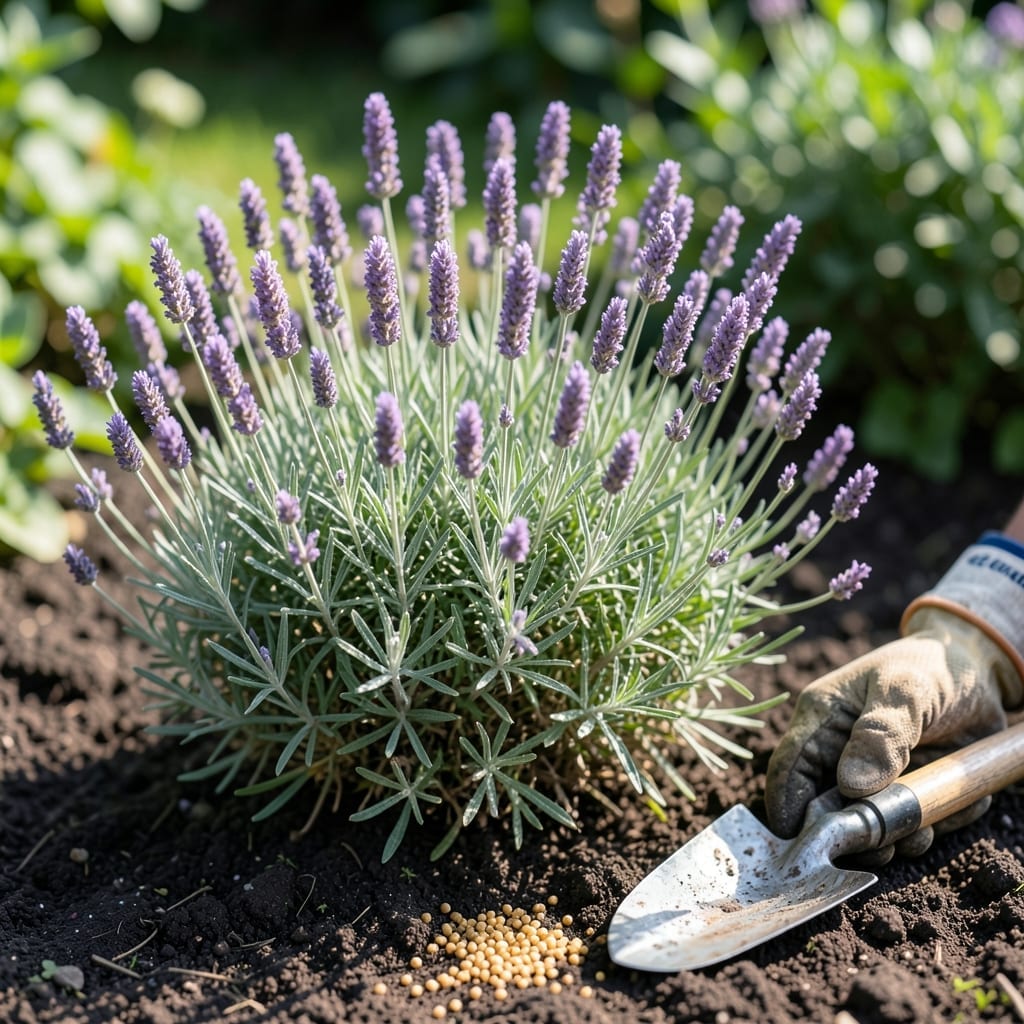
I get it—seeing your 💜 Lavender struggle can be frustrating when all you want is those vibrant, fragrant blooms. The truth is, most gardeners unknowingly harm their plants with the wrong approach to feeding.
What many don’t realize is that Lavender thrives in poor soil, and too much of the wrong nutrients can do more harm than good. It’s not about feeding it more—it’s about feeding it right.
Discover how the right low-phosphorus options can transform your garden. Let’s dig into what your Lavender really needs to flourish.
If you’ve ever wondered why your lavender plants look lackluster despite regular feeding, the culprit might be your fertilizer. Lavender originates from the Mediterranean, where it thrives in poor, rocky soils with minimal nutrients.
High-phosphorus fertilizers can actually do more harm than good. They encourage excessive leafy growth at the expense of blooms, and may even lead to root rot in this drought-tolerant plant.
⚠️ Warning: Phosphorus Overload Risks
High-phosphorus fertilizers can stunt blooms and cause root rot in lavender. Stick to low-phosphorus options to mimic its natural habitat.
Lavender’s natural preference is for low-fertility soil, which is why it’s crucial to choose fertilizers that won’t overload it with nutrients it doesn’t need. Think of it as a less-is-more plant when it comes to feeding.
The ideal NPK ratio for lavender is one where phosphorus (P) is significantly lower than nitrogen (N) and potassium (K). For example, a 5-3-3 or 7-3-5 ratio works beautifully.
This balance encourages strong root development and vibrant blooms without promoting excessive foliage. It’s all about replicating the lean soil conditions lavender loves in the wild.
Signs of phosphorus overload include yellowing leaves, stunted growth, and a noticeable lack of flowers. If you see these, it’s time to reassess your feeding strategy.
I’ve found that switching to a low-phosphorus fertilizer can dramatically improve the health and flowering of lavender plants. It’s a simple change with big results.
Remember, lavender is drought-tolerant and doesn’t need rich soil to thrive. In fact, too many nutrients can lead to weak stems and fewer blooms, which is the opposite of what we want.
By choosing the right fertilizer, you’re not just feeding your plant—you’re honoring its natural preferences. This approach will reward you with healthier plants and more abundant flowers. 🌿
Choosing the right fertilizer for lavender plants means prioritizing options that match their Mediterranean origins. I always recommend low-phosphorus formulas to keep blooms abundant without sacrificing plant health.
For organic gardeners, compost tea and fish emulsion are excellent choices. They provide gentle nutrition while improving soil structure. Synthetic options like slow-release granules with a 5-3-3 NPK ratio also work well.
| Fertilizer Type | NPK Ratio | Best For |
|---|---|---|
| Compost Tea | 1-1-1 | Organic, soil health |
| Fish Emulsion | 5-1-1 | Quick nitrogen boost |
| Slow-Release Granules | 7-3-5 | Long-term feeding |
For a DIY approach, I mix 1 part compost with 3 parts sand to create a lean, well-draining amendment. This mimics lavender’s native soil perfectly and avoids the risks of commercial fertilizers.
Synthetic fertilizers can be effective but require caution. Always opt for low-phosphorus formulas and apply sparingly. Overfeeding can lead to weak stems and reduced flowering, which defeats the purpose.
Remember, lavender’s drought tolerance means it doesn’t need frequent feeding. A light application in early spring and another after blooming is usually sufficient for healthy growth. 🌿
If you notice yellowing leaves or stunted growth, it might be a sign of nutrient imbalance. In that case, I recommend flushing the soil with water and reassessing your fertilizer choice.
Ultimately, the best fertilizer for lavender plants is one that supports its natural growth habits. Stick to low-phosphorus options and always err on the side of less rather than more. 🌱