
Beautiful Plants For Your Interior
Beautiful Plants For Your Interior
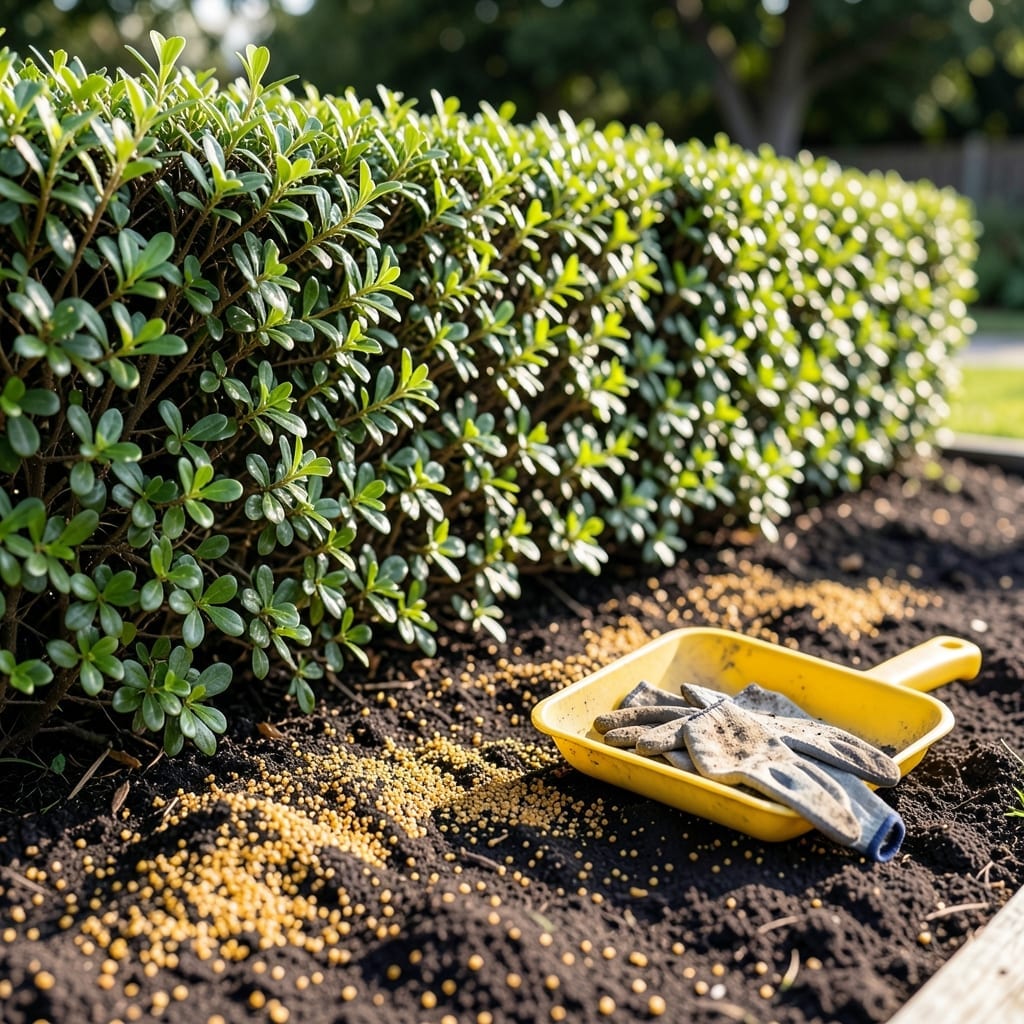
Your boxwood hedge could be the envy of the neighborhood – or just another green blob in your yard. The difference often comes down to something as simple as the right feeding strategy.
I’ve seen too many 🌿 Boxwood hedges struggle with weak growth and dull color because they weren’t getting the proper nutrients at the right time. The good news? This is an easy fix.
Slow-release fertilizers are a game-changer for these shrubs, providing steady nourishment that keeps them lush and healthy without the risk of burning.
Let me walk you through how to choose and apply the best options for your Boxwood, so you can achieve that dense, vibrant look you’re after.
When I’m selecting a fertilizer for boxwood hedge care, I always prioritize slow-release options that provide consistent nutrition without the risk of burning delicate roots. Boxwoods thrive on steady feeding, especially during their active growing seasons in spring and fall. 🌿
The best choices contain a balanced NPK ratio like 10-6-4 or 12-6-6, which supports both foliage density and root development. These formulations mirror the natural nutrient uptake of boxwoods in their native habitats.
| Fertilizer Type | NPK Ratio | Best For | Duration |
|---|---|---|---|
| Granular | 10-6-4 | Established hedges | 8-12 weeks |
| Spikes | 12-6-6 | New plantings | 12-16 weeks |
| Organic | 5-3-3 | Eco-friendly care | 6-8 weeks |
Granular fertilizers work well for mature boxwood hedges as they can be easily broadcast across the root zone. I recommend applying them just before a light rain or watering them in thoroughly to activate the nutrients. ✂️
Fertilizer spikes are my go-to for newly planted boxwoods because they deliver nutrients directly to the root ball. They’re particularly useful in drought-prone areas where water might not distribute granular fertilizer evenly.
For gardeners preferring organic solutions, I’ve had great success with compost-based fertilizers and fish emulsion blends. These improve soil structure while providing gentle, consistent nutrition that won’t shock your boxwoods.
Remember that boxwoods prefer slightly acidic soil (pH 6.0-6.5). If your soil test shows higher pH, I suggest amending with sulfur or using an acid-loving plant fertilizer to maintain proper nutrient availability. 🌱
The application rate is crucial – typically 1 cup per 10 sq ft for granular types. Over-fertilizing can lead to leaf burn or excessive growth that requires more frequent pruning.
I always mark my calendar for early spring and late fall feedings, as these are the optimal times for boxwood fertilization. Avoid fertilizing during summer heatwaves or when the soil is bone dry.
For container-grown boxwoods, I use a liquid slow-release fertilizer every 4-6 weeks during the growing season. These need more frequent feeding than in-ground plants because nutrients leach out with regular watering. 💧
Timing is everything when it comes to fertilizing your boxwood hedge. I always recommend feeding in early spring and late fall to support new growth and winter preparation. These are the optimal windows for nutrient uptake.
For application, I prefer the broadcast method for even coverage, but targeted feeding works well for established hedges. Always follow the dosage on the label—usually 1 cup per 10 sqft for slow-release options. Overdoing it can harm your plants. 🌿
I’ve found that granular fertilizers work best when lightly raked into the soil. This ensures the nutrients reach the root zone where they’re needed most. For liquid fertilizers, apply directly to the soil, not the foliage.
Remember, soil moisture is key. Always water your hedge before and after applying fertilizer to prevent root burn. This simple step can make a big difference in effectiveness.
If you’re unsure about your soil’s needs, I suggest a soil test. Boxwoods thrive in slightly acidic soil (pH 6.0-6.5). Adjusting pH before fertilizing can maximize nutrient absorption.
Finally, keep an eye on your hedge’s response. If you notice yellowing leaves or stunted growth, it might be time to reassess your fertilizer type or schedule. Healthy boxwoods reward careful attention with lush, green foliage all season long. 🌳