
Beautiful Plants For Your Interior
Beautiful Plants For Your Interior
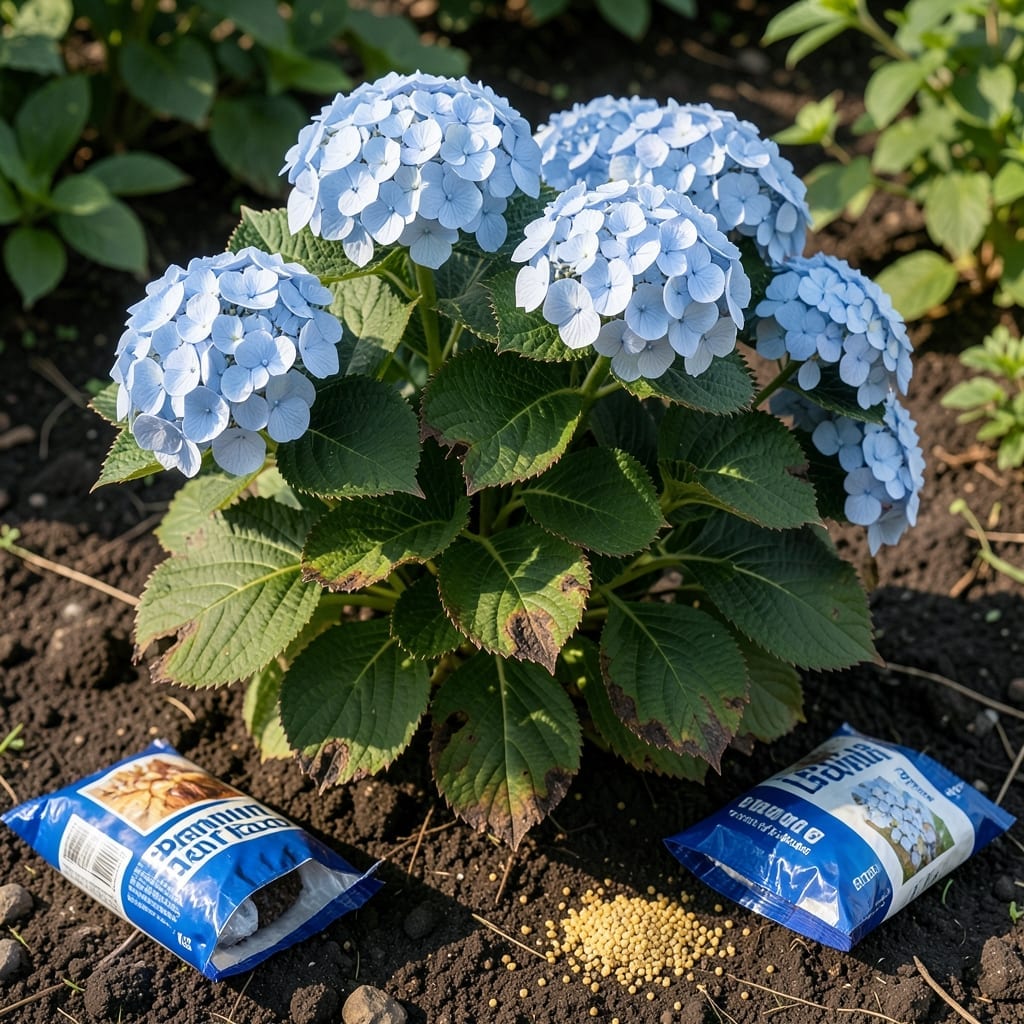
I’ve seen fertilizer burn turn healthy hydrangeas into crispy disasters overnight. The leaves brown at the edges, curl up, and look like they’ve been torchured. It’s shocking how quickly it happens.
Here’s the thing—hydrangeas are sensitive to excess salts in fertilizer. Too much, too fast, and the roots can’t absorb water properly. I learned this after ruining my first set of blooms with over-enthusiastic feeding.
Recovery starts with flushing the soil immediately to wash out excess salts. Then, you’ll need to adjust your feeding schedule to prevent repeat damage. The good news is most plants bounce back within 2-3 weeks.
Proper timing and dilution are everything. Your hydrangeas will thank you with lush, vibrant blooms next season.
Fertilizer burn in hydrangeas occurs when excess salts in fertilizers draw moisture out of the roots, disrupting the plant’s ability to absorb water and nutrients. Here’s a breakdown of the primary causes:
Applying too much fertilizer—especially synthetic, high-nitrogen blends—creates a hyper-concentrated salt environment around the roots. Hydrangeas are sensitive to salt buildup, which osmotically pulls water out of root cells, leading to dehydration, leaf scorch, and wilting. Always follow label rates and avoid “more is better” thinking.
Fertilizers need to be diluted and flushed through the soil to prevent salt accumulation. Without adequate watering after application, salts remain near the root zone, increasing the risk of burn. Water deeply (1–2 inches) immediately after fertilizing to help distribute nutrients evenly and leach excess salts downward.
Hydrangeas under heat or drought stress are more vulnerable to fertilizer burn. High temperatures increase evaporation, concentrating salts in the soil. Additionally, dry conditions slow nutrient uptake, leaving fertilizers lingering in harmful concentrations. Fertilize during cooler periods and ensure consistent soil moisture, especially in hot climates.
Using a fertilizer with a high salt index (e.g., urea or ammonium sulfate) can quickly overwhelm hydrangea roots. Organic options like compost or slow-release granular fertilizers are gentler and less likely to cause burn. Always choose a balanced, hydrangea-friendly formula (e.g., 10-10-10 or 12-4-8) and avoid high-analysis products.
Once you spot the telltale brown, crispy edges on your hydrangea leaves, act fast to reverse the damage and prevent further stress. Below are targeted fixes for each common cause, plus simple prevention tips to keep your plants thriving.
If you’ve over-applied fertilizer, flush the soil immediately to remove excess salts. Water the base of the plant deeply—use about 4-5 gallons for large hydrangeas—until water runs freely from the drainage holes (if potted) or soaks 12+ inches deep (in-ground). Repeat every 2-3 days for a week. Skip fertilizing until the plant recovers (usually 3-4 weeks).
Prevention tip: 💡 Always follow package instructions, and when in doubt, use half the recommended dose. Slow-release fertilizers are gentler for hydrangeas.
Fertilizer burns roots when applied to parched soil. If this happened, soak the soil thoroughly the day before fertilizing to dilute salts. For immediate relief, water deeply now and prune affected leaves to reduce stress. Avoid fertilizing again until the soil is consistently moist.
Prevention tip: 🌧️ Check soil moisture with your finger—it should feel like a wrung-out sponge. Water 1-2 days before applying fertilizer.
Hydrangeas prefer balanced, low-nitrogen fertilizers (e.g., 10-10-10 or 12-4-8). If you used a high-nitrogen product (like lawn fertilizer), stop immediately and switch to a hydrangea-specific or organic option (e.g., compost or fish emulsion). Rake away any visible granules from the soil surface.
Prevention tip: 🎯 Choose fertilizers labeled for acid-loving plants if you have blue/pink hydrangeas, and always test a small area first.
Chronic over-fertilizing leads to salt buildup. Stop all fertilizers and focus on replenishing beneficial microbes with compost or worm castings. Mulch with 2-3 inches of organic matter (e.g., pine bark) to improve soil health. Yellowing leaves may indicate nutrient lockout—flush the soil as described above.
Prevention tip: ✨ Fertilize hydrangeas only 2-3 times per growing season (early spring, after blooming, and mid-summer at most).
Most hydrangeas bounce back within 2-3 weeks after flushing the soil and stopping fertilizer. New growth will appear healthy, but severely damaged leaves may not recover.
Yes, but sparingly. 1 tablespoon of Epsom salt per gallon of water can help restore magnesium. Apply once monthly, not as a primary treatment.
Remove only the worst damaged leaves to reduce stress. Leave mildly affected ones—they’ll still photosynthesize. Avoid heavy pruning during recovery.
Use a balanced, slow-release formula like 10-10-10 or organic options like compost. Always dilute to half strength for sensitive plants.