
Beautiful Plants For Your Interior
Beautiful Plants For Your Interior
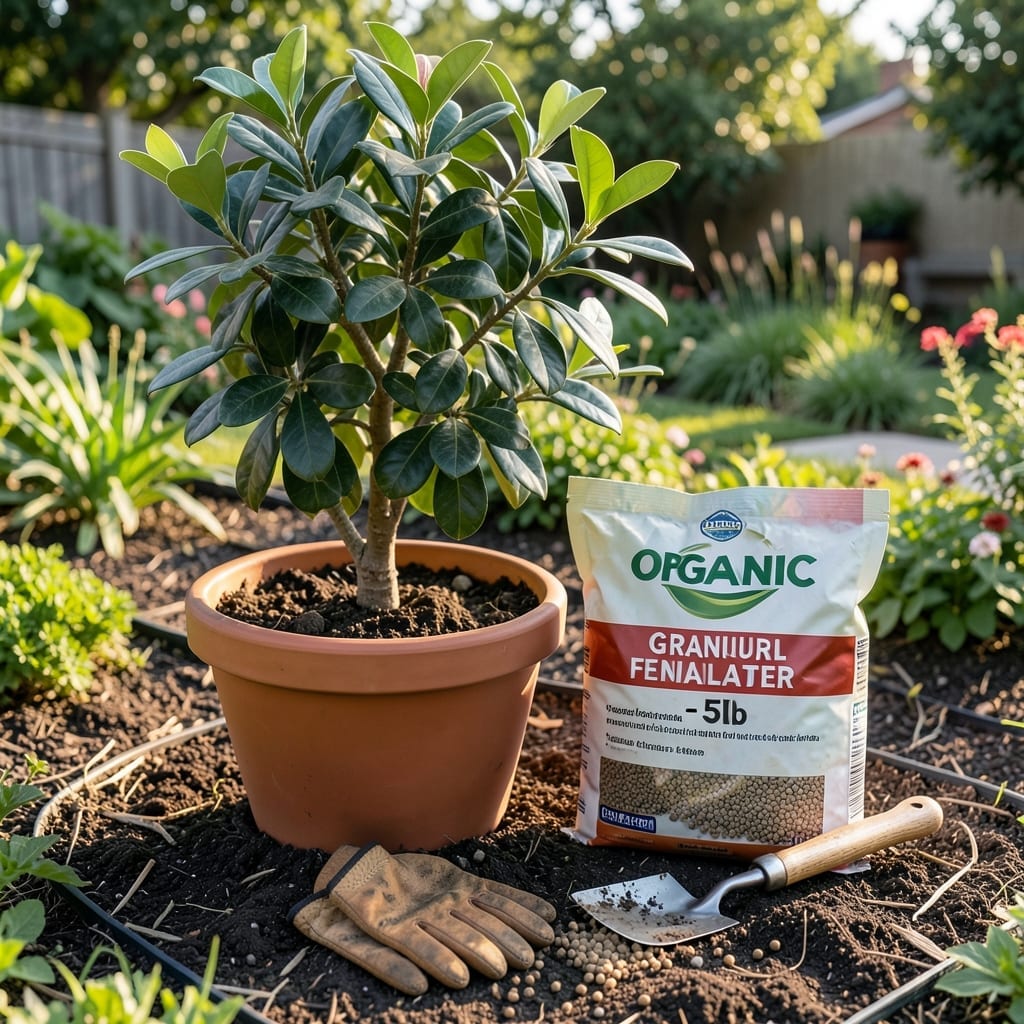
I know that sinking feeling when your 🥑 avocado plant looks a little lackluster. It’s not just about watering—it’s about feeding it the right way.
Getting fertilization right can be the difference between a struggling sapling and a thriving tree. The wrong approach can actually harm your plant, but the right one unlocks healthy growth.
Whether your avocado lives indoors or out in zones 9-11, timing and technique matter. I’ve seen plants transform with just a few simple adjustments.
Discover how to give your tree the nutrients it craves without the guesswork. Let’s get your avocado the fuel it needs to flourish.
Fertilizing your avocado plant correctly is the key to healthy growth and a bountiful harvest. I’ve found that avocados thrive with a balanced NPK ratio, typically 6-6-6 or 8-3-9, to support their unique needs. ☀️
Whether you’re growing indoors or outdoors, the right fertilizer type and application timing can make all the difference. I always recommend starting with a citrus or avocado-specific fertilizer for the best results. 🌱
For young avocado plants, I prefer organic options like compost or worm castings. These provide gentle nutrition without the risk of root burn. Apply these every 4-6 weeks during the growing season. 🌿
As your plant matures, switch to a citrus-specific fertilizer with higher potassium and zinc. These nutrients are crucial for fruit development and disease resistance. I apply mine every 6-8 weeks in spring and summer.
Remember that soil preparation is just as important as the fertilizer itself. I always test my soil’s pH level first—avocados prefer slightly acidic to neutral soil (pH 6.0-7.0). Amend with sulfur or lime as needed.
When applying fertilizer, I spread it evenly around the drip line and avoid direct contact with the trunk. Water deeply afterward to help nutrients penetrate the root zone. This prevents fertilizer burn and ensures even distribution.
For container-grown avocados, I use a liquid fertilizer every 2-4 weeks during the growing season. This works better than granular options in pots because it’s easily absorbed and won’t build up in the soil.
Timing is everything with avocados. I fertilize lightly in spring to avoid burning new growth, then increase frequency in summer to support fruiting. In fall, I reduce feeding to prepare for dormancy, and I skip winter fertilization entirely.
If you notice yellowing leaves or stunted growth, it might be a sign of nutrient deficiency. I’ve found that a foliar spray of chelated iron or zinc can quickly correct minor issues while I adjust my soil fertilization plan. 🌳
I’ve seen too many avocado trees suffer from well-intentioned but misguided fertilizing. The most common mistake is over-fertilizing, which can burn roots and stunt growth.
Another pitfall is using high-nitrogen fertilizers year-round, which promotes leafy growth at the expense of fruit production. Timing and balance are everything.
Avoid fertilizing during winter dormancy or right after transplanting. Both can shock your avocado plant and hinder recovery.
Using the wrong NPK ratio is another frequent error. Avocados thrive on 6-6-6 or 8-3-9 blends, not lawn fertilizers with high phosphorus.
Forgetting to water before fertilizing can concentrate salts in the soil, damaging roots. Always moisten the soil first to distribute nutrients evenly.
Applying fertilizer to dry soil or during heatwaves increases stress. Aim for early morning or evening when temperatures are cooler.
Lastly, ignoring soil pH can lock out nutrients. Avocados prefer slightly acidic soil (6.0-6.5). Test your soil and amend if needed 🌱