
Beautiful Plants For Your Interior
Beautiful Plants For Your Interior
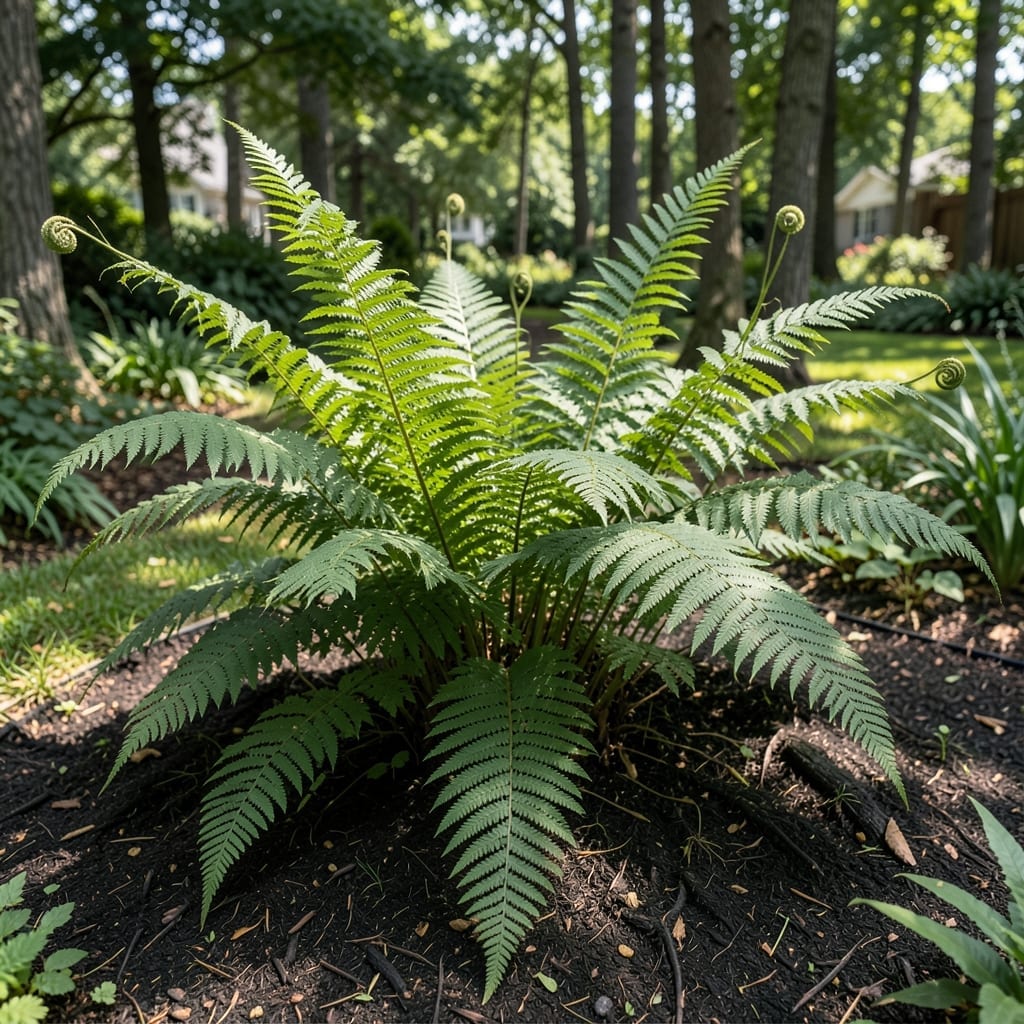
I never thought I’d be hunting for fiddleheads in my own backyard. These curly fronds appear in early spring, offering a unique harvest before most plants wake up.
With the right conditions—shady spots and moist soil—you can grow ferns that produce tender, edible fiddleheads year after year. The key is knowing which varieties are safe and when to pick them.
📚 In This Guide
Here’s the reliable method I use to harvest safely and sustainably in any forest.
Not all ferns are edible, so positive identification is critical before you touch anything. I focus on the ostrich fern, which has smooth, brown, papery scales at the base of its fronds and grows in dense clusters. The fiddleheads emerge in early spring as tight, coiled spirals from the ground.
Look for fiddleheads that are 1-3 inches tall with a smooth, green stem and no signs of unfurling. Avoid any with fuzzy or hairy stems—those usually indicate inedible or even toxic varieties. When in doubt, I leave it. There’s no rushing safe foraging.
Timing is everything. I harvest fiddleheads in early to mid-spring, typically April through early May, depending on your region. The perfect window is when the fiddlehead is still tightly coiled but has emerged 2-4 inches above the ground. Once the frond starts to uncurl, it becomes bitter and tough.
Check the fiddlehead’s texture by gently pressing it—it should feel firm, not soft or mushy. I also watch for the first signs of the frond’s paper-like covering (the “cozie”) beginning to loosen. That’s your signal the fiddlehead is at peak tenderness.
Never take more than half the fiddleheads from any single plant. I use a sharp knife or my fingers to snap the fiddlehead off at the base, leaving the rest of the plant intact to continue growing. This ensures the fern can still photosynthesize and produce spores for future seasons.
Avoid harvesting from small or struggling fern patches. I look for large, healthy clusters with at least 10-12 fronds and only take a few from each. This practice keeps the patch thriving for years to come while still providing a good harvest.
Fiddleheads spoil quickly, so I process them within 24 hours of picking. First, I rinse them thoroughly under cold water to remove dirt and debris. Then, I trim off the brown, papery scales at the base and any discolored or damaged parts of the stem.
For storage, I blanch them in boiling water for 2 minutes, then plunge into ice water to stop the cooking process. This preserves their bright green color and crisp texture. After draining, I pat them dry and store in the refrigerator for up to 5 days or freeze for longer storage.
After years of foraging, I’ve learned the small details that make all the difference with wild edibles.
Identification Safety: In Step 1, that U-shaped stem groove on ostrich ferns is your lifeline. I carry a magnifying glass to confirm this detail when I’m uncertain. Even experienced foragers get this wrong sometimes, and mistaking toxic lookalikes can be dangerous.
Harvesting Timing: The 1-3 inch height window in Step 2 is critical. Fiddleheads grow fast—what’s perfect at 8 AM might be too mature by noon. I set an alarm for early morning harvests when they’re at their crispest. And remember, 2-3 fiddleheads per plant keeps the fern productive for years.
Processing Non-Negotiables: Step 3’s 10-12 minute blanch isn’t just for texture—it’s a safety step you can’t skip. I use a timer and start counting only after the water returns to a full boil. The ice bath afterward stops the cooking immediately, preserving that bright green color and crisp bite.
Storage Wisdom: For Step 4, that paper towel-lined container trick prevents sogginess in the fridge. When freezing, spread them in a single layer first—this keeps them from clumping together. And don’t forget to label with the date; after 8-10 months, they’re still safe but lose that fresh-picked quality.
No, raw fiddleheads may contain toxins or bacteria. Always cook them thoroughly by boiling, steaming, or sautéing for at least 10-15 minutes to ensure safety and improve digestibility.
The ideal time is early spring, typically April to May, when the fiddleheads are still tightly coiled and 1-3 inches tall. Harvest before the fronds unfurl for the best flavor and texture.
If fiddleheads are unavailable, try asparagus, green beans, or even young bamboo shoots for a similar crisp, earthy flavor in your dishes.
Store unwashed fiddleheads in a paper bag in the fridge for up to 3-4 days. For longer storage, blanch them first, then freeze in airtight containers for up to a year.
Bitterness often means they’re overmature. Soak them in cold water for 30 minutes, then cook with a pinch of baking soda to neutralize the bitterness.