
Beautiful Plants For Your Interior
Beautiful Plants For Your Interior
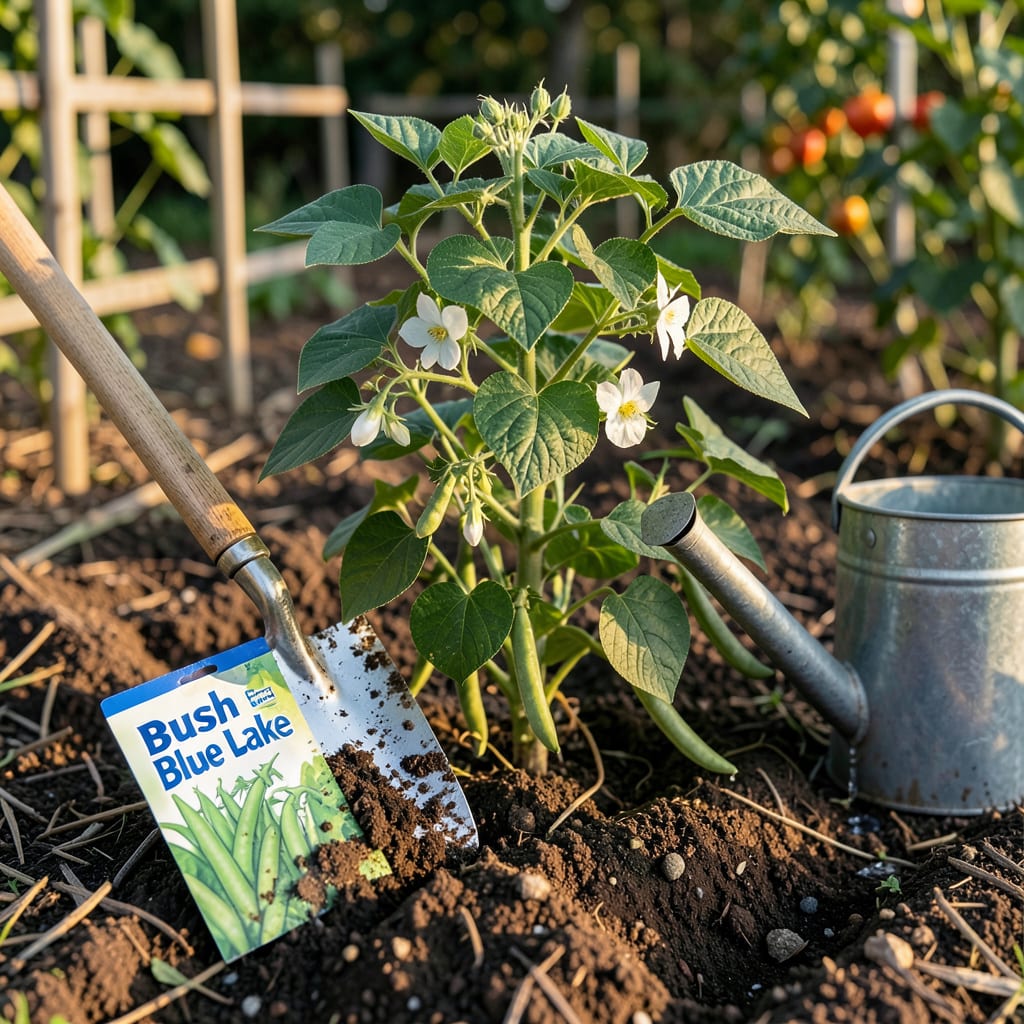
Timing your 🌱 Green Beans just right in Arkansas can mean the difference between a bumper crop and a disappointing harvest. Plant too early, and late frost might ruin your seeds; wait too long, and you’ll battle summer’s scorching heat.
After years of testing (and a few failed attempts), I’ve nailed down the perfect window for Arkansas gardeners. Whether you’re in the Delta or the Ozarks, I’ll show you exactly when to plant—and how to trick your soil for faster germination. Let’s get those beans thriving.
If you’re planting green beans in Arkansas, timing is your secret weapon. Our state’s diverse climate—from the cooler Ozark Highlands to the warmer Delta region—means planting windows vary. I’ve found that soil temperature (not just air temp) is the game-changer for germination.
In most of Arkansas, you’ll want to aim for two key planting windows: spring (April–May) and fall (August–early September). But here’s the catch: Northwest Arkansas (Zone 6b) has a shorter season than the Delta (Zone 8a), so adjust accordingly.
| Region | USDA Zone | Spring Planting | Fall Planting | Last Frost |
|---|---|---|---|---|
| Northwest (Fayetteville, Bentonville) | 6b | Mid-April–May | Late July–Aug 10 | April 15 |
| Central (Little Rock, Conway) | 7b | Early April–May | Early Aug–Sept 1 | April 10 |
| Delta (Pine Bluff, Jonesboro) | 8a | Late March–April | Late July–Sept 15 | March 25 |
| Ozarks (Eureka Springs, Harrison) | 6b-7a | Mid-April–May | Late July–Aug 15 | April 20 |
Note: Soil temp should be ≥60°F for germination. Use a soil thermometer!
For spring planting, I always wait until 2 weeks after the last frost. In Little Rock (Zone 7b), that’s around April 10, but in Jonesboro (Zone 8a), you can start as early as late March. Pro tip: Bush beans mature faster (50–55 days), so they’re ideal for short seasons.
Fall planting is trickier—you need to count backward from your first frost date. For example, in Fayetteville, frost hits around October 15, so plant by August 10 to ensure beans mature before cold weather. I love ‘Contender’ for fall; it’s cold-hardy and fast-growing.
If you’re in the Delta region, you’ve got a longer window thanks to warmer soils. But watch out for humidity—it can encourage fungal diseases. I recommend drip irrigation to keep foliage dry and morning watering to prevent mildew.
For pole beans, which take longer to mature (60–70 days), start them 2 weeks earlier than bush beans. They’ll keep producing all season if you harvest regularly and provide a trellis. My favorite variety for Arkansas is ‘Kentucky Wonder’—it thrives in our heat.
Don’t forget succession planting! For a continuous harvest, I sow a new batch of bush beans every 2 weeks until mid-July. This way, you’ll have fresh beans all summer without a glut all at once. Just be sure to stop planting by early August for fall crops.
One mistake I see often? Planting in cold, wet soil. Green beans rot easily in soggy conditions, especially in Arkansas’s clay-heavy soils. If your soil is slow to warm, try raised beds or black plastic mulch to speed things up.
Finally, keep an eye on the 10-day forecast before planting. If nighttime temps are still dipping below 50°F, hold off. Green beans are sensitive to cold, and a late frost can wipe out young seedlings. When in doubt, wait a week—it’s better than replanting! 🌱
If you’ve ever planted green beans in Arkansas only to watch them sulk in cold soil, you know the frustration. The secret isn’t just the calendar—it’s the soil temperature. I’ve learned that beans need ≥60°F soil to sprout reliably, and our clay-heavy ground can be slow to warm.
Here’s the kicker: Air temperature can hit 70°F while your soil lingers at a chilly 50°F. That’s why I always use a soil thermometer (just $10 at garden centers) to check 2 inches deep at 9 AM. If it’s below 60°F, hold off—your seeds will rot before they sprout.
Pro Tip: Combine mulch + raised beds for 20°F warmer soil in early spring!
In Northwest Arkansas, where soils stay cooler longer, I start seeds indoors in peat pots 2 weeks early. Transplant when soil hits 60°F and harden off seedlings first. For Central Arkansas, mid-April is usually safe, but I’ve had better luck waiting until soil reads 65°F for faster germination.
Watch out for overwatering in warm soil—it’s a common mistake. Once temps hit 70°F+, beans need 1 inch of water weekly, but drip irrigation beats overhead sprinklers to prevent fungal issues. In humid summers, I water at dawn so foliage dries by noon.
For fall planting, soil temps drop fast after September. Use clear plastic mulch to retain heat, and choose fast-maturing varieties like ‘Blue Lake Bush’ (50 days). If your soil dips below 60°F at night, cover seedlings with floating row covers to buy extra time.
Still unsure? The University of Arkansas Cooperative Extension offers free soil temp maps. Or try this old-timer’s trick: If you can comfortably sit barefoot on the soil for 10 seconds, it’s warm enough for beans! When in doubt, wait 3 more days—patience pays off with stronger plants. 🌱
Even experienced gardeners in Arkansas can make mistakes that set back their green bean harvests. The most common error I see? Planting too early in cold soil. Green beans need ≥60°F soil to germinate, and our Arkansas springs can be deceiving—warm days but chilly nights.
Another big issue is ignoring variety differences. Bush beans mature in 50–55 days, while pole beans take 60–70 days. If you plant them at the same time, your pole beans may not mature before fall frost. I always start pole beans 2 weeks earlier than bush types for a staggered harvest.
Quick Fix: If you’ve already planted in cold soil, cover with row fabric to trap heat and speed germination.
Many gardeners also misjudge fall planting. In Fayetteville (Zone 6b), you must plant by August 10 to beat frost. I use the “days to maturity” + 14 rule: Add 14 days to your bean’s maturity date, then count backward from your first frost date. This buffers unexpected cold snaps.
Poor soil prep is another harvest killer. Arkansas’s clay soil drains poorly and compacts easily. I amend my beds with 2 inches of compost and 1 inch of sand to improve drainage. For containers, use a mix of 60% potting soil and 40% compost for best results.
Finally, don’t forget to harvest regularly. Beans left on the plant too long turn tough and signal the plant to stop producing. I pick every 2–3 days when pods are pencil-thick. Use two hands to snap beans—one to hold the stem, one to pull—to avoid damaging the plant. 🌱
If your beans are flowering but not setting pods, heat stress or poor pollination might be the culprit. In July–August, when temps exceed 90°F, beans often drop blossoms. Provide afternoon shade with shade cloth and keep soil moist to help them recover.
In Zone 6b (like Fayetteville), wait until mid-April—after the last frost date of April 15. Planting earlier risks frost damage. Use a soil thermometer to confirm temps are ≥60°F before sowing.
Check 2 inches deep with a soil thermometer at 9 AM. If it reads below 60°F, wait. A quick test: Sit barefoot on the soil—if it feels chilly, it’s too cold for beans.
Yes! For fall harvests, plant by early August in Central Arkansas or late July in the Ozarks. Choose fast-maturing varieties like ‘Contender’ (50 days) to beat frost.
Cold or soggy soil is likely the culprit. Seeds rot below 60°F. Try covering with black plastic mulch to warm the soil, or replant in raised beds for better drainage.
Yes! Start pole beans 2 weeks earlier—they take 60–70 days to mature vs. 50–55 days for bush types. In the Delta, plant pole beans by late March; in the Ozarks, wait until mid-April.
