
Beautiful Plants For Your Interior
Beautiful Plants For Your Interior
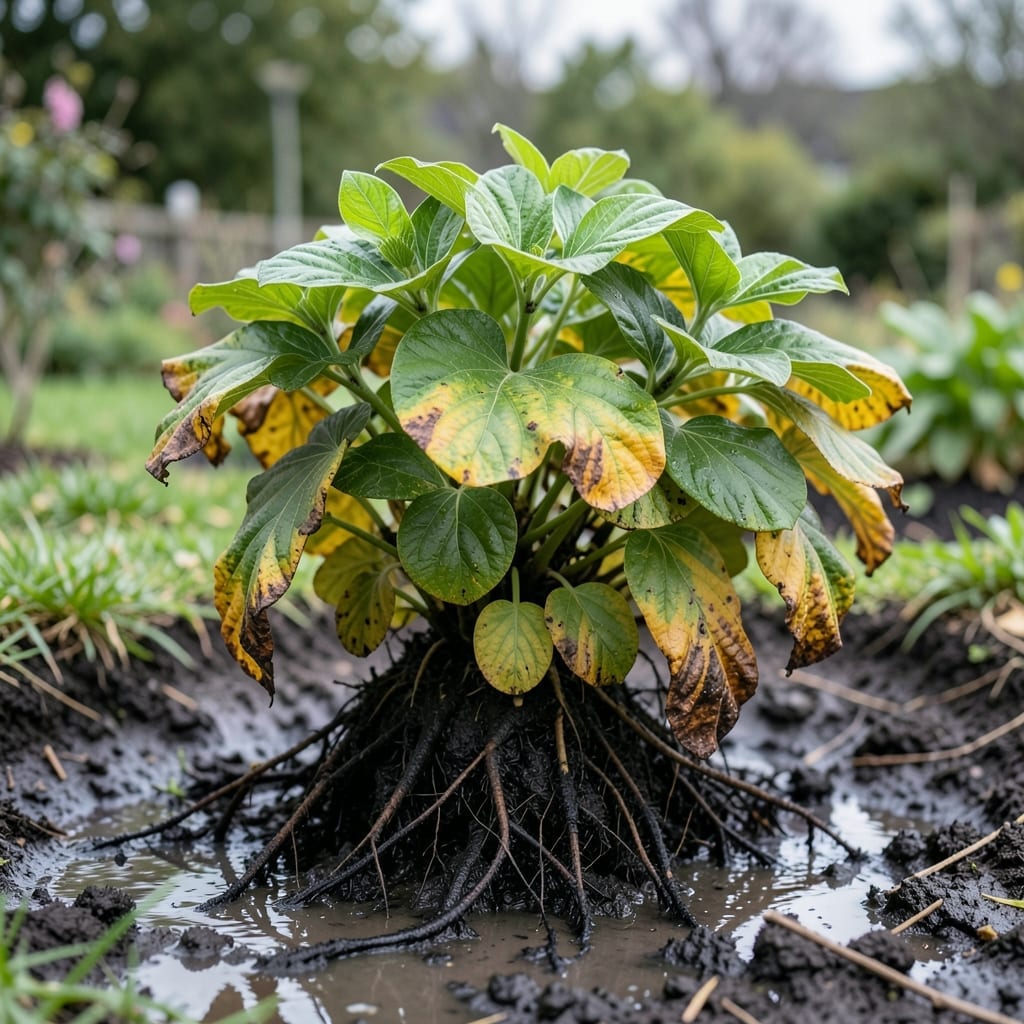
My fatsia’s leaves turned yellow and droopy overnight. Turns out, I’d been loving it to death with too much water. The soil stayed soggy, the roots suffocated, and the whole plant looked like it was giving up.
Here’s the thing—fatsias are tough, but they hate wet feet. The fix isn’t complicated: stop watering immediately, check the roots for rot, and let the soil dry out completely between drinks. I saved mine with this exact approach.
You’ll see improvement in 1-2 weeks if the roots aren’t too far gone. New growth starts looking perky, and those dramatic leaves regain their glossy finish. The plant bounces back stronger than before.
Prevention is simpler than the cure. Use well-draining soil, pots with holes, and water only when the top 2 inches of soil feel dry. That’s all it takes.
Overwatering your Fatsia japonica often stems from a few key missteps in care. Below are the most frequent culprits behind soggy soil and drooping leaves.
This plant thrives in consistently moist but well-draining soil. When watered too often—especially in cool or humid conditions—the roots can’t absorb oxygen, leading to root asphyxiation and rot. Fatsia prefers the top 1-2 inches of soil to dry out between waterings.
Heavy or compacted soils (like clay) retain moisture for too long. Even with proper watering habits, poor drainage traps water around the roots. Always use a well-draining potting mix with perlite or sand, and ensure containers have drainage holes.
Larger pots hold more soil, which stays wet longer after watering. Fatsia japonica in an oversized container is prone to waterlogged roots because the plant can’t absorb all the moisture before it stagnates. Choose a pot only 1-2 inches wider than the root ball.
In shady or cold environments, the plant’s metabolic rate slows, reducing its water uptake. Watering on the same schedule as in warm, bright conditions can drown the roots. Adjust watering frequency seasonally—less in winter, more in summer.
If your Fatsia japonica is suffering from overwatering, act fast to revive it. Below are targeted fixes for common symptoms, along with prevention tips to keep your plant thriving.
If leaves are yellow or wilting, the roots may be drowning. Stop watering immediately and check the soil. If it’s soggy, repot the plant in fresh, well-draining potting mix. Use a container with drainage holes to prevent water buildup. For severe cases, trim any mushy, black roots before repotting to encourage healthy regrowth.
Prevention tip: 💡 Water only when the top 1-2 inches of soil feel dry. Use a moisture meter for precision.
Foul-smelling soil or soft, dark roots signal root rot. Remove the plant from its pot, rinse the roots gently, and trim away affected areas with sterilized shears. Repot in clean soil and treat with a copper-based fungicide to prevent fungal spread. Avoid fertilizing until the plant recovers.
Prevention tip: ✨ Ensure pots have drainage holes, and use a gritty mix (e.g., perlite or sand) to improve aeration.
If the soil stays wet for days, move the plant to a shaded, breezy spot to speed up drying. Tilt the pot to let excess water drain, or place it on a rack to improve airflow underneath. For potted plants, consider adding coarse materials like bark or pebbles to the soil mix to enhance drainage.
Prevention tip: 🎯 Water in the morning so excess moisture evaporates during the day.
If leaves are falling, the plant is stressed. Reduce watering frequency and ensure the pot isn’t sitting in a saucer of water. Mist the leaves lightly to maintain humidity without over-saturating the soil. Grouping plants together can also create a microclimate with balanced moisture.
Prevention tip: 🌡️ Use room-temperature water to avoid shocking the roots, and always check soil moisture before watering.
Check for soft, dark brown or black roots and a foul odor from the soil. Healthy roots are firm and white or light tan.
Yes, if some healthy roots remain. Trim all rotten roots, repot in fresh soil, and avoid watering for 1 week to let it recover.
Use a blend of 60% potting mix with 40% perlite or coarse sand. This prevents waterlogging while retaining enough moisture.
Reduce watering to every 2-3 weeks in cool months. Always check that the top 2 inches of soil are dry first.