
Beautiful Plants For Your Interior
Beautiful Plants For Your Interior
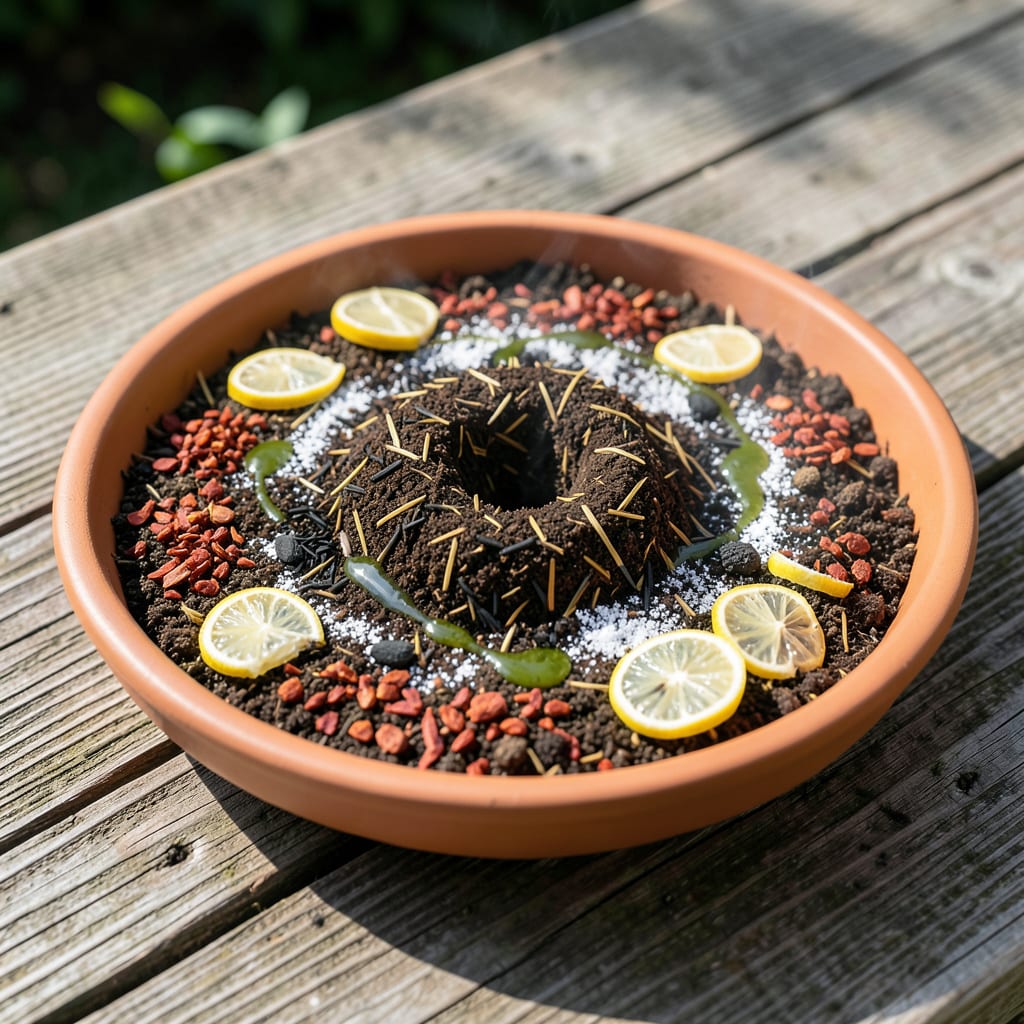
White powdery patches or dark spots on soil mean trouble. Soil fungus can spread fast, turning healthy beds into problem zones overnight.
I’ve dealt with my share of fungal issues—usually from overwatering or poor drainage. The fix often starts with better airflow and less moisture, but sometimes you need stronger solutions.
Natural options like cinnamon or compost tea work for mild cases. For stubborn problems, targeted fungicides might be necessary to stop the spread.
Prevention is simpler than treatment: well-draining soil, proper spacing, and consistent care keep fungus from taking hold in the first place.
Soil fungus often appears when conditions favor its growth. Understanding the root causes helps you prevent and address it effectively. Here’s why it happens:
Fungi thrive in damp environments. Overwatering, poor drainage, or heavy clay soils can create a waterlogged area where fungal spores multiply rapidly. Stagnant water reduces oxygen in the soil, stressing plant roots and making them more susceptible to infection.
Most soil-borne fungi, like Fusarium or Phytophthora, flourish in temperatures between 75–85°F (24–29°C) with high humidity. These conditions accelerate spore germination and spread, especially in greenhouses or shaded garden spots.
Soil lacking beneficial microbes or organic matter is more prone to fungal overgrowth. Low biodiversity weakens the soil’s natural defenses, allowing pathogenic fungi to dominate. Compacted or nutrient-poor soil also stresses plants, making them easier targets.
Fungal spores can survive on dead leaves, roots, or compost. If infected plant material isn’t removed, it reintroduces spores into the soil, perpetuating the cycle. Crop rotation and proper debris cleanup are key to breaking this pattern.
Using unsterilized gardening tools or introducing contaminated soil (e.g., from a nursery) can spread fungal pathogens. Always disinfect tools with rubbing alcohol and source soil from reputable suppliers.
Tackling soil fungus starts with identifying the root cause and applying the right fix. Here’s a practical breakdown of common issues and their solutions, plus prevention tips to keep your soil healthy long-term.
Fungus thrives in soggy soil. If poor drainage is the culprit, amend the soil with organic matter like compost or sand to improve aeration. For potted plants, ensure containers have drainage holes. Prevention tip: 💡 Water only when the top inch of soil feels dry.
Decaying leaves or plant debris can harbor fungal spores. Clear away dead material and replace the top layer of soil if heavily infested. Prevention tip: ✨ Regularly clean garden beds and avoid letting organic matter pile up.
Fungus often takes hold in soil lacking proper nutrients. Test your soil and adjust with a balanced fertilizer or organic amendments like neem cake or bone meal. Prevention tip: 🎯 Rotate crops annually to prevent depletion of specific nutrients.
For stubborn fungal infections, use natural fungicides like copper-based sprays or sulfur, or opt for chemical treatments if the infestation is severe. Always follow label instructions. Prevention tip: 🌡️ Avoid over-fertilizing, which can weaken plants and make them more susceptible.
With these targeted fixes and a little consistency, you can restore your soil’s health and keep fungus at bay.
Look for white, yellow, or dark patches on soil or plant stems. Wilting or yellowing leaves despite adequate water are also red flags. Foul odors or moldy smells often indicate fungal growth below the surface.
Yes! A sprinkle of cinnamon or a spray of 1 part hydrogen peroxide to 10 parts water can combat mild cases. Baking soda mixed with water also works as a gentle fungicide for early infections.
Natural remedies may show results in 1-2 weeks, while chemical fungicides often act within 24-48 hours. Consistency is key—reapply treatments as directed for full effectiveness.
It can if the root cause isn’t addressed. Improve drainage, reduce humidity, and remove infected debris to prevent recurrence. Regular soil testing helps catch imbalances early.
