
Beautiful Plants For Your Interior
Beautiful Plants For Your Interior
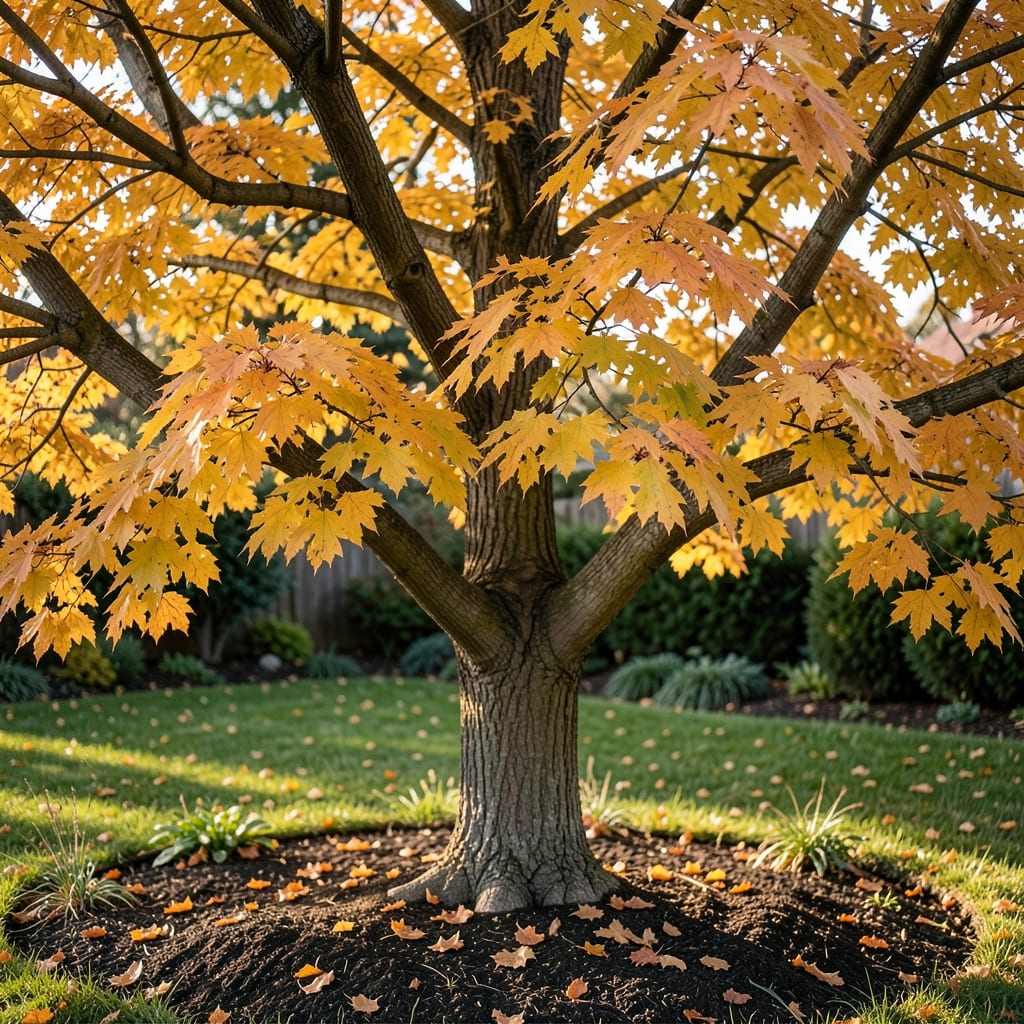
There’s nothing like the first glimpse of golden leaves in autumn. I still remember the shock of seeing my maple turn from green to pure sunlight overnight.
These trees don’t just change color—they transform your whole landscape. With the right care, you can keep that vibrant gold looking sharp all season long.
📚 In This Guide
Here’s how to recognize and maintain these stunning seasonal trees with confidence.
Start by examining the leaf shape—Fall Gold leaves are typically palmate with 5-7 lobes, resembling an open hand. The edges are slightly serrated, and the base is rounded. In autumn, they transition from deep green to a radiant golden-yellow, often with hints of orange or red as the season progresses.
Check the leaf size, which averages 4-6 inches wide. The color change begins at the outer edges and moves inward, creating a stunning gradient. If the leaves are smaller or lack the distinct lobe structure, you might be looking at a different species like birch or hickory.
The bark of a Fall Gold tree is smooth and silver-gray when young, developing shallow furrows as it matures. Look for a rounded crown with branches that spread outward and slightly upward, forming a broad, vase-like shape. This structure is especially noticeable in open areas where the tree has room to grow.
A mature Fall Gold tree can reach 40-60 feet tall with a spread of 30-50 feet. The branches often have a slightly drooping habit, particularly at the tips. If the bark is rough or the tree has a narrow, columnar shape, it’s likely not a Fall Gold.
In spring, Fall Gold leaves emerge as bright green with a slight reddish tint. By summer, they deepen to a rich green, providing dense shade. The real show begins in early fall when the leaves start their transformation. The first hint of gold appears in late September, with peak color typically occurring in mid-October.
Watch for seed pods, which are small, winged samaras that appear in late summer and persist into winter. These pods are a key identifier, as they hang in clusters and twirl to the ground like tiny helicopters. If you spot these alongside the golden leaves, you’ve confirmed a Fall Gold.
Fall Gold trees thrive in full sun to partial shade and prefer moist, well-drained soil. They are adaptable but perform best in slightly acidic to neutral soil pH. Water young trees deeply once a week, especially during dry spells, to encourage a strong root system.
Mulch around the base with 2-3 inches of organic mulch, keeping it 6 inches away from the trunk to prevent rot. Prune only to remove dead or crossing branches, as Fall Gold trees have a naturally attractive shape. Avoid heavy pruning, which can stress the tree and reduce its autumn color display.
Fall Gold trees are relatively low-maintenance but can be susceptible to aphids, scale insects, and leaf spot diseases. Inspect the leaves regularly for signs of yellowing, brown spots, or sticky residue, which may indicate pest activity.
If you notice issues, treat with horticultural oil or neem oil in the early stages. Ensure good air circulation around the tree to minimize fungal problems. A healthy Fall Gold tree with proper care will reward you with breathtaking golden foliage year after year.
Small details make the difference between good and spectacular autumn displays.
The Lighting Factor: Morning sunlight is particularly effective at intensifying those golden hues, as mentioned in Step 3. I’ve noticed the most vibrant displays occur when trees receive full sun for at least the specified 6 hours daily, with morning light being the most impactful for color saturation.
Color Change Timing: The transition from green to gold over 10-14 days is most dramatic during periods of cool nights at 50°F paired with sunny days. Track this progression carefully, as the timing aligns perfectly with nature’s rhythms when these conditions are met.
Watering Wisdom: Deep watering once weekly if rainfall is less than 1 inch, as outlined in Step 4, prevents drought stress that can cause premature leaf drop. However, avoid overwatering—soggy soil leads to root issues that manifest as uneven color development, which defeats the purpose of your careful maintenance.
Mulching Technique: Apply that 2-3 inch layer of organic mulch around the base, but remember to keep it 6 inches away from the trunk. This simple step protects roots from temperature fluctuations and maintains vigor for next year’s display without risking moisture-related bark issues.
Gold leaves usually peak in early to mid-fall, around late September to October, depending on your climate and tree species. Cooler temperatures and shorter days trigger the color change.
Brown leaves may indicate stress from drought, disease, or nutrient deficiency. Ensure proper watering and soil health. Some species naturally turn bronze or rust rather than bright gold.
Popular trees for golden fall leaves include Ginkgo, Aspen, Birch, and Honey Locust. Each offers unique shades, from deep amber to shimmering yellow.
Press leaves between heavy books or use a leaf preservative spray. For long-term storage, keep them in a dry, dark place to prevent crumbling.
No, the process is natural and tied to seasonal changes. However, ensuring your trees are healthy and well-hydrated can help them display their best fall colors.