
Beautiful Plants For Your Interior
Beautiful Plants For Your Interior
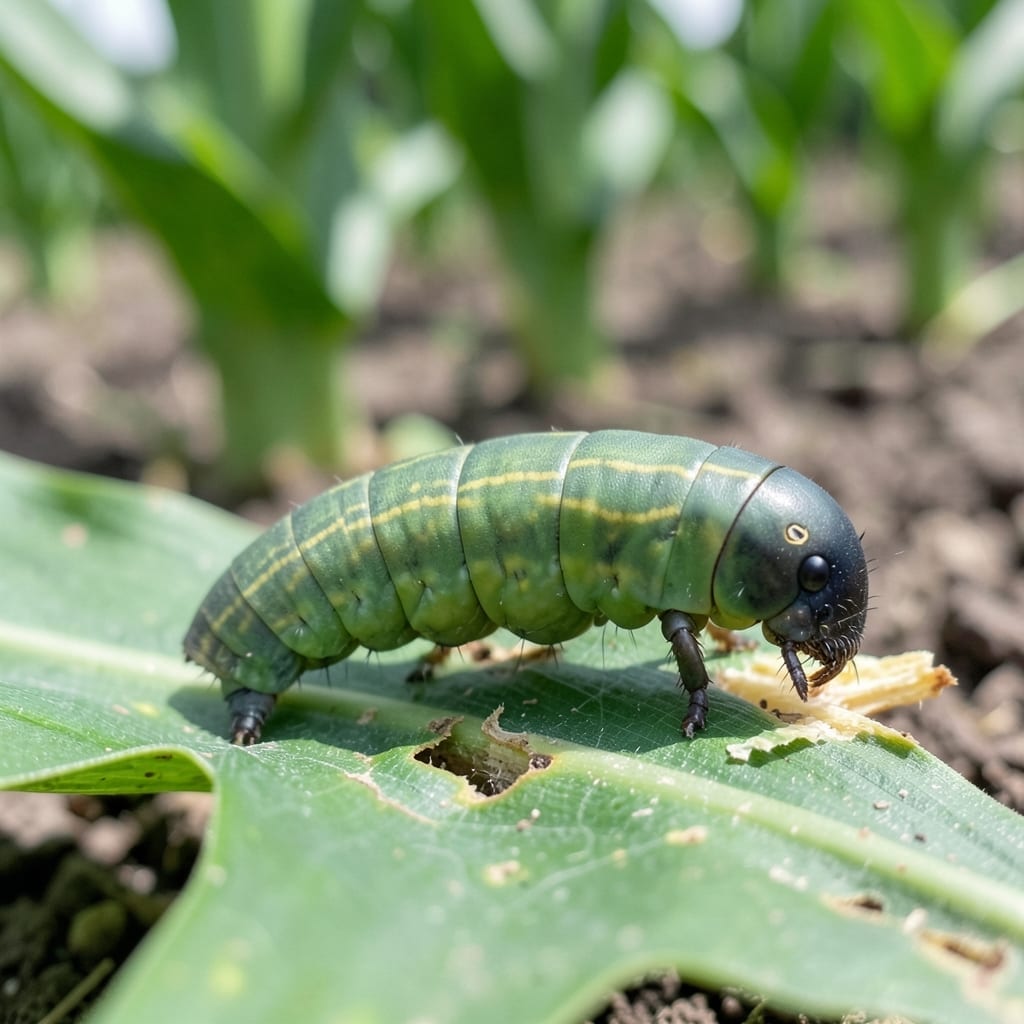
Last summer, I lost half my corn patch overnight to these pests. Fall armyworms hit Texas gardens hard, especially in late summer when they migrate north from overwintering spots.
They’re sneaky—tiny at first, then voracious, chewing through leaves, stems, and even fruit. I learned the hard way that early detection is everything. Look for small, pale stripes on their backs and ragged holes in foliage.
Organic control works if you act fast. I’ve had success with neem oil and Bt (Bacillus thuringiensis), but timing is critical. Spray in the evening when moths are active, and reapply after rain.
Texas heat speeds up their life cycle, so check plants daily once they appear. A little vigilance saves weeks of heartache.
The fall armyworm (Spodoptera frugiperda) thrives in Texas due to a mix of climate, agriculture, and ecological factors. Here’s why outbreaks happen—and how to anticipate them.
Texas’ long growing seasons and high humidity create ideal conditions for fall armyworm survival. These pests reproduce rapidly in temperatures between 77–86°F, with eggs hatching in just 2–3 days. Mild winters allow overwintering populations to persist, leading to early-season infestations.
Fall armyworms are polyphagous—they feed on over 80 plant species, including corn, sorghum, Bermuda grass, and cotton. Texas’ diverse cropping systems and dense pasturelands provide continuous food sources, enabling populations to migrate and multiply across fields.
Adult moths can travel up to 300 miles in a single night, often hitching rides on storm fronts from southern regions like Mexico or the Gulf Coast. Texas’ frequent summer storms accelerate their spread, introducing new generations to uninfested areas.
Monoculture farming (e.g., large corn or sorghum fields) and reduced crop rotation eliminate natural predators and create vulnerable, high-density food sources. Additionally, overuse of broad-spectrum insecticides can kill beneficial insects, leaving armyworms unchecked.
Taking action against fall armyworm in Texas starts with targeted solutions for each stage of infestation. Below are practical, easy-to-follow fixes, along with prevention tips to keep your crops safe.
Check your fields daily for small larvae or egg masses on leaves. Handpick and drop them into soapy water to kill them instantly. For larger areas, use pheromone traps to monitor moth activity. Early removal prevents rapid spread.
Encourage beneficial insects like parasitic wasps, lacewings, and ground beetles by planting nectar-rich flowers nearby. Apply Bacillus thuringiensis (Bt)—a natural bacteria—to young larvae for effective organic control. Row covers can also physically block moths from laying eggs.
For heavy infestations, use neem oil or spinosad sprays, focusing on the undersides of leaves. Rotate crops with non-host plants like legumes to break the armyworm lifecycle. Till the soil after harvest to expose and destroy pupae.
Stay vigilant, and combine these methods for long-term protection against fall armyworm in Texas.
Corn, sorghum, and Bermuda grass are top targets. They also attack cotton, rice, and many vegetable crops during outbreaks.
Large larvae can consume 80% of a plant in 24-48 hours. A single acre may be defoliated in just 3-5 days if left unchecked.
Late summer to early fall is peak season. Warm temperatures and storms from the Gulf help moths spread rapidly across Texas.
They can, but resistance is growing. Organic options like Bt or neem oil are often more sustainable for home gardeners.