
Beautiful Plants For Your Interior
Beautiful Plants For Your Interior
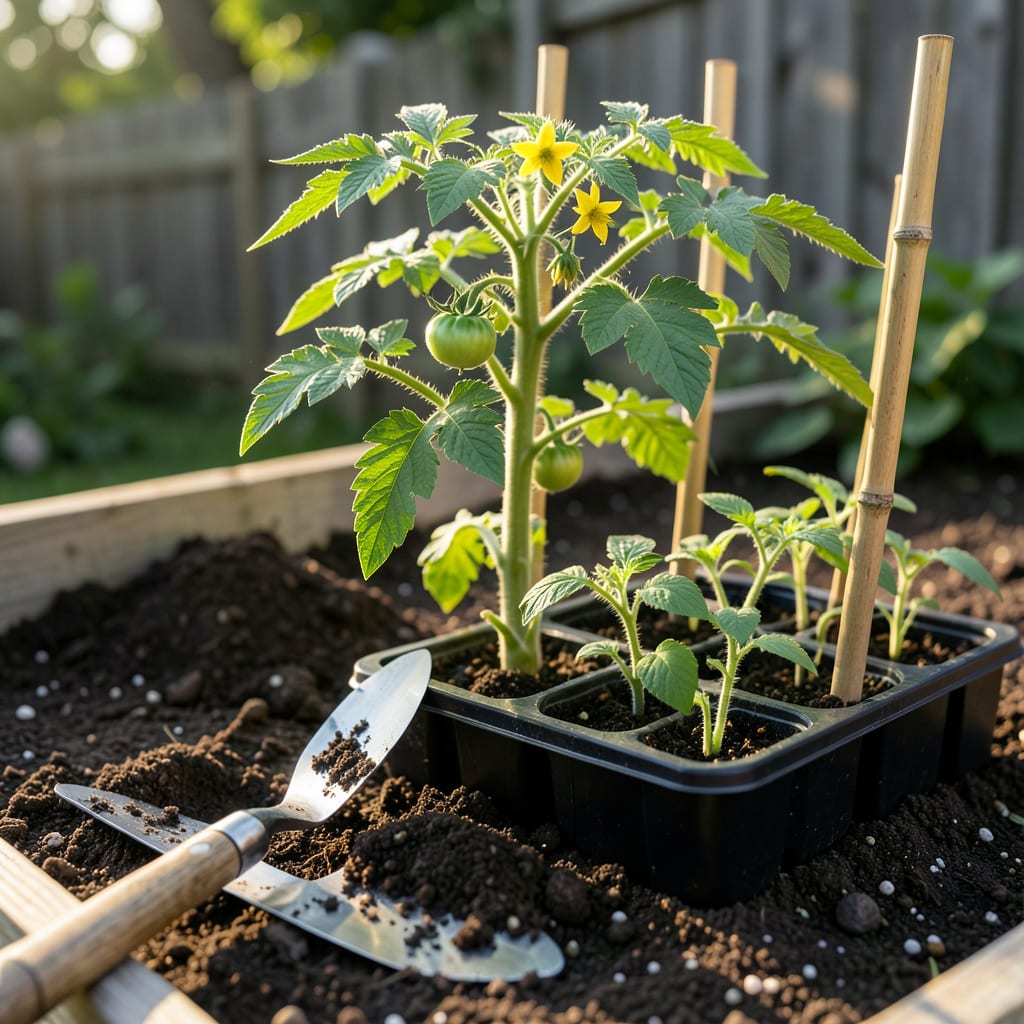
Timing your fall tomato planting in Texas can mean the difference between a bountiful harvest and a disappointing season. Plant too early, and the summer heat will scorch your seedlings; plant too late, and frost will steal your fruit before it ripens.
After years of testing and tweaking, I’ve nailed down the perfect window for Texas gardeners. Whether you’re in Dallas, Austin, or the Gulf Coast, I’ll show you exactly when to get those 🍅 seedlings in the ground for juicy, homegrown tomatoes before winter arrives.
Texas’s massive size means your fall tomato planting window varies dramatically depending on where you live. In North Texas, you’ll want to start earlier than gardeners along the Gulf Coast, where heat lingers longer. The key is counting backward from your first frost date—aim for 60–90 days before that magic number.
For most of Texas, that means getting seedlings in the ground between late July and mid-September. But don’t just grab any tomato plant—you’ll need fast-maturing varieties that can beat the frost. Below, I’ve broken down the ideal timing by region so you can plan with confidence.
| Region | First Frost Date | Planting Window | Best Varieties |
|---|---|---|---|
| North Texas (Dallas, Fort Worth) | Nov 1–15 | July 20–Aug 15 | Celebrity, Heatmaster |
| Central Texas (Austin, San Antonio) | Nov 15–30 | Aug 1–Sep 1 | Solar Fire, Bush Early Girl |
| Gulf Coast (Houston, Corpus Christi) | Dec 1–15 | Sep 1–20 | Tycoon, Phoenix |
| West Texas (El Paso, Lubbock) | Oct 15–30 | Aug 15–Sep 10 | Early Doll, Patio |
🌱 Pro Tip: Start seeds indoors 6–8 weeks before transplanting to get a head start!
If you’re in North Texas, your window is the earliest—think late July to mid-August. This gives plants time to establish before cooler nights arrive. Gardeners in Central Texas can push planting to early September, while those on the Gulf Coast might even sneak in a late-September planting thanks to their milder winters.
Soil temperature is just as important as air temperature. Use a soil thermometer to confirm readings between 60–70°F before planting. If your soil is still too hot, seedlings may struggle with blossom drop or stunted growth. A quick fix? Lay down mulch or shade cloth to cool the root zone.
For those in West Texas, your shorter growing season means sticking to early-maturing varieties like ‘Early Doll’ or ‘Patio.’ These compact plants thrive in containers too, making them perfect for small spaces or unpredictable weather. Just be sure to harden off seedlings before transplanting to avoid shock.
Don’t forget to check your local extension office for hyper-local frost dates. Texas A&M AgriLife provides county-specific data that can fine-tune your timing. If you’re planting transplants from a nursery, choose stocky, dark-green seedlings—they’ll adapt faster than leggy, overgrown ones.
Watering is critical in Texas’s late-summer heat. After planting, give your tomatoes a deep soak every 3–4 days until established. Drip irrigation works best to keep foliage dry and prevent disease. And if you’re dealing with clay soil, amend with compost to improve drainage and root growth.
Finally, watch the 10-day forecast as your planting window approaches. If a heatwave is predicted, delay transplanting or provide temporary shade. Tomatoes planted during extreme heat (above 95°F) often fail to set fruit, so patience pays off.
By following these region-specific guidelines, you’ll set your fall tomatoes up for success—just in time for holiday salsa and salads! Remember, the goal is to harvest before the first frost, so mark your calendar and start counting backward today.
Even with perfect timing, Texas gardeners can still sabotage their fall tomato crop by making a few common errors. I’ve seen it happen too many times—healthy seedlings planted with hope, only to wilt under late-summer heat or succumb to early frost. Let’s tackle the top three pitfalls so you can avoid them.
The biggest mistake? Planting too early when Texas heat is still blazing. Tomatoes struggle to set fruit when daytime temps exceed 90°F, leading to blossom drop. If your seedlings look stressed—yellowing leaves or curled edges—it’s a sign they’re baking, not thriving. Wait until soil temps dip below 85°F for best results.
🌱 Quick Fix: If you’ve already planted in hot soil, add shade cloth (30–50%) until temps cool.
Another costly error is ignoring soil prep. Texas soils—especially clay-heavy or alkaline types—need amending before planting. Work in 2–3 inches of compost and a balanced fertilizer (like 10-10-10) to give roots a nutrient boost. Without this, plants may grow slowly or develop blossom end rot from calcium deficiency.
Gardeners also overlook watering consistency in fall’s unpredictable weather. One week it’s drought-dry, the next it’s flooding. Tomatoes need 1–1.5 inches of water weekly, delivered at the base to avoid fungal diseases. Drip irrigation or soaker hoses work best—just set a timer to remind you during dry spells.
Finally, don’t forget to monitor pests like hornworms and whiteflies, which thrive in Texas’s warm falls. Inspect plants every 2–3 days and handpick pests or spray with neem oil at the first sign of damage. A small infestation can decimate a crop in weeks if left unchecked.
By sidestepping these mistakes, you’ll give your fall tomatoes the best shot at thriving. Remember: Texas falls are short, so every day counts. Stay vigilant, adjust as needed, and you’ll be rewarded with plump, flavorful tomatoes just in time for the holidays! 🪴
Not all tomatoes thrive in Texas’s short fall season, where heat lingers and frost arrives fast. You’ll need varieties that mature in 60–75 days and handle temperature swings. After testing dozens, I’ve narrowed it down to the top performers for Texas gardeners.
Look for heat-tolerant and disease-resistant types like ‘Celebrity’ or ‘Heatmaster.’ These varieties set fruit even when nights stay warm, and they’ll ripen before your first frost. Avoid heirlooms with long maturity times—they simply won’t make it in Texas falls.
| Variety | Days to Maturity | Fruit Size | Key Traits |
|---|---|---|---|
| Celebrity | 70 days | 6–8 oz | Disease-resistant, reliable producer |
| Heatmaster | 68 days | 8–12 oz | Heat-tolerant, great for containers |
| Solar Fire | 62 days | 6–8 oz | Early producer, crack-resistant |
| Bush Early Girl | 54 days | 4–6 oz | Compact, ideal for small spaces |
| Tycoon | 60 days | 8 oz | High yield, disease-resistant |
🌱 Pro Tip: For Gulf Coast gardeners, ‘Phoenix’ (65 days) handles humidity exceptionally well!
If you’re in North or West Texas, prioritize early-maturing varieties like ‘Bush Early Girl’ or ‘Tycoon.’ These will ripen before your earlier frosts. Gulf Coast gardeners can push the envelope slightly with ‘Phoenix,’ which thrives in humid conditions.
For container gardeners, ‘Heatmaster’ and ‘Patio’ are stars—they stay compact but pump out full-sized fruit. Just ensure pots are at least 5 gallons and use a well-draining potting mix amended with compost. Dwarf varieties like ‘Tiny Tim’ (50 days) are another great option for balconies.
Disease resistance matters in Texas’s warm, wet falls. Look for varieties labeled VFN (resistant to Verticillium, Fusarium, and Nematodes). ‘Celebrity’ and ‘Solar Fire’ both carry this protection, reducing the need for sprays. Pair them with crop rotation to keep soil healthy year after year.
Don’t overlook cherry tomatoes like ‘Sweet 100’ (60 days) for snacking. Their small size means faster ripening, and they’re less prone to cracking in Texas’s temperature fluctuations. Train them on a trellis to save space and improve air circulation, which cuts down on fungal issues.
In North Texas, aim for mid-August plantings to harvest before November frosts. Gulf Coast gardeners can push to late September thanks to milder winters. Always count backward 60–75 days from your first frost date for safety.
Choose compact varieties like ‘Patio’ or ‘Bush Early Girl’ and use 5-gallon+ pots with drainage. Place in full sun (6+ hours daily) and water every 2–3 days—containers dry out faster than ground soil.
This usually happens when night temps stay above 75°F or days exceed 90°F. Provide afternoon shade and ensure consistent watering. Heat-tolerant varieties like ‘Solar Fire’ handle these swings better than most.
Cover young plants with floating row covers to block pests like whiteflies. Spray neem oil weekly at dusk if you spot damage. Handpick hornworms early—they can strip a plant overnight!
Use a balanced 10-10-10 fertilizer at planting, then switch to low-nitrogen (5-10-10) once fruit sets. Avoid heavy feeding in September—it promotes foliage over fruit before frost.
