
Beautiful Plants For Your Interior
Beautiful Plants For Your Interior
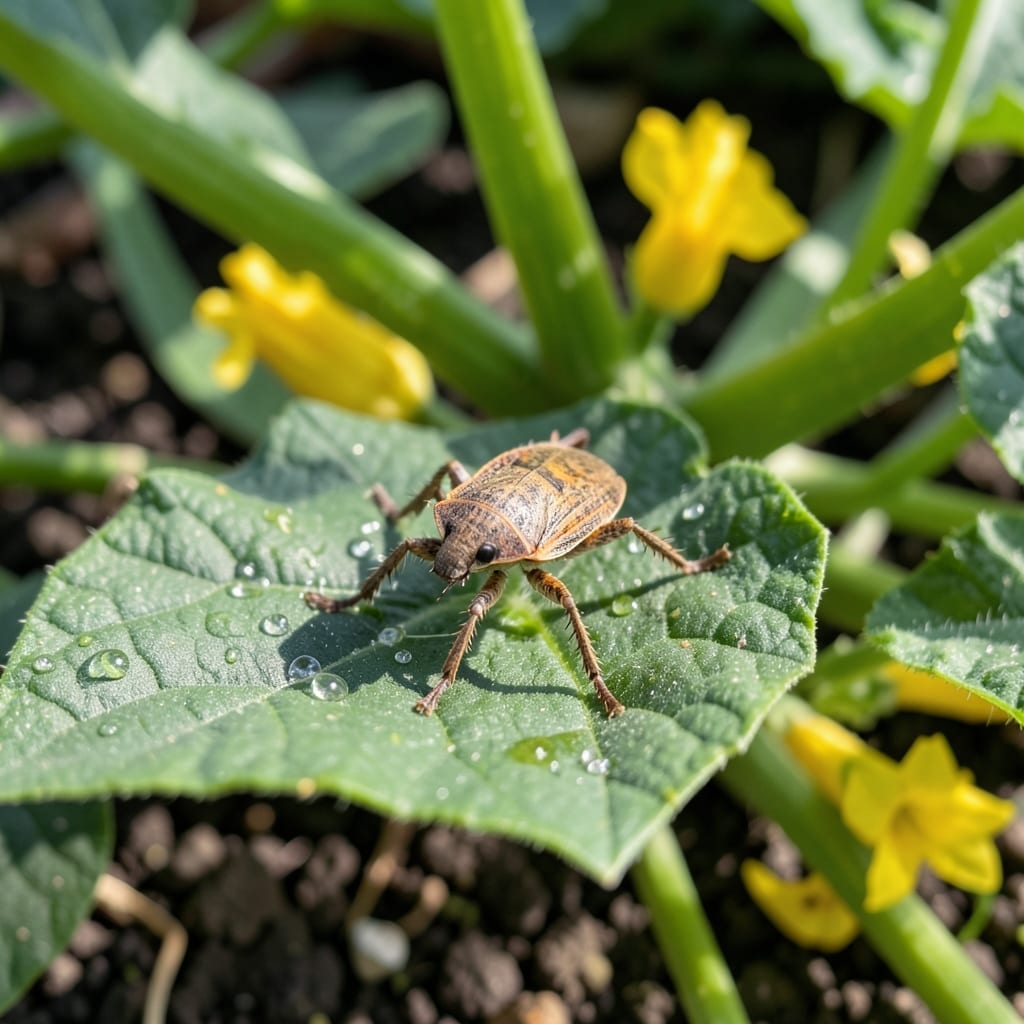
Squash bugs destroyed my zucchini patch last summer. I tried everything until discovering essential oils as a simple solution to protect plants without harsh chemicals.
This method works because certain oils disrupt the bugs’ life cycle while leaving beneficial insects unharmed. You’ll need just a few drops mixed with water and a spray bottle for application.
Within 24 hours, you’ll notice fewer bugs and less damage to your squash vines. The plants recover quickly, and you’ll see new growth within days.
Safe for organic gardens and easy to make at home. Here’s how to mix and apply these natural defenses.
Squash bugs (Anasa tristis) are a common garden pest, but understanding why they appear can help you tackle the problem at its root. These pests are drawn to your garden for specific biological and environmental reasons, and addressing these causes can reduce their presence—sometimes even before they become a major issue.
Squash bugs are highly specialized feeders, targeting plants in the Cucurbitaceae family, such as squash, pumpkins, cucumbers, and melons. These plants emit volatile organic compounds (VOCs) that squash bugs detect through their antennae. The bugs are particularly attracted to young, tender plants and those under stress, as these emit stronger signals. Overplanting or monocropping cucurbits can create a buffet-like environment, making your garden irresistible to them.
Squash bugs thrive in warm, humid conditions, which accelerate their life cycle. They seek out mulch, garden debris, or dense foliage for shelter, laying eggs on the undersides of leaves or in soil cracks. Gardens with poor air circulation or excessive ground cover provide ideal hiding spots for both adults and nymphs. Additionally, overwatering can create the damp conditions they love.
In balanced ecosystems, predators like birds, spiders, and parasitic wasps help control squash bug populations. However, pesticide use (even some organic options) can disrupt this balance, killing off beneficial insects while leaving squash bugs unchecked. Gardens with limited biodiversity also lack natural checks, allowing squash bugs to multiply rapidly without interference.
Adult squash bugs overwinter in garden debris, leaf litter, or even indoor storage areas (like sheds or garages). If your garden isn’t cleared of plant residues in the fall, these pests have a cozy place to survive the winter. Come spring, they emerge hungry and ready to infest new cucurbit plants, starting the cycle anew.
Squash bugs can wreak havoc on your garden, but essential oils offer a natural, effective way to combat them. Here’s how to tackle the problem based on common causes, along with prevention tips to keep your plants thriving.
If you notice squash bugs clustering on leaves or stems, a neem oil spray is your go-to. Mix 1 tablespoon neem oil + 1 teaspoon mild soap + 1 quart water and spray directly on bugs and eggs. Reapply every 3-5 days or after rain. Pro tip: 💡 Focus on the undersides of leaves where eggs often hide.
Stop squash bugs before they start by creating physical barriers. Lay row covers over young plants until they flower, or place cardboard collars around seedlings to block adult bugs. Pair this with a weekly essential oil spray (like peppermint or rosemary oil) to deter pests naturally.
Spot copper-colored eggs on leaves? Scrape them off into soapy water, then follow up with a clove or thyme oil spray (10 drops per cup of water). These oils disrupt the bugs’ life cycle while being gentle on plants. Prevention tip: 🌡️ Inspect plants daily—early action saves your harvest!
Boost your garden’s defenses by planting repellent companions like nasturtiums, marigolds, or radishes near squash. Their strong scents confuse pests. For extra protection, add 1-2 drops of citrus oil to your watering can weekly to strengthen plant resilience.
Consistency is key! Rotate essential oils to prevent resistance, and always test sprays on a small area first. With these steps, your garden will stay squash-bug-free naturally. ✨
Peppermint, clove, and thyme oils are most effective. Use 10 drops per 1 cup of water with a teaspoon of soap as a surfactant. These disrupt their life cycle naturally.
Reapply every 3-5 days or after rain. Consistency is key, especially when eggs are present. Always spray in the evening to avoid harming beneficial insects.
Test on a small area first. Most cucurbits tolerate these oils well, but delicate plants may react. Avoid spraying during extreme heat or direct sunlight.
They’re generally safe for bees and ladybugs when used correctly. Spray only affected areas and avoid blooming flowers to protect pollinators.