
Beautiful Plants For Your Interior
Beautiful Plants For Your Interior
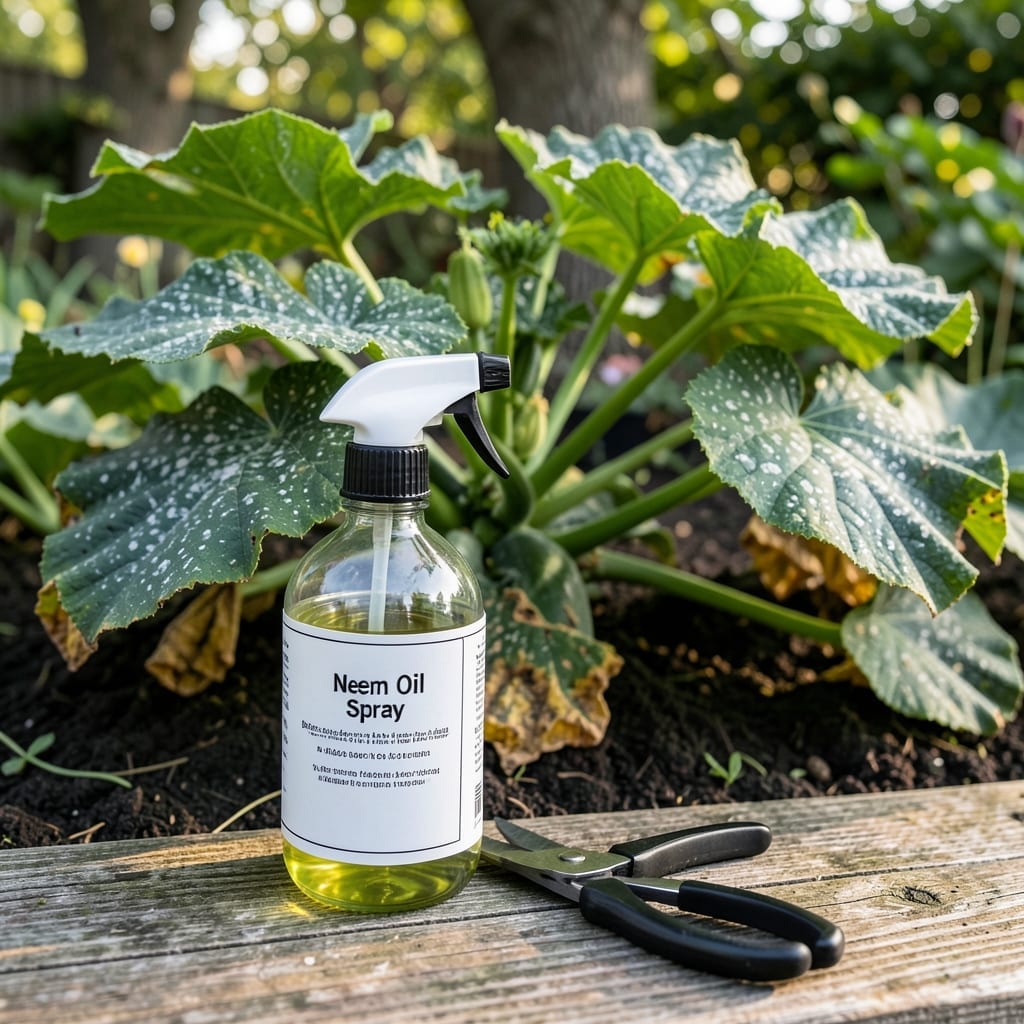
That white dust on your leaves isn’t just unsightly—it’s stealing your plants’ strength. I’ve battled powdery mildew for years, and the natural solutions I’ve landed on restore health without harsh chemicals.
Most gardeners overcomplicate treatment. The key is consistency: remove affected leaves, improve air circulation, and apply simple sprays at the first sign. My zucchini went from dusty to vibrant in 10 days with this routine.
You’ll see new growth emerge clean and strong, with leaves that stay green and productive. The best part? These methods prevent future outbreaks while keeping pollinators safe.
Works for roses, cucumbers, squash—any plant that’s fallen victim. Here’s how to fight back.
Powdery mildew thrives under specific conditions, often catching gardeners off guard. Understanding why it appears is the first step to keeping your plants healthy. Here’s a breakdown of the most common causes:
This fungus flourishes in environments with high humidity (60-80%) but dry foliage. Unlike other fungi, powdery mildew doesn’t require wet leaves to spread—just moist air. Poor air circulation traps humidity around plants, creating the perfect breeding ground. Crowded plantings or dense canopies often worsen the issue.
Some plants are genetically more vulnerable. Cucumbers, squash, roses, and phlox are notorious targets, but even resistant varieties can succumb under stress. Over-fertilizing with nitrogen (promoting lush, soft growth) or under-fertilizing (weakening plant defenses) can increase susceptibility.
Stagnant air allows spores to settle and germinate. This is common in overcrowded gardens, indoor grow spaces, or shaded areas where wind can’t disperse moisture. Pruning to improve airflow and spacing plants properly can significantly reduce risk.
Powdery mildew favors moderate temperatures (60–80°F). Cool nights with warm days (common in spring/fall) speed up its growth. Sudden temperature swings can also stress plants, lowering their resistance to infection.
While the fungus doesn’t need wet leaves to spread, late-day watering can prolong leaf wetness, indirectly aiding spore germination. Watering at the base of plants and avoiding evening sprinkles helps keep foliage dry.
Powdery mildew doesn’t have to spell the end for your garden. Here’s how to tackle it head-on, based on the root cause:
Trim overcrowded branches and thin out dense foliage to improve airflow. Space plants according to their mature size to prevent humidity buildup. Pro tip: Water at the base of plants to keep leaves dry.
Water in the early morning so leaves dry quickly. Avoid overhead watering, and use drip irrigation if possible. If humidity is unavoidable, consider a small fan to keep air moving.
If powdery mildew keeps returning, swap out high-risk plants for resistant varieties (e.g., mildew-resistant zucchini or roses). Check seed packets or plant tags for disease resistance.
Mix 1 tablespoon baking soda + 1 teaspoon dish soap + 1 gallon water and spray weekly. Neem oil (diluted per label) also works wonders. Apply in the evening to avoid leaf burn.
Consistency is key! Repeat treatments and preventive steps to keep your garden thriving. ✨
Apply baking soda or neem oil sprays every 7-10 days as prevention. For active infections, spray every 3-5 days until symptoms disappear. Always apply in the evening to avoid leaf burn.
Yes, but dilute it properly: mix 3 tablespoons apple cider vinegar + 1 gallon water. Test on a small area first, as undiluted vinegar can harm plants.
Yes, spores travel easily via wind or tools. Isolate infected plants and avoid working with them when wet. Clean pruners with rubbing alcohol between uses.
Spores overwinter in soil or plant debris. Remove all fallen leaves in autumn and rotate crops yearly. Improve air flow to prevent recurrence.