
Beautiful Plants For Your Interior
Beautiful Plants For Your Interior
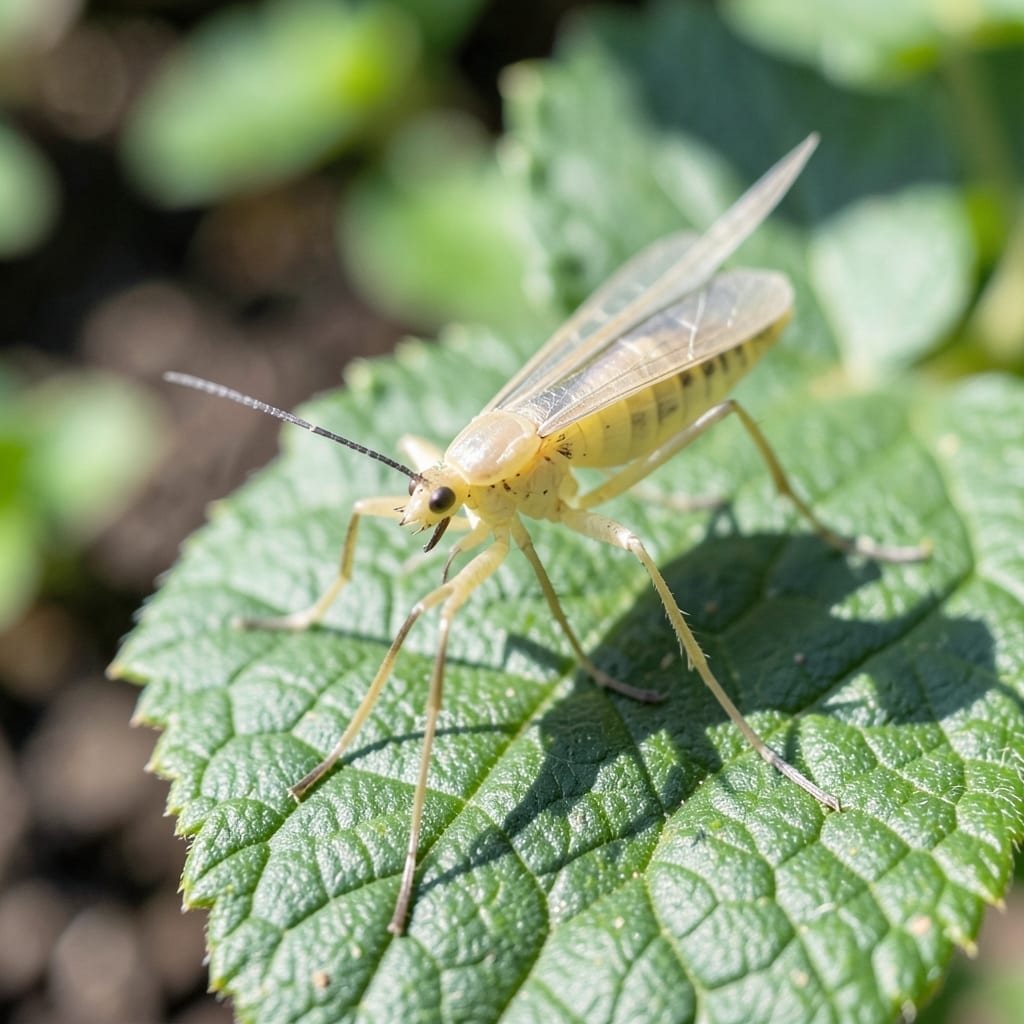
Tiny black flies ruined my seedling trays last spring. An electric gnat trap changed everything with its UV light pulling them in by the dozens.
These devices work 24/7 without chemicals, zapping adult gnats before they can lay eggs in your soil. I placed one near my grow lights and watched the infestation disappear in 3 days.
The trap handles the adults while you address the source—overwatered soil or decaying matter. Together, they break the gnat life cycle completely.
No more yellow sticky traps or messy sprays. Just plug it in and let it do the work while you focus on your plants.
Understanding why gnats swarm toward UV light traps helps optimize their effectiveness. Here’s the science behind the attraction:
Gnats exhibit positive phototaxis, meaning they instinctively move toward light sources. In nature, this behavior helps them navigate using moonlight or sunlight. UV light, which mimics the spectrum of natural light, triggers this response, luring them toward the trap.
Many electric gnat traps emit slight heat alongside UV light. Gnats associate warmth with living hosts (like humans or animals), as body heat signals potential food sources or mating opportunities. The trap’s warmth tricks them into investigating further.
Some advanced traps combine UV light with CO₂ or moisture. Gnats detect these cues as signs of organic matter or decaying material—ideal breeding grounds. Even without additives, the trap’s light can simulate the reflective properties of water, drawing moisture-seeking gnats.
Once lured close, the trap’s electric grid or adhesive surface capitalizes on gnats’ inability to resist the light. The static charge or sticky coating ensures they can’t escape, turning their natural instincts against them.
Gnats can be a persistent nuisance, but with the right approach, you can reclaim your space. Below are targeted solutions to common gnat problems, paired with prevention tips to keep them from returning.
Fix: Eliminate stagnant water sources like pet bowls, plant saucers, or clogged gutters. Empty and dry these areas daily to disrupt breeding cycles.
Prevention Tip: 💡 Use self-watering planters with sealed reservoirs to minimize exposed water.
Fix: Let the top inch of soil dry out between waterings. For severe infestations, repot plants in fresh, sterile soil and discard the old mix.
Prevention Tip: ✨ Add a layer of sand or gravel to the soil surface to deter moisture-loving gnats.
Fix: Take out trash regularly, especially fruit peels and veggie scraps. Clean compost bins weekly with vinegar or soapy water.
Prevention Tip: 🎯 Store compost in a sealed container with a tight lid to block access.
Fix: Install window screens and use fans to improve airflow. Open windows during cooler parts of the day to encourage gnats to leave.
Prevention Tip: 🌡️ Run a dehumidifier in damp areas like basements to reduce moisture gnats thrive in.
For immediate relief, place an electric gnat trap near problem areas. Its UV light lure will attract and zap adult gnats, breaking the cycle while you tackle the root causes above.
Most users notice a reduction within 24-48 hours. For heavy infestations, it may take up to 3 days to see significant improvement as the trap eliminates adult gnats.
Yes, these traps are chemical-free and safe. The electric grid is enclosed, preventing accidental contact. However, place it out of reach to avoid curiosity-driven tampering.
Most models work effectively in both settings. For outdoor use, ensure the trap is weather-resistant or placed under a covered area to protect from rain.
Clean the trap’s grid weekly—dust and debris can reduce effectiveness. Also, check for new breeding sites like overwatered plants or decaying organic matter.