
Beautiful Plants For Your Interior
Beautiful Plants For Your Interior
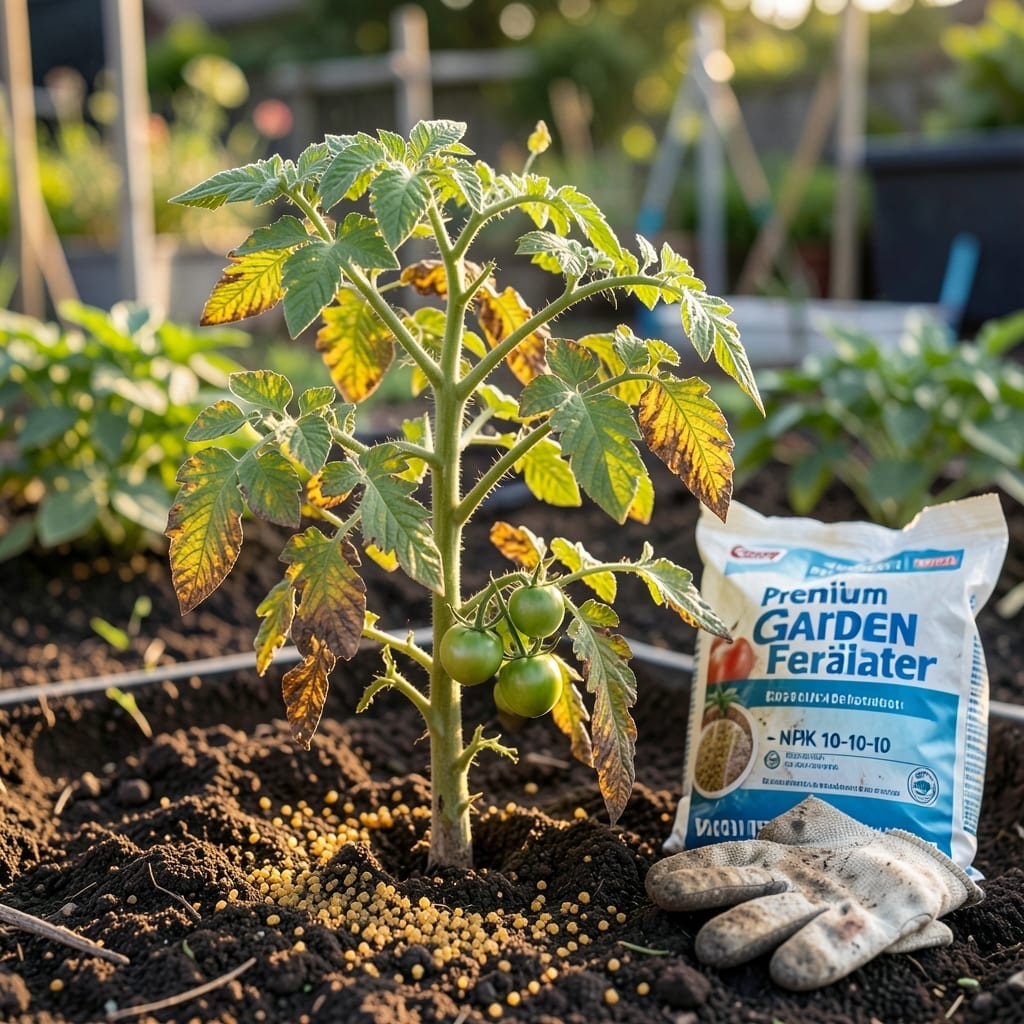
I learned the hard way that more fertilizer doesn’t mean better plants. Brown leaf tips and wilting are classic signs of overdoing it, and they appear faster than you’d expect.
The problem is salt buildup in the soil, which essentially burns your plants from the roots up. It’s like giving them a toxic drink instead of nutrients. I’ve seen healthy plants turn crispy overnight.
Flushing the soil with water can wash away excess salts, but prevention is simpler. Always follow package directions – half-strength is often better than full. Your plants will thank you.
Watch for yellowing between leaf veins or a white crust on soil surface. These are your early warning signs to cut back before damage becomes permanent.
Understanding why excess fertilizer harms plants starts with the science of soil and plant interaction. Fertilizers are designed to provide essential nutrients like nitrogen, phosphorus, and potassium, but overapplication disrupts the delicate balance plants need to thrive. Here’s a breakdown of the key causes:
Most synthetic fertilizers contain soluble salts, which dissolve in water and increase the soil’s osmotic pressure. When fertilizer is overused, these salts build up faster than plants can absorb or rain can wash away. The high salt concentration draws water out of plant roots (a process called reverse osmosis), leading to dehydration and root damage. This is often visible as brown, crispy leaf edges—a classic sign of fertilizer burn.
Plants require a balanced diet of nutrients. Too much of one element—like nitrogen—can block the uptake of others, such as calcium or magnesium. For example, excessive nitrogen promotes rapid leafy growth but weakens stems and reduces flowering. Meanwhile, phosphorus overload can lock out micronutrients like iron or zinc, causing deficiencies even in nutrient-rich soil.
Fertilizers, especially acidic ones like ammonium sulfate, can lower soil pH over time. A dramatic pH shift (below 5.5 or above 7.5) makes essential nutrients unavailable to plants. For instance, iron becomes insoluble in alkaline soil, leading to chlorosis (yellowing leaves with green veins). Testing soil pH regularly helps prevent this silent but damaging effect.
Healthy soil teems with beneficial microbes that break down organic matter and recycle nutrients. Excess fertilizer, particularly synthetic versions, can kill these microbes by altering soil chemistry or directly poisoning them. Without these helpers, plants struggle to access nutrients naturally, creating a dependency on more fertilizer—a vicious cycle.
Too much fertilizer can harm your plants, but the good news is that most issues are reversible with quick action. Below are targeted fixes for common problems, plus tips to prevent future mishaps.
Excess fertilizer salts pull water from roots, causing wilting. To fix this, drench the soil with water until it runs freely from the drainage holes. Repeat 2–3 times over a week to leach out salts. For potted plants, run water through the soil for 5–10 minutes. Prevention tip: 💡 Always water plants before fertilizing to reduce salt concentration.
Yellowing or crispy leaves signal fertilizer burn. Prune damaged foliage with clean shears to redirect energy to healthy growth. Stop fertilizing immediately and resume only when new, green growth appears—usually in 3–4 weeks. Prevention tip: ✨ Use a slow-release fertilizer to avoid nutrient spikes.
If roots are black or mushy, the soil may be toxic. Repot the plant in fresh, fertilizer-free soil, trimming any damaged roots. For mild cases, scrape off the top inch of soil and replace it with clean mix. Prevention tip: 🎯 Always follow package instructions—more isn’t better! Dilute liquid fertilizers to half-strength for sensitive plants.
Over-fertilizing can block essential nutrients like calcium or iron. Use a soil test kit to check levels. If pH is off (ideal: 6.0–7.0 for most plants), amend with lime (to raise pH) or sulfur (to lower it). Prevention tip: 🌡️ Rotate fertilizer types (e.g., switch between nitrogen-heavy and balanced formulas) to avoid depletion.
Pro tip: 💡 When in doubt, under-fertilize. Plants recover faster from too little than too much!
Brown leaf tips or wilting can show up within 24-48 hours of over-fertilizing. Salt burn often appears fastest on new growth.
Yes! Flush the soil with water for 5-10 minutes and remove damaged leaves. Most plants recover in 2-3 weeks.
This signals iron deficiency caused by high soil pH from excess fertilizer. A soil test kit can confirm the issue.
No—even organic options can burn plants if applied too heavily. They release nutrients slower but still require proper dosing.