
Beautiful Plants For Your Interior
Beautiful Plants For Your Interior
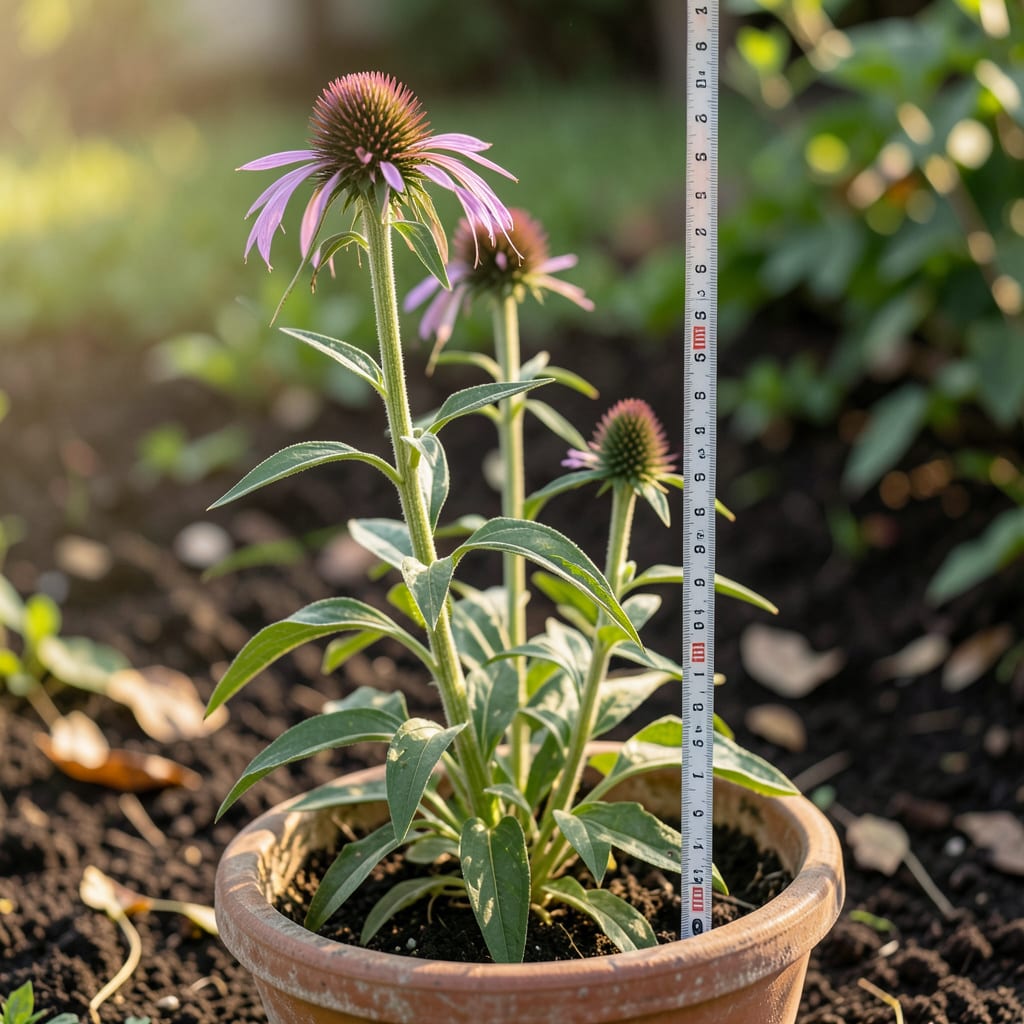
When planting Echinacea 🌼, one of the first questions is: how tall will they grow? These beautiful coneflowers can reach varying heights depending on the species and growing conditions. Understanding their growth habits helps you plan your garden layout effectively.
In USDA Zone 6, you can expect Echinacea plants to grow between 2-4 feet tall. Proper care and placement will ensure they thrive and add beauty to your garden from July to September. Let’s explore the factors that influence their height.


Echinacea plants, commonly known as coneflowers, are popular perennials that add beauty and resilience to any garden. Their height can vary significantly based on several factors, making it essential to understand these influences for proper garden planning 🌼.
The height of Echinacea plants is influenced by factors such as species variation, growing conditions, and cultural practices. Different species have inherent height ranges, while growing conditions like soil quality and sunlight exposure can also impact their growth. Cultural practices, including watering and fertilization, play a crucial role in determining the final height of these plants.
Understanding these factors helps gardeners make informed decisions about plant placement and care. For instance, full sun and well-drained soil can promote healthier growth and potentially taller plants 🔥.
Echinacea plants typically take a few years to reach their mature height. In the first year, they may only grow about 1 foot tall, but by the third year, they can reach their full height of 3-4 feet. This gradual growth pattern is normal for these perennials 🌱.
The USDA Zone also plays a role in Echinacea growth. In Zone 6, where these plants are well-suited, they can thrive and reach their expected height ranges. Gardeners should consider their local climate and zone when planning their Echinacea garden 🌿.
Proper care is essential for Echinacea plants to reach their full potential height. This includes regular watering, especially during dry spells, and fertilizing with a high phosphorus fertilizer to promote blooming and healthy growth 💪.
Echinacea plants are known for their resilience and ability to tolerate some neglect. However, optimal care will ensure they grow to their maximum height and provide a stunning display of flowers during their blooming season from July to September 🌻.
In summary, while Echinacea plants have a general height range, their actual growth can be influenced by various factors. By understanding and managing these factors, gardeners can help their Echinacea plants achieve their full height potential and enjoy a beautiful and thriving garden 🌼.
For gardeners looking to maximize their Echinacea’s height, it’s crucial to provide the right growing conditions and follow best care practices. This includes planting them in a location with full sun and ensuring the soil is well-drained 🔆.
By following these guidelines and understanding the growth habits of Echinacea, gardeners can create a vibrant and healthy garden that showcases these beautiful perennials at their best 🌟.
Echinacea plants are a beautiful addition to any garden, but their height can sometimes be challenging to manage. To achieve the desired height and garden impact, gardeners need to employ proper planting, pruning, and supporting techniques 🌼.
One of the most effective ways to manage Echinacea height is through proper planting techniques. Planting them in full sun and well-drained soil can promote healthy growth and help achieve the desired height. Gardeners should also consider the mature size of the plants when spacing them to prevent overcrowding 🔥.
To keep Echinacea plants from becoming too leggy, consider pruning them back in early spring or after they finish blooming. This encourages bushier growth and can help control height.
Pruning is another crucial aspect of managing Echinacea height. By cutting back the plants in early spring, gardeners can encourage fuller growth and prevent them from becoming too tall. Pruning after blooming can also help maintain a desired height and promote healthier plants 🌱.
In addition to pruning, supporting Echinacea plants can be necessary, especially if they become top-heavy with large flowers. Using stakes or plant supports can help keep the plants upright and maintain their desired height. Gardeners should gently tie the stems to the supports to prevent damage 💪.
Echinacea plants generally require minimal support if grown in a sheltered location. However, in exposed areas, additional support may be necessary to protect them from wind damage and maintain their height 🌿.
By combining proper planting, pruning, and supporting techniques, gardeners can effectively manage the height of their Echinacea plants. This not only enhances the beauty of their garden but also ensures the plants remain healthy and vibrant throughout the growing season 🌻.
For gardeners looking to create a stunning Echinacea display, understanding how to manage their height is key. By following these tips and providing the right care, gardeners can enjoy a beautiful and thriving garden that showcases these perennials at their best 🌟.
Regular maintenance is essential for keeping Echinacea plants healthy and at the desired height. This includes monitoring their growth, pruning as needed, and providing support when necessary. With these practices, gardeners can enjoy their Echinacea plants for years to come 🌼.
In summary, managing Echinacea height involves a combination of proper planting, pruning, and supporting techniques. By understanding and implementing these strategies, gardeners can achieve the desired height and garden impact, ensuring their Echinacea plants thrive and add beauty to their garden 🌻.
Echinacea plants come in various species, each with its own height characteristics. Understanding these differences helps gardeners choose the right variety for their garden 🌼.
The height of Echinacea plants can vary significantly depending on the species. Some species are naturally taller, while others remain more compact. Here are some popular Echinacea species and their typical height ranges.
When selecting Echinacea species, gardeners should consider the mature height of the plants to ensure they fit well within their garden design. Proper placement based on height expectations can enhance the overall aesthetic and health of the garden 🌿.
Species selection is a critical factor in managing Echinacea height. By choosing varieties that match the desired height range, gardeners can create a balanced and visually appealing garden 🌻.
In summary, different Echinacea species offer a range of height options for gardeners. By understanding the specific height characteristics of each species, gardeners can make informed decisions and create a beautiful and thriving Echinacea display 🌼.
Echinacea plants usually grow between 2-4 feet tall, depending on the species and growing conditions. Some varieties can be more compact, while others can reach their full height of 3-4 feet by the third year. Proper care and placement can help them reach their maximum height .
The height of Echinacea plants is influenced by species variation, growing conditions, and cultural practices. Factors like soil quality, sunlight exposure, watering, and fertilization can impact their growth. Providing full sun and well-drained soil can promote healthier growth and potentially taller plants .
Yes, you can manage Echinacea height through proper planting techniques, pruning, and supporting. Pruning in early spring or after blooming can encourage bushier growth and help control height. Using stakes or plant supports can also keep the plants upright and maintain their desired height .
Echinacea plants typically take a few years to reach their mature height. In the first year, they may only grow about 1 foot tall, but by the third year, they can reach their full height of 3-4 feet. This gradual growth pattern is normal for these perennials .
