
Beautiful Plants For Your Interior
Beautiful Plants For Your Interior
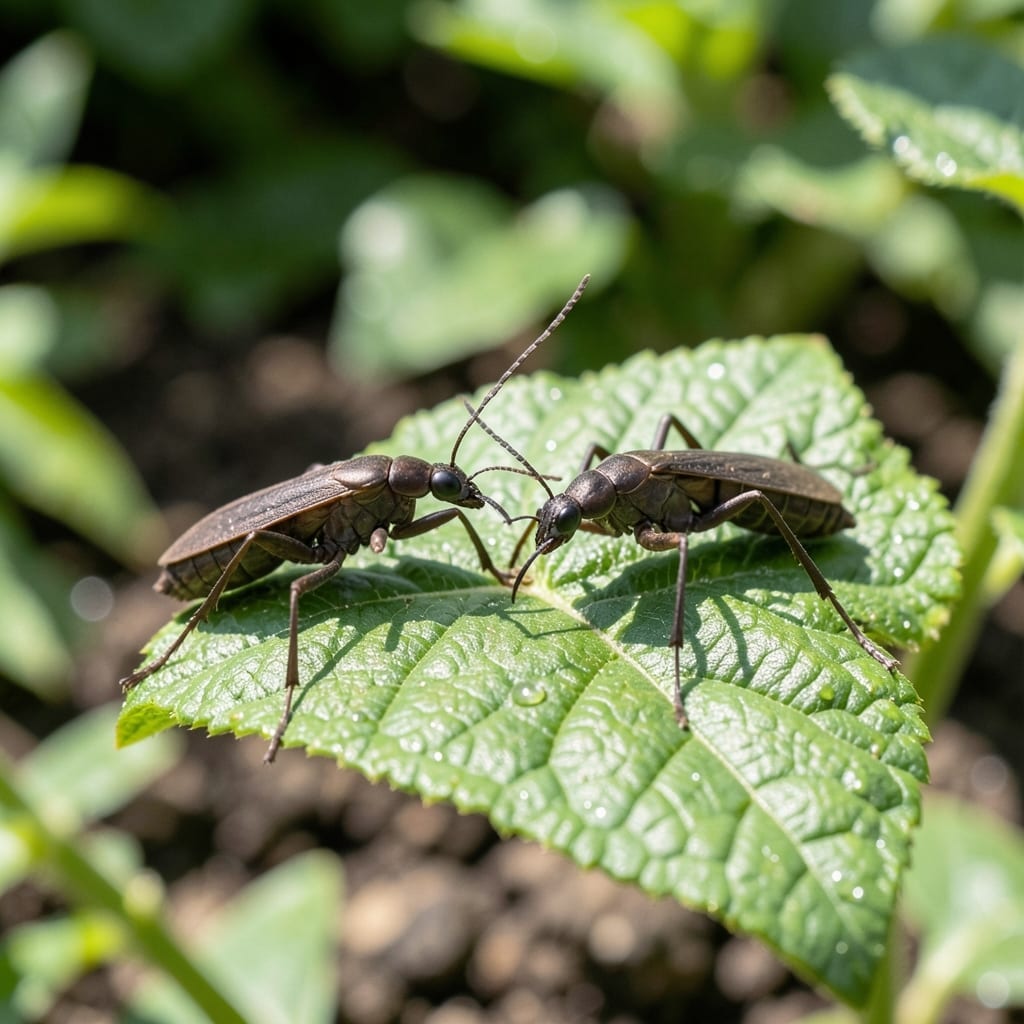
Earwigs turned my zucchini leaves into lace overnight. I learned these nocturnal feeders love damp, dark hiding spots and soft plant tissue, but they’re not invincible.
Natural removal starts with eliminating their favorite habitats—mulch piles, dense ground covers, and overwatered soil. A 6-inch band of diatomaceous earth around plants creates an effective barrier they won’t cross.
You’ll see new growth return within 1-2 weeks as earwigs move on. The key is consistency: check traps daily and reapply barriers after rain.
Works for vegetables, flowers, and ornamentals alike. Here’s how to reclaim your garden without harsh chemicals.
Earwigs may seem like mindless plant destroyers, but their feeding habits are driven by specific environmental and biological factors. Understanding these causes helps you address the root of the problem rather than just the symptoms.
Earwigs are omnivorous scavengers, preferring decaying organic matter, insects, and fungi over live plants. When their preferred food is scarce—such as in dry or heavily mulched gardens—they turn to tender plant leaves, flowers, and seedlings for sustenance. Over-cleaning garden debris can unintentionally starve them of their natural diet, pushing them toward your plants.
These pests thrive in damp, dark environments. Overwatering or poor drainage creates ideal conditions for earwigs to breed and hide under mulch, rocks, or dense foliage. In such habitats, they often chew on plant stems and leaves at night, especially if the moisture softens the tissue, making it easier to consume.
Earwigs target young, soft plant growth, including seedlings, new leaves, and flower petals. These parts lack the tough fibers or bitter compounds found in mature plants, making them an easy meal. Gardens with abundant tender vegetation—like lettuce, dahlias, or marigolds—are particularly susceptible.
During hot, dry spells, earwigs seek shelter in shady, moist plant areas to avoid desiccation. This often leads them to nibble on nearby foliage. Conversely, in early spring or late fall, cooler temperatures slow their metabolism, increasing their reliance on plant material when other food is limited.
Earwigs munching on your plants can be frustrating, but these simple fixes will help you reclaim your garden. Address the root causes with targeted solutions and keep your greenery thriving.
Earwigs love damp, dark areas. Clear away mulch, leaf litter, and debris around your plants to eliminate their favorite hideouts. Trim dense vegetation and keep the soil surface dry to discourage them from settling in.
These pests thrive in wet conditions. Water your plants in the morning so the soil dries out by evening. Fix leaky hoses or irrigation systems, and improve drainage in garden beds to make the environment less inviting.
Create a physical barrier to keep earwigs away. Spread diatomaceous earth or crushed eggshells around the base of plants—these abrasive materials deter crawling pests. Copper tape around pots or raised beds also works as an effective repellent.
Set up simple traps using rolled-up newspaper or cardboard tubes placed near plants. Earwigs will crawl inside for shelter. In the morning, collect and relocate them far from your garden. For a more proactive approach, use shallow dishes filled with beer—they’ll drown after being lured in.
Attract earwig predators like birds, toads, and ground beetles to your garden. Install birdhouses, add a small water feature for toads, or plant native flowers to support beneficial insects. A balanced ecosystem keeps earwig populations in check naturally.
Prevention tip: 💡 Regularly inspect your plants for early signs of damage, such as jagged leaves or chewed petals, and act quickly to prevent infestations from spreading.
Earwigs are nocturnal and do most of their feeding at night. Check your plants with a flashlight after dark to spot them in action.
No, they prefer healthy, tender growth like new leaves and flower petals. They’re especially drawn to dahlias, marigolds, and lettuce.
Most earwig species have wings but rarely fly. They prefer to crawl, which is why ground-level barriers like diatomaceous earth work so well.
Yes, they’ll chew on zucchini, corn, and beans, but focus on young plants. Mature vegetables with tougher leaves are less appealing.