
Beautiful Plants For Your Interior
Beautiful Plants For Your Interior
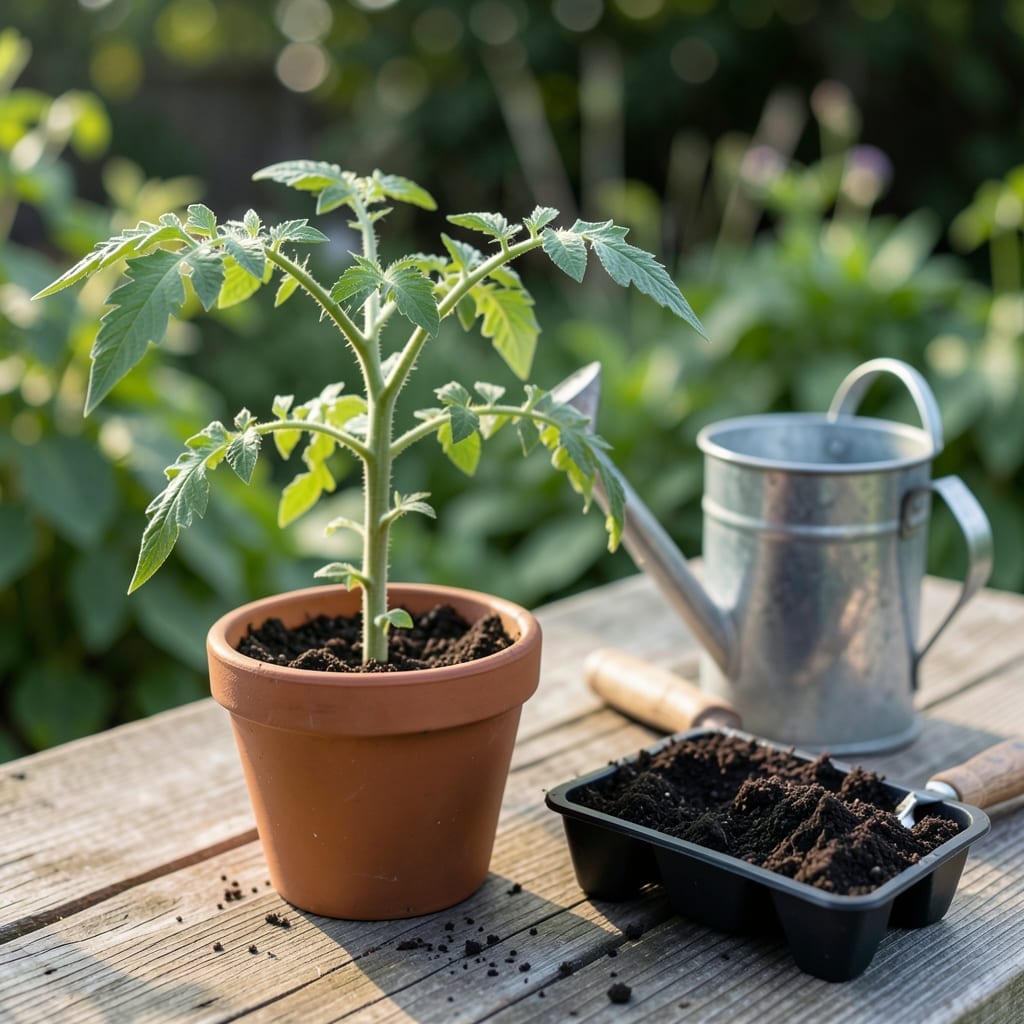
That sinking feeling when your plants wilt after moving them hits hard. I’ve been there—healthy seedlings turn limp overnight, and panic sets in.
The culprit is usually transplant shock, but it’s fixable. Roots need time to adjust to their new home, and the right care now can turn things around in 24-48 hours.
With a few simple adjustments—water, shade, and patience—you’ll see leaves perking up. Most plants bounce back completely within a week if you act fast.
Better yet, I’ll show you how to prevent this next time. Your garden will thank you, and you’ll transplant with confidence.
Transplant shock is the primary reason plants droop after moving to a new home. This stress response occurs when roots are disturbed, leading to temporary water and nutrient uptake issues. Below are the most common causes, explained simply but scientifically.
During transplanting, fine root hairs—responsible for absorbing water and minerals—often break. This disrupts the plant’s ability to hydrate, causing leaves to wilt as cells lose turgor pressure. Even if the soil is moist, damaged roots can’t absorb water efficiently. Action: Water deeply before and after transplanting to minimize stress.
Sudden changes in light, temperature, or humidity force plants to adapt quickly. For example, moving a shade-loving plant into full sun can cause rapid moisture loss through transpiration, leading to drooping. Similarly, cold drafts or heatwaves stress the plant further. Action: Acclimate plants gradually over 7–10 days (hardening off) before transplanting.
If roots aren’t in firm contact with soil, air pockets prevent water and nutrient absorption. Loose soil also dries out faster, exacerbating dehydration. Action: Gently press the soil around the base to eliminate gaps, but avoid compacting it too tightly.
Freshly transplanted plants may struggle if the new soil lacks essential nutrients (like nitrogen or phosphorus) or has an incorrect pH. Over-fertilizing can also burn roots, worsening stress. Action: Use a balanced, mild fertilizer or compost tea 1–2 weeks after transplanting to support recovery.
Transplant shock is temporary, and with the right care, your plants will bounce back. Here’s how to fix the most common causes of droopiness and keep them thriving.
Fix: Check the soil moisture with your finger—water only if the top inch feels dry. For overwatered plants, let the soil dry out and ensure the pot has drainage holes. Use a moisture meter for precision.
Prevention: Water deeply but infrequently, and always use well-draining soil. Avoid letting plants sit in saucers of water.
Fix: Trim any broken or mushy roots with clean scissors, then repot gently in fresh soil. Add a root stimulator to encourage new growth.
Prevention: Handle roots carefully during transplanting, and loosen the root ball before placing it in the new container to prevent circling roots.
Fix: Move the plant to a shadier spot for a few days, then gradually reintroduce sunlight. Use a sheer curtain to filter harsh rays if needed.
Prevention: Transplant on a cloudy day or in the evening to reduce stress. Acclimate plants to new light conditions slowly.
Fix: Mist leaves lightly or place a tray of water near the plant to boost humidity. Grouping plants together can also help.
Prevention: Choose a humid location for tropical plants, or use a humidifier for indoor setups.
💡 Pro Tip: A diluted fertilizer or seaweed extract can give plants a nutrient boost, but avoid overfeeding—wait until they show signs of recovery.
Most plants perk up within 24-48 hours with proper care. Full recovery typically takes 3-7 days, depending on the species and stress level. Keep conditions stable during this time.
Avoid fertilizing immediately—stressed roots can burn. Wait 1-2 weeks before using a mild, balanced fertilizer. Focus on water and shade first.
Evening is ideal to reduce moisture loss. Cooler temperatures and lower sun intensity give roots time to settle overnight. Morning works if evening isn’t possible.
Yes! Check roots for damage, trim if needed, and move to a shady spot. Keep soil moist (not soggy) and be patient—many bounce back even after 5-7 days.