
Beautiful Plants For Your Interior
Beautiful Plants For Your Interior
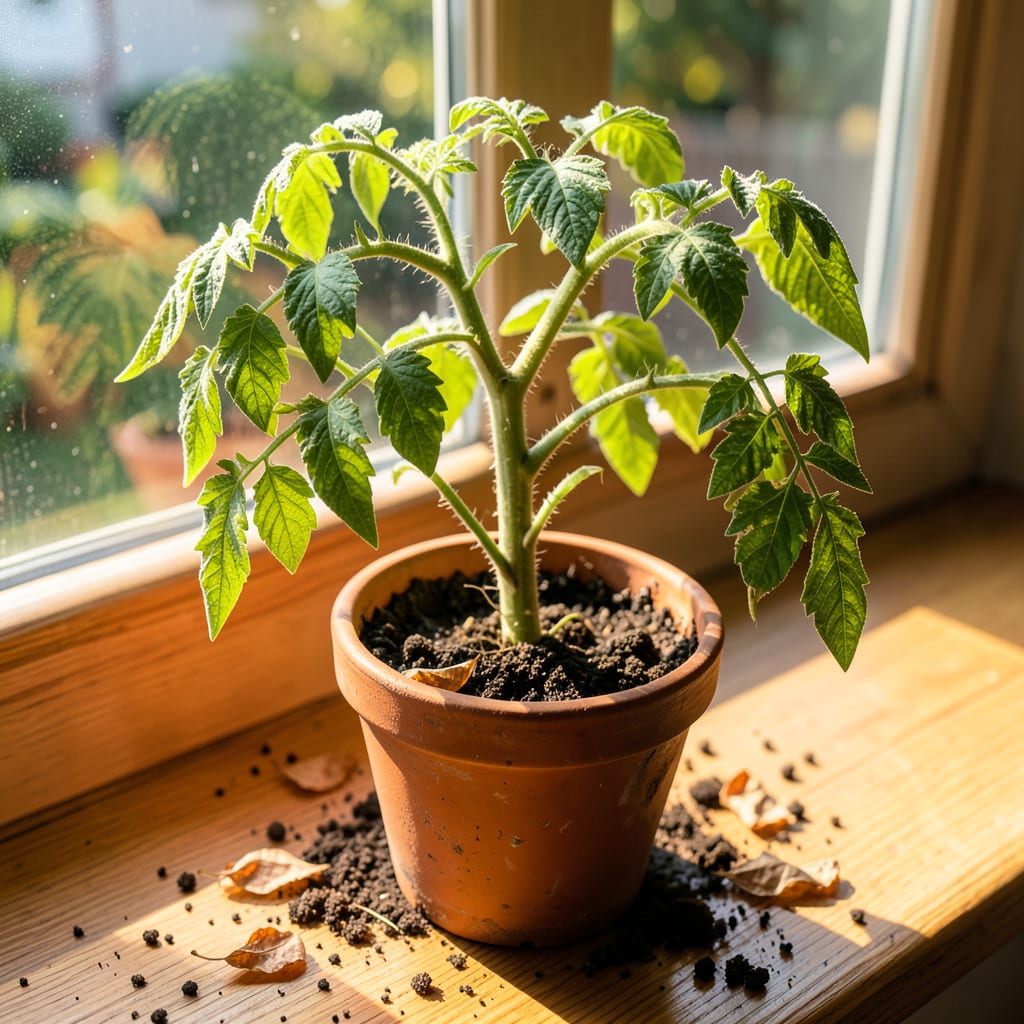
Nothing stings like watching healthy tomato seedlings wilt after transplant. I’ve lost count of how many plants I’ve saved by catching the problem early—usually within the first 24-48 hours of moving them.
Most wilt comes from transplant shock, root damage, or sudden changes in light and water. The good news? It’s fixable if you act fast. I’ve nursed back even the most dramatic droopers with a few simple adjustments.
You’ll see leaves perking up within a day or two once the roots adjust. Prevention starts with hardening off seedlings and transplanting on a cloudy day to reduce stress.
Works for all tomato varieties, whether you’re planting in the ground or containers. Here’s how to diagnose and fix it.
Transplant shock is a leading cause of tomato wilt after transplant, but it’s not the only culprit. Below are the most common scientific triggers—and how they disrupt your plants’ ability to thrive. 🌱
Tomatoes are sensitive to sudden temperature changes. If roots or foliage experience extreme heat (>90°F) or cold (<50°F), the plant’s vascular system can malfunction, leading to wilting. This is often due to impaired water uptake, as root cells become less efficient at absorbing moisture under stress.
Both overwatering and underwatering can cause wilt. Overwatering suffocates roots, reducing oxygen uptake and promoting root rot (Phytophthora or Fusarium fungi). Meanwhile, underwatering creates drought stress, forcing the plant to conserve water by collapsing its leaves.
Fungal pathogens like Fusarium oxysporum and Verticillium dahliae block the xylem (water-conducting tissue), starving the plant of hydration. Bacterial wilt (Ralstonia solanacearum) does the same but also clogs vascular tissue with bacterial slime. These infections often enter through wounds during transplanting.
Pro tip: Sterilize tools and avoid planting in contaminated soil to prevent spread. 💡
Physical trauma—like torn roots or compacted soil—disrupts water and nutrient absorption. Even minor damage can trigger a stress response, where the plant prioritizes root recovery over leaf turgor, resulting in temporary wilt.
Wilting after transplant is fixable with quick, targeted action. Here’s how to revive your tomatoes based on the cause:
Prevent it: Harden off seedlings 7–10 days before transplanting. 💡
Prevent it: Water deeply 2–3 times a week (adjust for rain). 🌡️
Prevent it: Rotate crops yearly and sanitize tools. ✨
Prevent it: Mix aged compost into soil before planting. 🎯
Most tomatoes bounce back in 3–7 days with the right care. Stay consistent!
Most plants perk up within 24-48 hours if the issue is transplant shock. For water or root problems, expect 3-7 days of consistent care before full recovery.
Remove only the most damaged lower leaves to reduce water loss. Avoid heavy pruning—this adds stress. Healthy leaves will recover as roots establish.
Yes, excess fertilizer burns roots, preventing water uptake. Always dilute to half-strength for new transplants and wait 1-2 weeks before feeding.
Transplant in the late afternoon or evening to avoid midday heat stress. This gives roots overnight to settle before facing full sun.
