
Beautiful Plants For Your Interior
Beautiful Plants For Your Interior
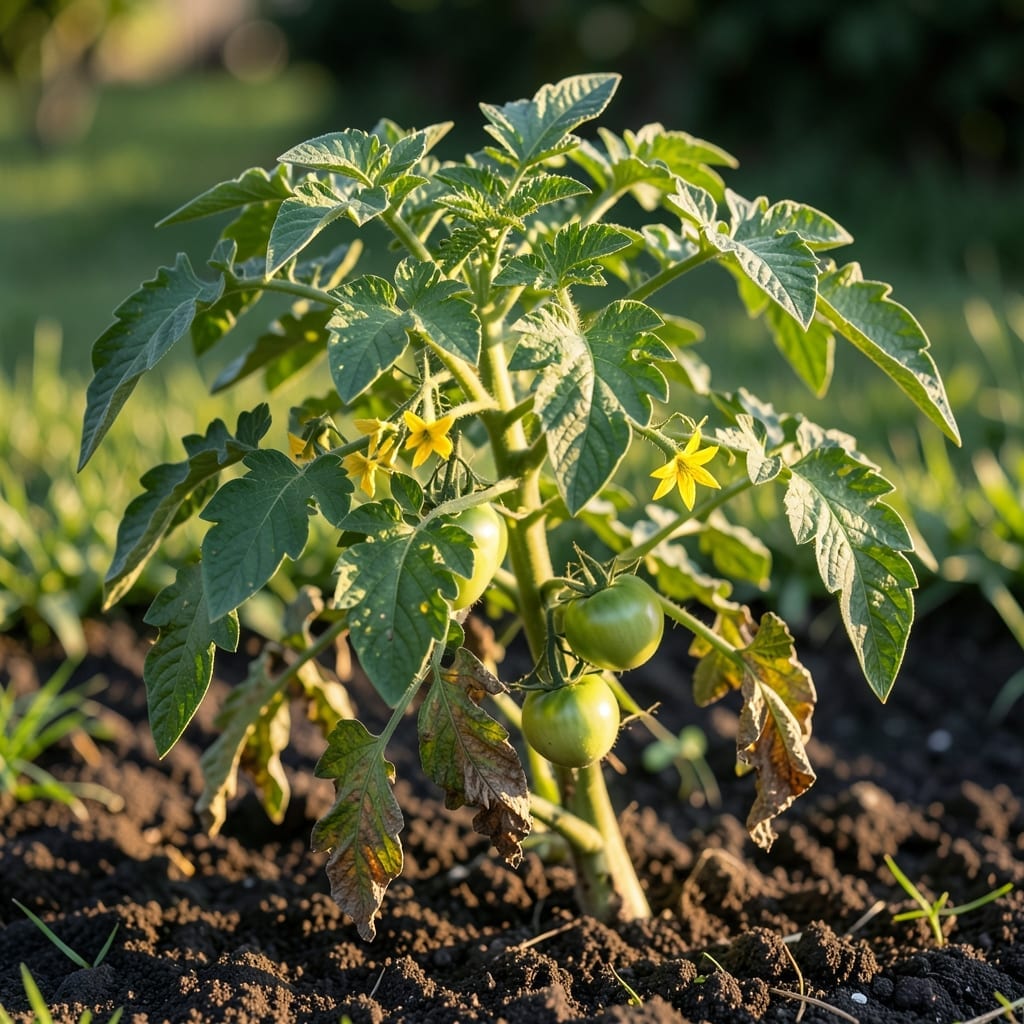
Your plant’s sad, drooping leaves aren’t a death sentence. 🌱 I’ve revived countless wilted plants by first checking the soil—bone-dry means thirsty, soggy means drowning, and both need immediate attention.
Overwatering’s the sneakiest culprit. Most people kill with kindness, not neglect. Yellowing leaves and mushy stems scream “too much love.” Underwatered plants, meanwhile, have dry, crispy soil pulling away from the pot edges.
Pests and root rot can also cause the slump. Check undersides of leaves for bugs and sniff the soil—rot smells like a swamp. The fix often starts with adjusting your watering routine and inspecting roots.
Within 24-48 hours of the right care, most plants perk up. The key is acting fast before the damage becomes permanent.
Droopy leaves are your plant’s way of sending an SOS. Here’s why it happens, broken down by the most common culprits:
Root health is the foundation of leaf turgor (firmness). Underwatering deprives roots of moisture, causing cells to lose pressure and leaves to wilt. Conversely, overwatering suffocates roots by displacing oxygen in the soil, leading to root rot. In both cases, the plant can’t absorb water efficiently, and leaves droop as a survival response.
Extreme temperatures, dry air, or sudden drafts disrupt a plant’s transpiration process. High heat accelerates water loss through leaves, while cold drafts slow metabolic functions. Low humidity (below 40%) pulls moisture from leaves faster than roots can replenish it. Even consistent but incorrect light levels (e.g., too little for sun-loving plants) weaken cellular structure, resulting in limp foliage.
Sap-sucking pests like spider mites, aphids, or mealybugs drain fluids from leaves, causing them to collapse. Fungal or bacterial infections (e.g., Fusarium wilt or powdery mildew) clog vascular tissues, blocking water transport. Check undersides of leaves for webbing, spots, or sticky residue—early signs of infestation.
A lack of key nutrients—particularly potassium (regulates water balance) or magnesium (essential for chlorophyll production)—weakens cell walls. Yellowing leaves with drooping edges often signal a potassium deficiency, while interveinal chlorosis (yellowing between veins) hints at magnesium or iron shortages. Over-fertilizing can also cause salt buildup, damaging roots and impairing water uptake.
Bringing your plants back to life is often simpler than you think. Here’s how to tackle the most common causes of droopy leaves with quick, actionable fixes.
If the soil is bone-dry, give your plant a deep watering. Submerge the pot in a basin of room-temperature water for 10–15 minutes to ensure the roots absorb moisture fully. Prevention tip: Check soil moisture by sticking your finger an inch deep—if it’s dry, it’s time to water. 💡
Stop watering immediately and let the soil dry out. Remove the plant from its pot to inspect for root rot (mushy, dark roots). Trim affected roots and repot in fresh, well-draining soil. Prevention tip: Use pots with drainage holes and a moisture meter to avoid overdoing it. 🌱
Move your plant to a spot with bright, indirect light. If leaves are scorched, trim them to redirect energy to healthy growth. Prevention tip: Gradually acclimate plants to new light conditions to avoid shock. ✨
Mist the leaves daily or place a tray of water near the plant to increase humidity. Grouping plants together also helps. Prevention tip: Use a humidifier for tropical plants that thrive in moist environments. 💦
Apply a balanced, water-soluble fertilizer to replenish nutrients. Follow package instructions to avoid overfeeding. Prevention tip: Fertilize during the growing season (spring/summer) and reduce in winter. 🌿
Wipe leaves with a damp cloth or use insecticidal soap to remove pests like spider mites or aphids. Isolate the plant to prevent spreading. Prevention tip: Inspect leaves regularly for early signs of trouble. 🎯
Stick your finger 1 inch into the soil every 2-3 days. If it feels dry, it’s time to water.
Yes! With proper watering and care, most plants show improvement within 24-48 hours. Act fast for best results.
Use pots with drainage holes and a moisture meter. Wait until the top 1-2 inches of soil are dry before watering again.
Tropical varieties like peace lilies and ferns droop quickly when thirsty. Succulents, however, tolerate dry soil better.