
Beautiful Plants For Your Interior
Beautiful Plants For Your Interior
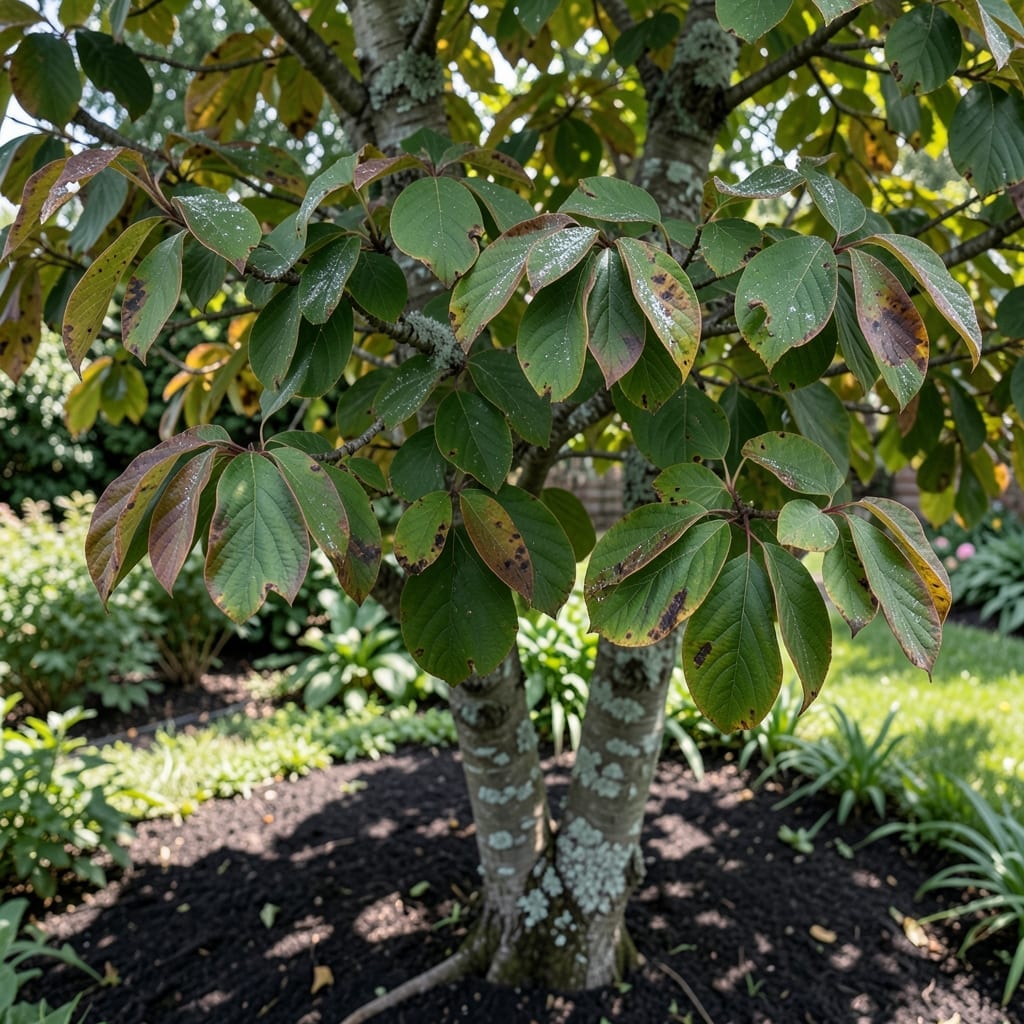
Nothing ruins a spring landscape faster than a sick dogwood. I’ve watched healthy trees decline in one season when disease strikes, but early detection makes all the difference.
The usual suspects show up as leaf spots, powdery mildew, or bark cankers. Each leaves a distinct fingerprint: purple-edged spots for anthracnose, white powder for mildew, or oozing wounds for canker. Catching these early saves years of growth.
Prevention starts with simple habits: proper spacing, good airflow, and avoiding overhead watering. A 10-minute weekly inspection during wet springs catches problems before they spread.
With the right knowledge, your dogwoods stay vibrant and disease-free for decades. Here’s how to spot trouble and stop it in its tracks.
Understanding why dogwood trees fall prey to diseases starts with recognizing the environmental, biological, and cultural stressors that weaken their defenses. Below are the primary drivers behind common dogwood tree ailments.
Extreme weather conditions, such as prolonged droughts or excessive rainfall, create ideal conditions for fungal and bacterial infections. Dogwoods thrive in well-drained, slightly acidic soil. Poor drainage leads to root rot (Phytophthora), while drought stress weakens the tree, making it susceptible to pests like the dogwood borer. Temperature fluctuations in early spring can also trigger anthracnose, a fungal disease that thrives in cool, wet climates.
Several pathogens target dogwoods, often exploiting the tree’s weakened state. Discula destructiva, the fungus behind dogwood anthracnose, spreads via water splashing on leaves, causing leaf spots, twig dieback, and bark cankers. Bacterial leaf scorch (Xylella fastidiosa) clogs the tree’s water-conducting vessels, leading to marginal leaf burn and premature defoliation. These pathogens are often introduced through contaminated tools, infected plant material, or poor sanitation practices.
Pests like the dogwood club gall midge and scale insects directly damage tissues, creating entry points for secondary infections. The dogwood borer tunnels into the trunk, disrupting nutrient flow and leaving the tree vulnerable to diseases. Regular monitoring and early intervention can prevent pests from compromising the tree’s health.
Improper planting depth, overwatering, or excessive use of fertilizers can stress dogwoods, reducing their natural resistance. Planting in full sun without adequate irrigation can scorch leaves, while poorly timed pruning (especially in wet seasons) increases the risk of fungal spores infecting open wounds. Always sterilize pruning tools and avoid overhead watering to minimize disease spread.
Keeping your dogwood tree healthy starts with quick action and smart habits. Below are practical fixes for common issues, paired with prevention tips to stop problems before they start.
If you spot white, powdery spots on leaves, prune affected areas immediately and dispose of the debris far from the tree. Apply a fungicide like neem oil or sulfur-based sprays every 7–10 days until the issue clears. Prevent it by improving air circulation—space trees properly and thin out dense branches. Water at the base (not overhead) to keep foliage dry.
For leaf spots or cankers, remove and destroy infected leaves and branches. Treat with copper fungicides in early spring before buds open, repeating every 2 weeks if rain is frequent. Prevent future outbreaks by raking up fallen leaves in autumn (they harbor spores) and avoiding overhead watering.
If you see small holes in the bark or wilting branches, prune and burn infested wood. Apply insecticidal soap or horticultural oil to kill larvae. Prevention tip: Keep trees stress-free with proper watering and mulching. Healthy trees resist borers better! 💡
Yellowing leaves and stunted growth often signal root rot. Improve drainage by amending soil with compost or sand. Avoid overwatering—let the top 1–2 inches of soil dry between waterings. Prevent it by planting dogwoods in well-draining spots and avoiding heavy, clay-rich soil.
Pro tip: Regularly inspect your tree for early signs of trouble—catching issues early makes treatment easier and more effective! ✨
Purple-edged spots are a classic sign of anthracnose, a fungal disease that thrives in cool, wet springs. Remove affected leaves immediately and apply copper fungicide to prevent spread.
Rarely, but it can severely weaken the tree if left untreated. Prune infected areas and improve airflow to stop its progress. Neem oil sprays every 7-10 days work well.
Plant in well-draining soil and avoid overwatering. Let the top 1-2 inches of soil dry between waterings. Amend heavy clay soil with compost before planting.
Apply horticultural oil or insecticidal soap at first signs of small holes or wilting. Early spring and late summer are prime treatment times for best results.