
Beautiful Plants For Your Interior
Beautiful Plants For Your Interior
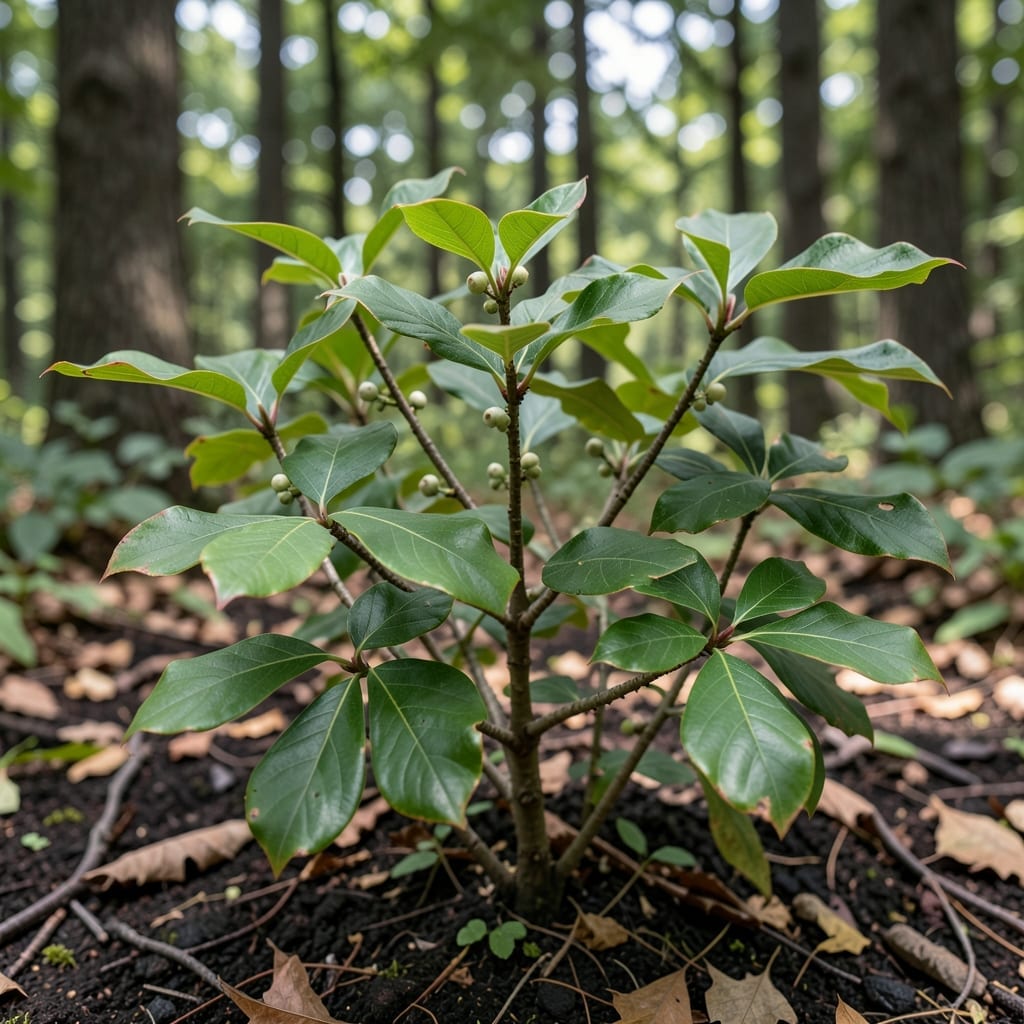
No, poison oak always has clusters of three leaflets. The ‘leaves of three, let it be’ rule helps identify it, as five-leaf arrangements are not characteristic of this plant.
This plant’s consistent three-leaflet pattern is a key identifier, and confusing it with a five-leaf look-alike could lead to risky exposure. I’ve seen cases where people mistake Virginia creeper for poison oak, but the creeper’s five leaflets are a clear distinction. The rule exists because poison oak’s growth habit is botanically fixed. ✨
Always check the leaf arrangement before touching any vine or shrub in the wild. 💫
💡 In This Article
Poison oak belongs to the Anacardiaceae family, which includes cashews and mangos. Its botanical classification as Toxicodendron diversilobum (western) or Toxicodendron pubescens (eastern) dictates the trifoliate leaf structure—three leaflets emerging from a single stem. This pattern is genetically programmed, not random.
Each leaflet grows 2-4 inches long with wavy or lobed edges, resembling oak leaves. The middle leaflet has a longer stem, while the side two attach directly to the main vine. This symmetry is a dead giveaway. Virginia creeper, often confused with poison oak, has five leaflets in a palmate arrangement.
Seasonal changes affect appearance but not count. Spring leaves are bright green and glossy. Summer brings darker green with possible red stems. Fall turns them red, orange, or yellow. Even in winter, bare vines retain the three-leaf node structure where leaflets once grew. 🔥
The “leaves of three” rule exists because the plant’s growth hormone, auxin, distributes evenly to create this consistent pattern. This hormonal regulation prevents the development of additional leaflets, unlike plants like sumac which can have 7-13 leaflets per stem.
Color isn’t reliable for identification. Poison oak can appear as a climbing vine, a low shrub, or ground cover. The leaflets may be smooth or slightly hairy. But the three-leaf cluster remains the unchanging identifier across all forms and environments. ✨
Look for the three leaflets arranged in a cluster. Virginia creeper has five leaflets, while boxelder has three to five. Poison oak’s middle leaflet always has a longer stem than the side two.
No, the three-leaf pattern stays consistent year-round. Seasonal changes affect color and texture, but never the number of leaflets per cluster. Even bare winter vines show the three-node structure.
Some plants like Virginia creeper have five leaflets in a similar arrangement. The confusion comes from not counting carefully or seeing partial clusters. Always check for exactly three leaflets before touching.
No, leaf shape can vary and resemble oak leaves. Color and texture also change seasonally. The only reliable identifier is the three-leaflet cluster pattern on every stem.