
Beautiful Plants For Your Interior
Beautiful Plants For Your Interior
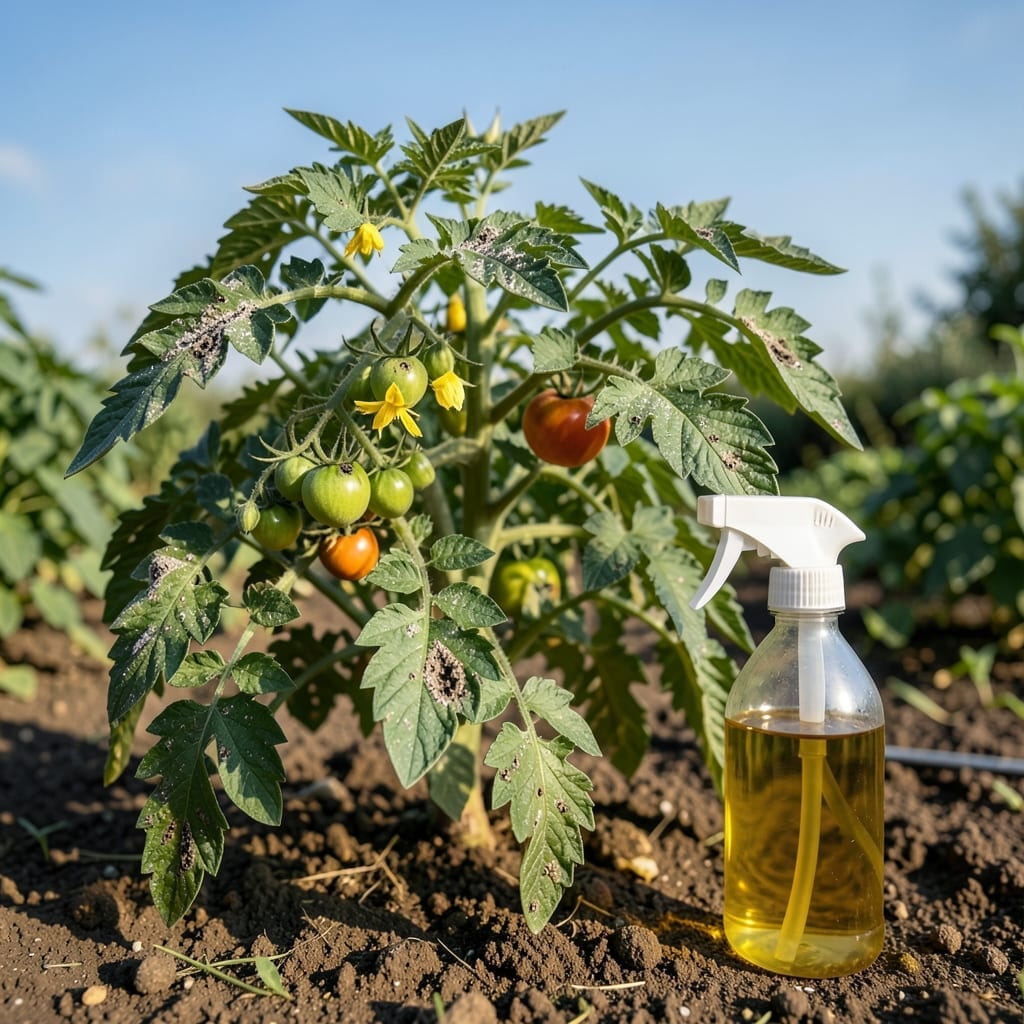
Neem oil is a natural antifungal that effectively combats many plant fungi, including powdery mildew and rust, by disrupting fungal growth and spore production.
I’ve used neem oil in my garden and seen firsthand how it stops fungal diseases in their tracks. 🌟 Its active compounds, like azadirachtin, interfere with fungal cell division, which is why it works so well against stubborn issues like leaf spot or black spot. What’s more, it’s gentle on plants when diluted properly, making it a go-to for organic gardeners.
💡 In This Article
Neem oil contains over 100 bioactive compounds, with azadirachtin being the star. This limonoid disrupts fungal cell division by interfering with mitosis, preventing spores from germinating. It also blocks the production of ergosterol, a critical component of fungal cell membranes, causing them to weaken and collapse. 🔥
The oil’s systemic effect means plants absorb it through their tissues. Once inside, it circulates for up to 22 days, providing prolonged protection. Unlike synthetic fungicides, neem oil doesn’t just kill existing fungi—it prevents new infections by creating an inhospitable environment for spores to take hold. ✨
Studies show neem oil is particularly effective against powdery mildew, rust, and leaf spot. In lab tests, a 1% neem oil solution reduced powdery mildew spores by 90% within 48 hours. The oil’s bitter taste also deters pests like aphids, which can spread fungal diseases between plants. 💫
What’s fascinating is how neem oil’s triterpenes and sterols work together. These compounds disrupt fungal respiration and energy production, essentially starving the pathogens. This multi-pronged attack makes it harder for fungi to develop resistance, unlike single-target synthetic fungicides. ⚡
For best results, apply neem oil as a preventative before fungal spores land. Its hydrophobic nature means it coats plant surfaces, forming a protective barrier. This is why consistent, early application is key—it stops fungi before they can establish a foothold. 🌟
You’ll typically see results within 24-48 hours. Studies show a 1% solution can reduce spores by 90% in this timeframe. For severe infections, it may take 3-5 applications for full control.
Most plants tolerate neem oil well, but always do a patch test first. Avoid using on young seedlings or plants under stress. Some sensitive varieties like ferns may react poorly.
Soap acts as an emulsifier, helping the oil mix with water. Without it, the oil separates and won’t coat leaves evenly. Use 1 teaspoon of mild soap per 1 gallon of water for best results.
Early morning or late evening is ideal. This prevents leaf burn from the sun and allows the oil to absorb properly. Avoid applying during the hottest part of the day.
Rain washes away the protective coating, so reapply within 24 hours after rainfall. This maintains continuous protection against fungal spores.