
Beautiful Plants For Your Interior
Beautiful Plants For Your Interior
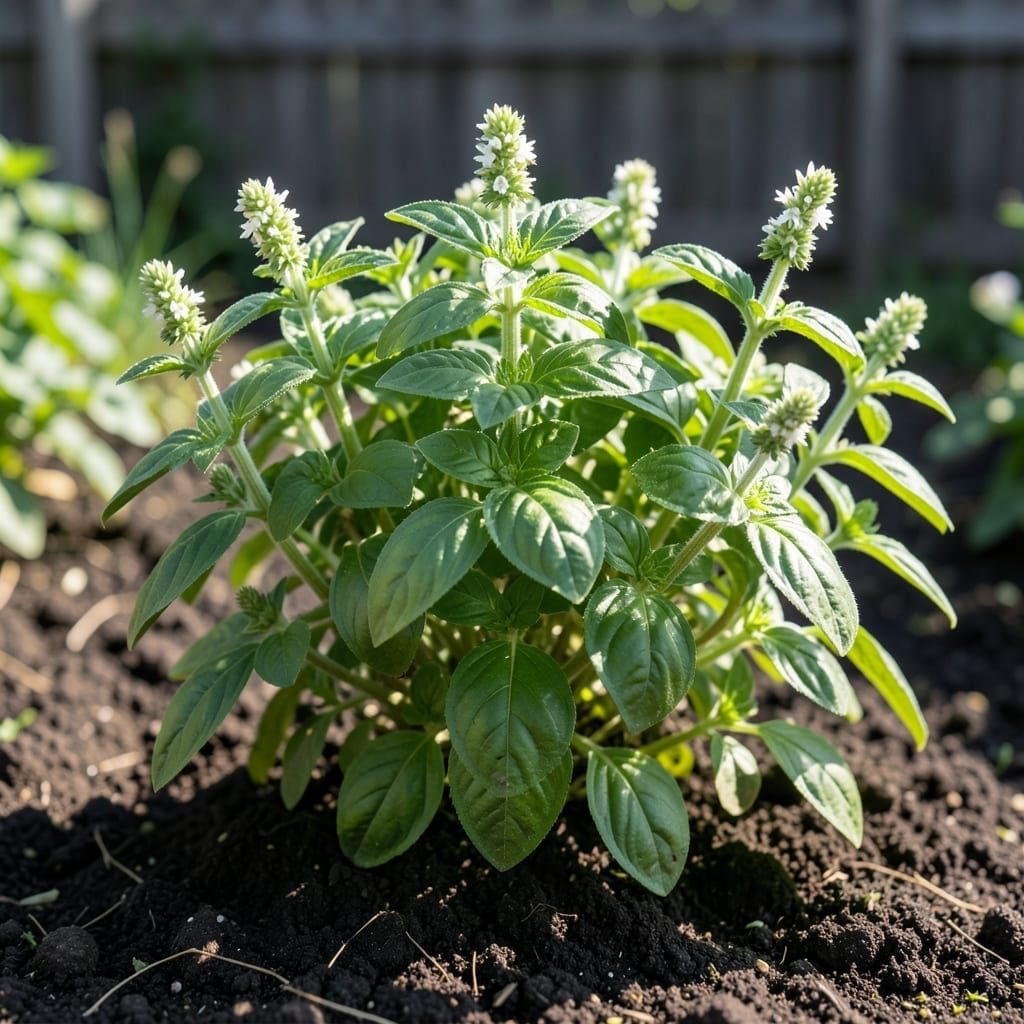
Nothing beats the aroma of fresh 🌿 Basil in your garden, but getting the light right is the secret to its success. Too little sun leaves it leggy, while too much can scorch its delicate leaves.
As a gardener, I’ve learned that finding that sweet spot makes all the difference. Whether you’re growing in containers or open soil, understanding Basil’s needs ensures a thriving harvest.
Discover how to balance sunlight for the healthiest plants and the most flavorful leaves this season.

If you’re wondering does basil like full sun, the answer is a resounding yes! Basil thrives with 6-8 hours of direct sunlight daily. This herb is a sun-lover at heart.
In my experience, plants exposed to full sun develop richer flavors and denser foliage. That’s why I always place my basil in the sunniest spots.
☀️ Basil Sunlight Requirements
| Requirement | Specification |
| Ideal Sun | 6-8 hours daily |
| Light Type | Direct sunlight |
| Minimum Sun | 4-6 hours |
| Shade Tolerance | Low |
However, in extremely hot climates, I’ve noticed that afternoon shade can prevent leaf scorch. The key is consistent, bright light without extreme heat stress.
Morning sun is particularly beneficial as it’s less intense. I recommend east-facing or south-facing locations for optimal growth in most regions.
For container gardeners, a sunny windowsill or balcony works perfectly. Just ensure your pots have good drainage to complement the sunlight.
I’ve found that Genovese basil does especially well in full sun. Its large leaves soak up the light, producing that classic sweet basil flavor we all love.
In cooler climates, don’t hesitate to give your basil as much sun as possible. The more light it gets, the bushier and more aromatic your plants will become.
Remember that seedlings need a gradual introduction to full sun. I always harden off my young plants before exposing them to intense sunlight.
Finally, if you’re growing basil indoors, a south-facing window is ideal. Without sufficient light, plants become leggy and weak, so consider supplementing with grow lights if needed.
With the right balance, you’ll be rewarded with vibrant, healthy basil all season long 🌿
As a gardener, I’ve learned that basil plants show clear signs when their sunlight needs aren’t met. Leggy stems and pale leaves often mean they’re craving more light.
On the flip side, yellow or brown leaves can signal sunburn from too much direct exposure, especially in hot climates.
⚠️ Watch for These Sunlight Red Flags
Too Little Sun: Sparse leaves, weak stems, slow growth.
Too Much Sun: Scorched edges, wilting, crispy foliage.
If your basil looks stretched out, it’s likely reaching for more light. I’ve fixed this by moving pots to sunnier spots or thinning nearby plants.
For sun-scorched basil, I provide afternoon shade with a shade cloth or relocate to partial sun. A little adjustment goes a long way!
Another telltale sign is smaller leaves. Basil in low light produces fewer, smaller leaves, while full sun encourages lush, large foliage.
I’ve also noticed that flowering too early can happen with stressed plants. If basil bolts, it might need more consistent light or regular harvesting.
With these cues, you’ll keep your basil thriving in the perfect light conditions 🌿