
Beautiful Plants For Your Interior
Beautiful Plants For Your Interior
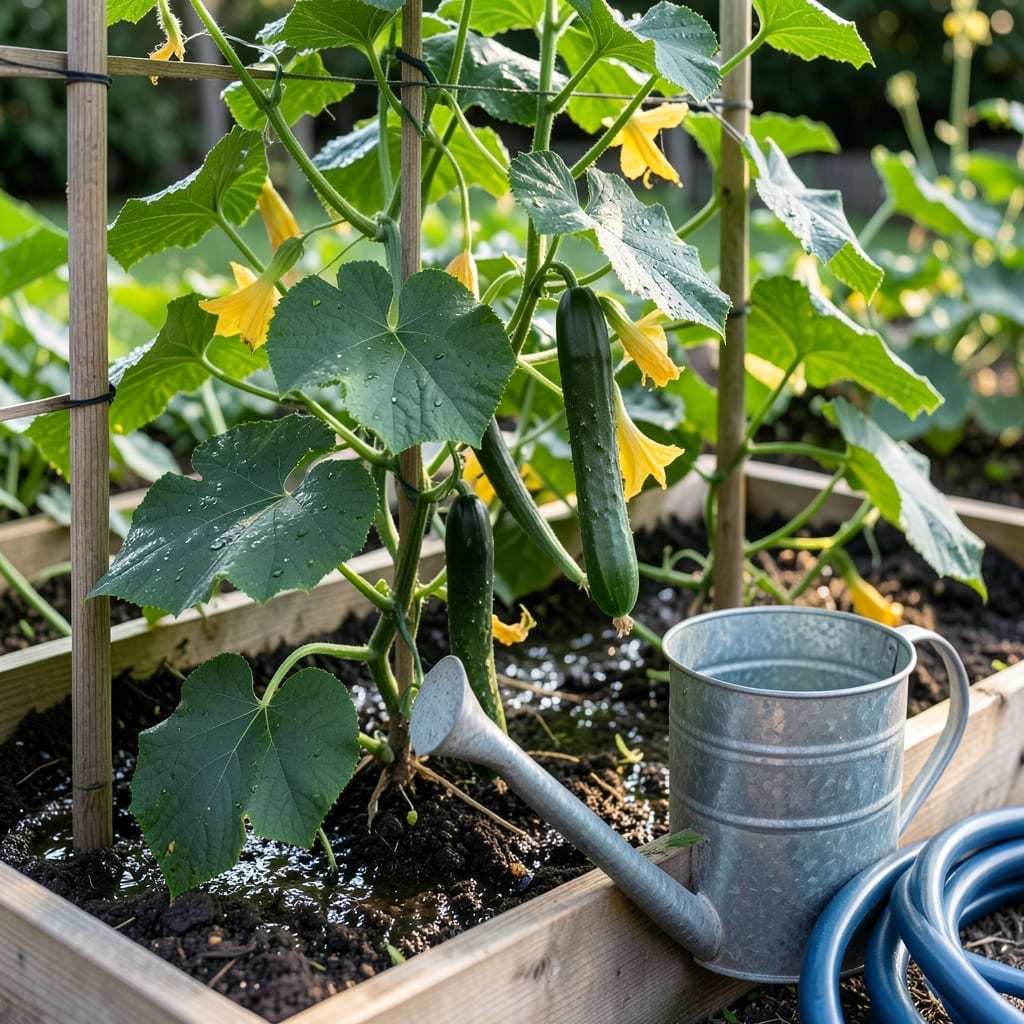
Overwatering your Cucumber 🥒 plants can be just as harmful as letting them go thirsty. Finding that perfect balance is the key to healthy growth and a bountiful harvest.
I’ve seen too many gardeners struggle with wilting vines or yellowing leaves, all because they didn’t adjust their watering routine. The truth is, cucumbers have specific needs that change with the weather and soil.
You don’t need to water them every single day, but you do need a smart approach. Let me walk you through how to keep your plants happy without drowning their roots.
Discover the simple yet effective strategy that will save you time and give your cucumbers exactly what they need to thrive.
I get asked this all the time: do cucumber plants need daily watering? The short answer is no, but the real answer depends on your climate, soil type, and plant maturity. Cucumbers are thirsty plants, but too much water can suffocate their roots.
In my experience, most gardeners overcomplicate this. The key is consistent moisture without waterlogging. You’ll want to check the top inch of soil—if it’s dry, it’s time to water. This simple test works for both potted and in-ground plants. 🌱
During the hottest months, I water my cucumbers every 2-3 days, but I always check the soil first. If we’ve had rain, I skip a day. Cucumbers in pots dry out faster, so they often need water every 24-48 hours in summer heat.
If your plants are young seedlings, keep the soil evenly moist but not soggy. As they mature, you can water more deeply but less often. This encourages strong root growth and prevents shallow root systems.
I’ve found that drip irrigation works best for cucumbers. It delivers water directly to the roots and keeps the leaves dry, reducing the risk of fungal diseases. If you’re hand-watering, aim for the base of the plant.
Another pro tip: Mulch around your plants with straw or shredded leaves. This helps retain moisture and keeps the soil temperature stable. I’ve seen my watering frequency drop by 20-30% since I started mulching.
Watch for wilting during the day—this is normal in heat, but if plants stay wilted into the evening, they need water. On the flip side, yellowing leaves can signal overwatering, so always check the soil before adding more.
In clay soil, water less often but more deeply to prevent root rot. In sandy soil, you’ll need to water more frequently since it drains quickly. The goal is 1-2 inches of water per week, including rainfall.
Finally, water in the early morning to reduce evaporation and give plants time to dry before nightfall. This simple habit can make a huge difference in your cucumber’s health and productivity. 🌿
Watering cucumbers isn’t just about frequency—it’s about technique and timing. I’ve found that morning watering before 10 AM works best to prevent evaporation and fungal issues. This gives plants time to absorb moisture before the heat kicks in.
For the best results, I recommend using drip irrigation or a soaker hose to deliver water directly to the roots. Overhead watering can lead to leaf diseases, especially in humid climates. Consistency is key—avoid letting the soil dry out completely between waterings.
Mulching with straw or wood chips is a game-changer. It keeps the soil moist longer and prevents weeds from stealing water. I’ve seen my cucumber plants thrive with just 1-2 inches of mulch around their base.
If you’re growing cucumbers in containers, they’ll need more frequent watering than in-ground plants. The soil in pots dries out faster, so check them daily during summer heatwaves. Always ensure your containers have drainage holes to avoid root rot.
One common mistake is watering on a fixed schedule without checking the soil. Stick your finger 2 inches deep—if it feels dry, it’s time to water. If it’s moist, wait another day. This simple test has saved me from overwatering countless times.
Remember, cucumber plants are 90% water, so they need consistent moisture, especially during fruiting. By following these practices, you’ll keep your plants healthy and productive all season long 💧