
Beautiful Plants For Your Interior
Beautiful Plants For Your Interior
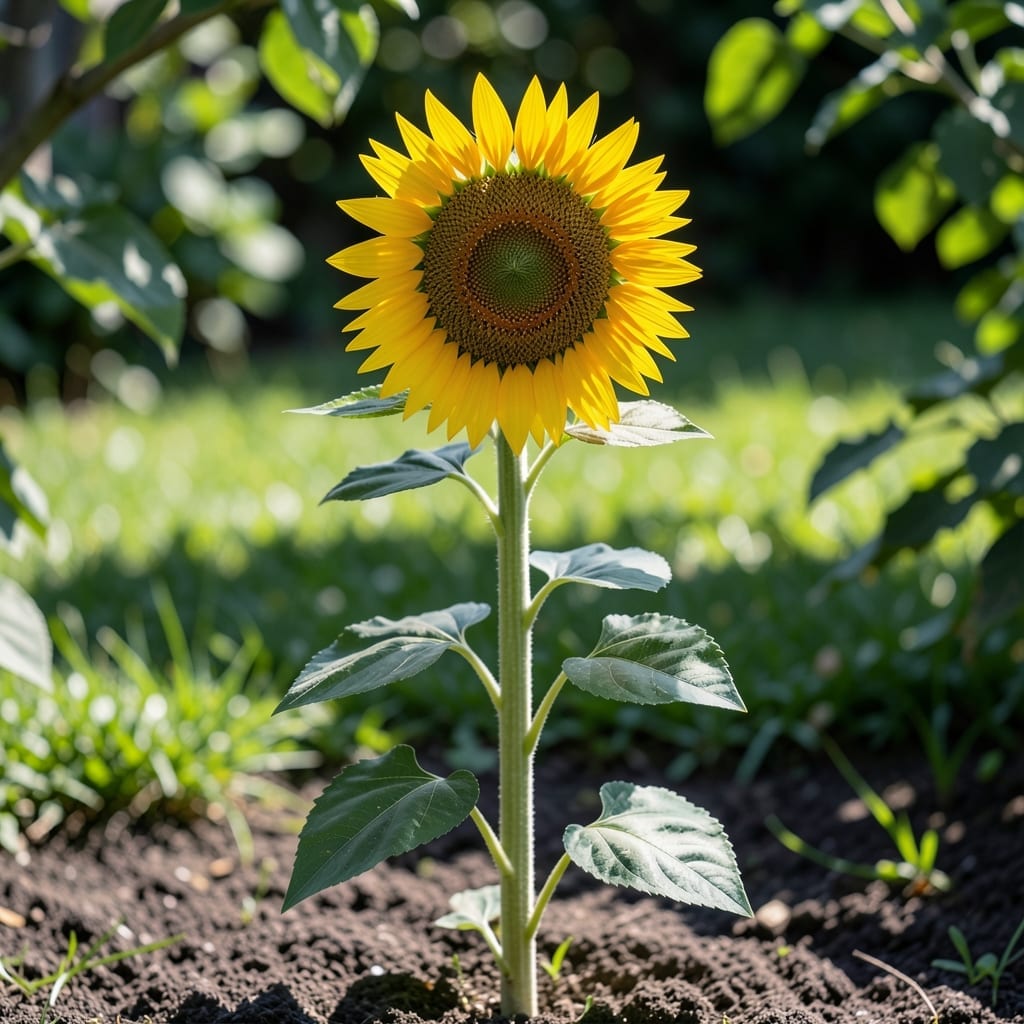
Sunflowers are the iconic symbols of summer gardens, but their towering height and vibrant blooms come with specific light demands. I’ve seen too many gardeners struggle with weak stems or small blooms simply because they underestimated the 🌻 Sunflower’s need for sunlight.
Understanding their sun requirements is the key to growing these cheerful giants successfully. Without the right amount of light, even the hardiest varieties will underperform.
Let me walk you through what it takes to give your Sunflower the light it craves and how to spot the signs when it’s not getting enough.

If you’ve ever marveled at a field of towering sunflowers, you know these plants are built for the sun. I’ve found that 6-8 hours of direct sunlight daily is the sweet spot for most varieties. This isn’t just preference—it’s a biological necessity.
Sunflowers are solar-powered in the truest sense. Their large, broad faces are designed to maximize light absorption, fueling photosynthesis to produce the energy they need for rapid growth. Without sufficient sun, they simply can’t reach their full potential.☀️
| Requirement | Specification |
|---|---|
| Ideal Sunlight | 6-8+ hours daily |
| Light Type | Direct sunlight |
| Best Direction | South-facing |
| Minimum for Growth | 4-6 hours |
The science behind this is fascinating. Sunflowers use a process called heliotropism—young plants actually track the sun’s movement across the sky. This maximizes their light exposure during critical growth phases. Once mature, they typically settle facing east.
In my experience, full sun exposure leads to stronger stems that can support those massive flower heads. I’ve seen sunflowers grown in partial shade develop weak, floppy stems that can’t hold up their blooms, especially after rain.
The bloom size is another clear indicator. Sunflowers getting adequate sunlight produce those classic dinner-plate sized flowers we all love. In shadier spots, you’ll often get smaller, less vibrant blooms that just don’t have the same impact.🌻
It’s not just about quantity either—quality of light matters. Sunflowers thrive in bright, direct sunlight, not the filtered light you might get through trees. I always recommend planting them in the sunniest spot of your garden.
For those in hotter climates, don’t worry about sunflowers getting too much sun. These plants are remarkably heat-tolerant. In fact, in areas with intense summer heat, they often perform even better, as long as they have adequate water.
The photosynthesis process in sunflowers is so efficient that they can grow inches in a single day under ideal conditions. I’ve measured some of my plants growing 6-8 inches overnight during peak growing season!
Remember, while sunflowers are drought-tolerant once established, they still need consistent moisture during their early growth stages to build that strong root system that will anchor them during windy days.
While full sun is ideal, some sunflower varieties can tolerate partial shade. I’ve tested several types and found that dwarf varieties like ‘Teddy Bear‘ or ‘Sunspot’ often perform better in less-than-full-sun conditions than their towering cousins.
However, even shade-tolerant types need at least 4-6 hours of sunlight. I’ve noticed that in partial shade, sunflowers often develop longer, weaker stems as they stretch toward the light, which can lead to toppling over in wind or rain.☀️
In my garden, I’ve had success with morning sun and afternoon shade, especially in hotter regions. This combination can prevent heat stress while still providing enough light for healthy growth. Just be prepared for smaller flower heads.
If you’re working with limited sunlight, consider planting near reflective surfaces like white walls or using light-colored mulch to maximize the light your sunflowers receive. I’ve seen this trick make a noticeable difference in stem strength.
Remember that seed production will be significantly reduced in shade. If you’re growing sunflowers for birdseed or harvesting, full sun is absolutely essential for maximum yield.🌻
For container gardeners, balcony sunflowers can work if you have a south-facing exposure. I recommend rotating pots weekly to ensure even growth as the plants reach for the light.