
Beautiful Plants For Your Interior
Beautiful Plants For Your Interior
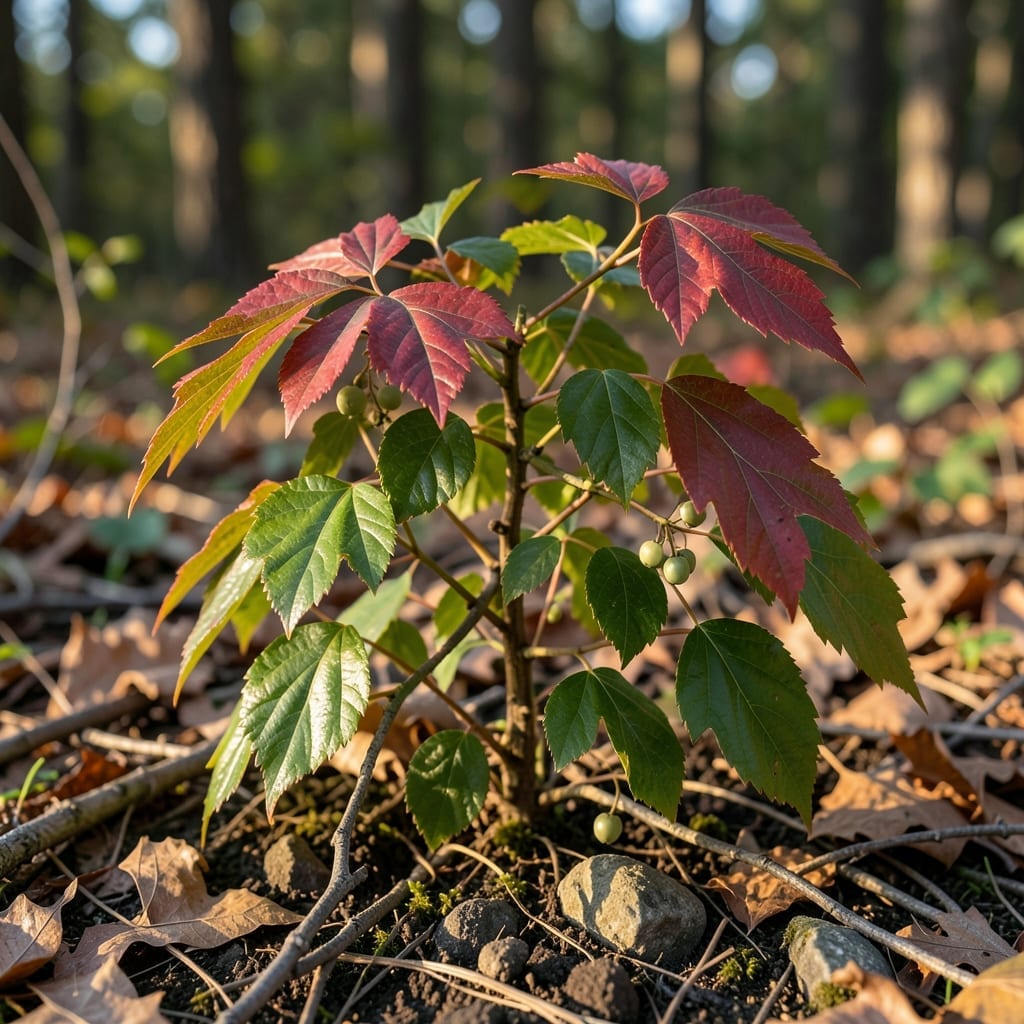
Yes, poison ivy leaves often turn red in fall, especially in cooler climates, as chlorophyll breaks down and anthocyanins develop. They may also appear reddish when young in spring.
I’ve noticed this seasonal shift firsthand—the vibrant red hues emerge as days shorten and temperatures drop, signaling the plant’s adaptation. Young leaves in spring can also display a reddish tint, which fades as they mature. This color variation is a survival mechanism, helping the plant maximize sunlight absorption during critical growth phases. 🔥
💡 In This Article
The red transformation begins with chlorophyll breakdown. As daylight shortens in autumn, the green pigment that dominates summer foliage degrades, revealing hidden pigments. Anthocyanins, which produce reds and purples, become visible as they’re no longer masked by chlorophyll. This shift is triggered by cooler temperatures and reduced sunlight exposure. 🔥
Young poison ivy leaves often display red tones in spring due to anthocyanin production. These pigments act as sunscreen, protecting tender new growth from intense UV rays. The reddish hue fades as leaves mature and chlorophyll production ramps up. This adaptive strategy helps the plant survive during vulnerable growth stages while maximizing light absorption. ✨
Environmental factors accelerate the process. Nighttime temperatures below 50°F signal the plant to begin shutting down photosynthesis. The combination of cold nights and sunny days creates ideal conditions for anthocyanin production. In northern climates, this color change typically begins in late September and peaks by mid-October. 🌟
What’s fascinating is that not all poison ivy turns red. Some plants develop orange or yellow hues depending on their genetic makeup and local conditions. The intensity of the color also varies—plants in full sun often display more vibrant reds than those in shaded areas.
This variation makes identification more challenging but also creates stunning autumn displays. ⚡
This color change serves a biological purpose beyond aesthetics. The red pigments help leaves absorb more sunlight during the cooler, shorter days of fall. This extra energy production supports the plant’s final growth push before winter dormancy. The same pigments also offer some protection against freezing temperatures, giving the plant a slight survival advantage. 💫
They typically turn red in early fall, usually late September through October. Cooler temperatures and shorter days trigger this color change in northern climates.
Young leaves produce red anthocyanins as natural sunscreen. This protects tender new growth from UV rays until chlorophyll develops fully. The red fades as leaves mature.
No, the urushiol oil remains just as potent regardless of leaf color. Always avoid contact with any part of the plant, even when leaves are red or yellow.
Yes, plants like Virginia creeper or sumac also turn red. Always check for the “leaves of three” pattern and hairy vines to confirm poison ivy.