
Beautiful Plants For Your Interior
Beautiful Plants For Your Interior
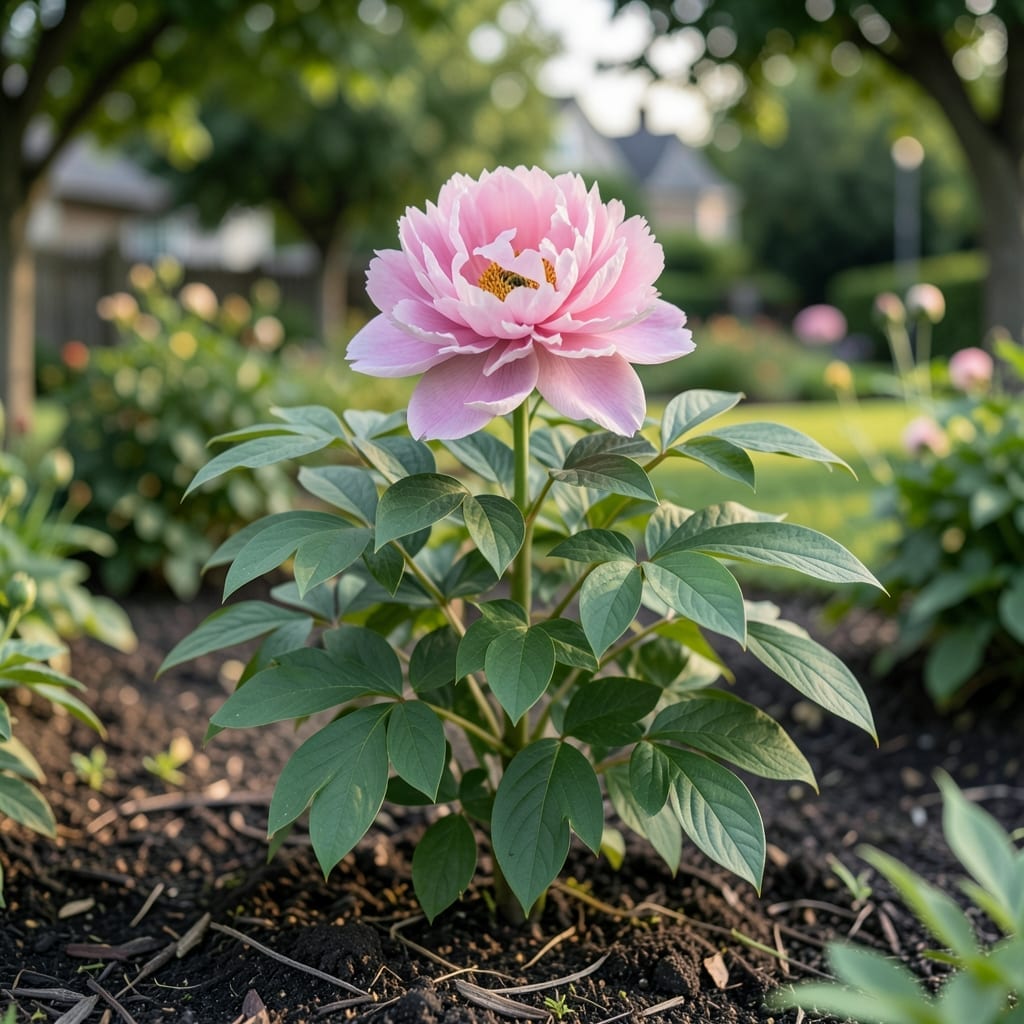
Peonies are beloved for their lush, fragrant blooms, but their light needs often puzzle gardeners. The answer isn’t black and white—it depends on type, climate, and even time of day.
I’ve seen 🌸 Peony plants thrive in full sun and others flourish in partial shade. The key is understanding what your specific variety craves to produce those stunning spring blooms.
Discover how to match your peonies with the perfect light conditions. Whether you have a sunny yard or a shady garden, I’ll help you find the sweet spot for vibrant, healthy growth.
 Best Window Placement
I’ve learned that peonies thrive best with 6-8 hours of direct sunlight daily. This is especially true for classic herbaceous peonies, which produce the most vibrant blooms in full sun conditions.
However, not all peonies have the same needs. Tree peonies can tolerate partial shade, while Itoh peonies fall somewhere in between. The right light exposure can make or break your peony’s blooming potential.
| Peony Type | Ideal Light Conditions | Bloom Quality |
|---|---|---|
| Herbaceous | Full sun (6-8 hours) | Largest, most vibrant blooms |
| Tree | Partial shade (4-6 hours) | Good blooms, longer season |
| Itoh | Full to partial sun (5-7 hours) | Strong stems, abundant flowers |
In my experience, herbaceous peonies like ‘Sarah Bernhardt’ or ‘Coral Charm’ need that full sun to develop their signature large, fragrant blossoms. Without enough light, they’ll produce fewer, smaller flowers.
For tree peonies, which are actually woody shrubs, I’ve found they appreciate some afternoon shade, especially in hotter climates. This protects their delicate petals from scorching while still allowing for beautiful displays.
Itoh peonies, being a hybrid, show remarkable adaptability. They can handle a range of light conditions, but I always recommend at least 5 hours of sunlight for optimal performance in most gardens.
Climate plays a big role too. In cooler northern regions, I push for maximum sun exposure. But in southern areas with intense heat, I often suggest some afternoon shade to prevent leaf scorch and maintain flower quality.
The time of day matters as well. Morning sun is gentler and more beneficial than harsh afternoon rays. I’ve seen peonies do particularly well with eastern exposure that provides bright, indirect light.
Don’t forget that even shade-tolerant varieties need some light. Complete shade will result in weak stems and poor flowering. I always aim for that sweet spot where the plant gets enough light without being stressed.
If you’re unsure about your garden’s light conditions, I recommend tracking the sun exposure throughout the day. You might be surprised by how much light certain areas actually receive, especially during the growing season.
☀️I’ve noticed that peonies show clear signs when they’re not getting their ideal light. The most obvious is poor blooming—fewer flowers or smaller blooms than expected. This often happens when they’re in too much shade.
Another red flag is weak stems that can’t support the heavy flowers. This typically occurs in too much shade, causing the plant to stretch toward the light. I see this often with herbaceous varieties in dark corners.
🌱 Key Takeaway:
Leaf scorch (brown edges) often means too much sun. Leggy growth with few flowers signals not enough light. Adjust exposure to fix these issues.
In hot climates, I watch for leaf scorch—brown, crispy edges on leaves. This usually means the plant is getting too much afternoon sun and needs some shade during the hottest part of the day.
Leggy growth with long, weak stems and sparse foliage is a classic sign of insufficient light. The plant is stretching toward any available light source, which results in poor structure and fewer blooms.
If your peonies are producing blind buds (buds that never open), this could indicate too much shade or inconsistent light. I recommend checking if nearby trees or buildings are casting unexpected shadows.
For tree peonies, I look for stunted growth or delayed blooming. These woody shrubs need more light than many gardeners realize, and they’ll struggle in deep shade.
☀️