
Beautiful Plants For Your Interior
Beautiful Plants For Your Interior
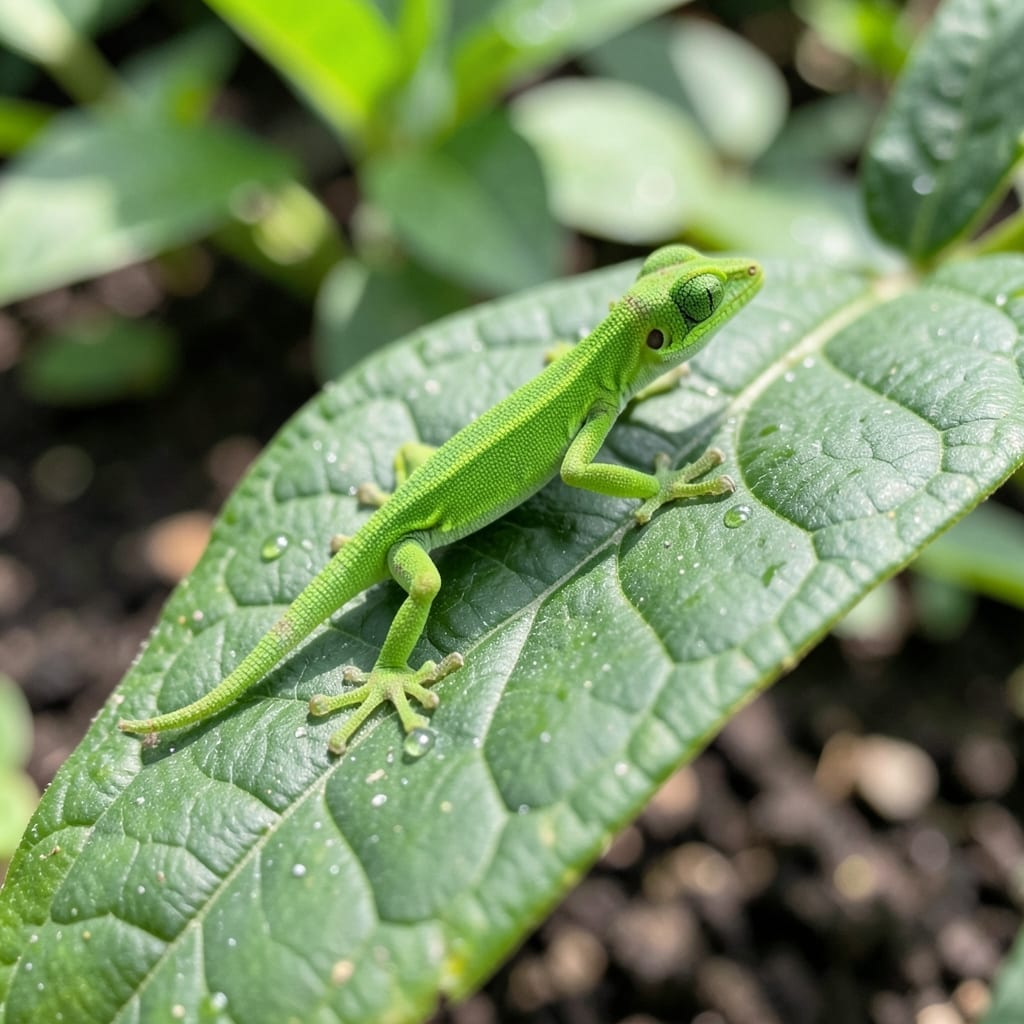
Most lizards are carnivorous or insectivorous, but some herbivorous species like iguanas and uromastyx do eat leaves, flowers, and other plant material as a primary food source.
I’ve noticed that plant-eating lizards often have specialized gut bacteria to break down tough cellulose in leaves and stems. 🔥 This adaptation allows them to extract nutrients efficiently, unlike their meat-eating cousins who rely on protein-rich prey. Species like green iguanas thrive on a diet of leafy greens, while others may supplement with fruits or flowers.
💡 In This Article
Herbivorous lizards evolved specialized gut anatomy to process fibrous plant matter. Their intestines are longer relative to body size, with enlarged ceca that house symbiotic bacteria. These microbes break down cellulose, extracting nutrients from tough leaves and stems that carnivorous lizards can’t digest. 🔥
Green iguanas exemplify this adaptation perfectly. In the wild, they consume 95% plant material, favoring young, tender leaves and shoots. Their digestive efficiency comes from a cecum that acts like a fermentation vat, where bacteria work for 12-24 hours to unlock nutrients from otherwise indigestible material.
Uromastyx lizards take this further with a diet of 70-80% plant matter, including dried leaves and seeds. Their powerful jaws crush tough vegetation, while expanded abdominal regions accommodate the longer digestive tract needed for plant breakdown. This allows them to thrive in arid environments where animal prey is scarce. ✨
What’s fascinating is how these adaptations support their physiology. The slow fermentation process provides steady energy, ideal for lizards that spend hours basking. Their teeth are also different—broader and flatter for grinding rather than piercing, unlike the sharp teeth of insect-eating species.
This dietary specialization comes with tradeoffs. Herbivorous lizards often have slower metabolisms and need to eat more frequently to maintain energy levels. Their plant-based diet also requires careful mineral balancing, as some leaves contain oxalates that can bind calcium, necessitating specific dietary supplementation in captivity. 💫
Green iguanas and uromastyx lizards primarily eat leaves and plant matter. These species have specialized digestive systems to break down fibrous vegetation efficiently.
Most lizards lack the gut bacteria and long intestines needed to digest tough plant material. Carnivorous species rely on protein from insects or small animals instead of leaves.
Only if you confirm they’re non-toxic and pesticide-free. Safe options include dandelion or hibiscus leaves. Always research first—some common plants are deadly to reptiles.
Daily for juveniles, every other day for adults. Offer fresh leaves in small amounts to prevent waste. Remove uneaten portions after 24 hours to avoid spoilage.