
Beautiful Plants For Your Interior
Beautiful Plants For Your Interior
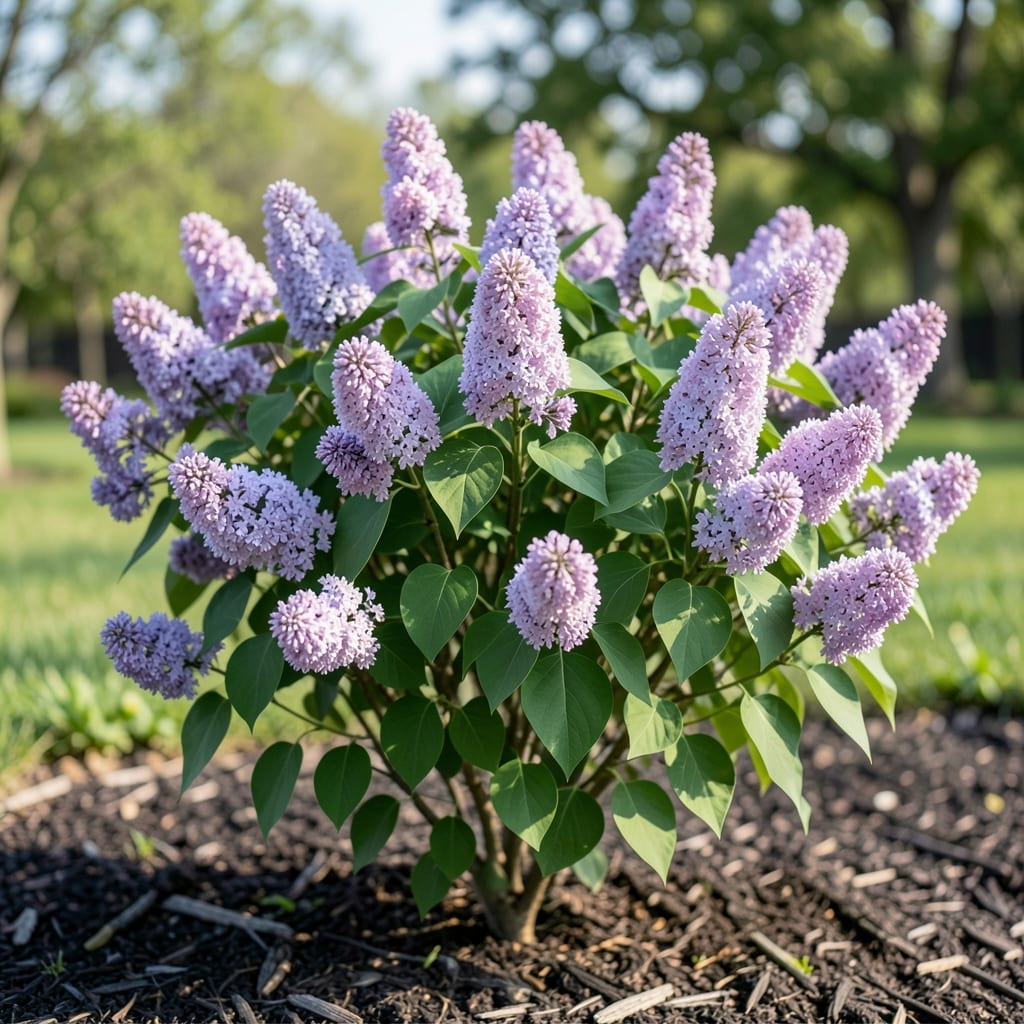
Yes, lilac bushes are deciduous and naturally shed all their leaves in winter as part of their seasonal cycle, entering dormancy until spring.
This annual leaf drop isn’t a sign of poor health—it’s a survival strategy. 🌟 Lilacs conserve energy during cold months by shedding foliage, redirecting resources to their roots. I’ve noticed that even in harsh winters, healthy lilacs bounce back vigorously in spring with fresh growth and abundant blooms.
What’s fascinating is how this dormancy period actually strengthens the plant for the next growing season. ✨
💡 In This Article
Lilacs are classic deciduous shrubs that undergo a biological shutdown as daylight shortens and temperatures drop below 50°F. This triggers the production of abscisic acid, a hormone that signals leaves to detach cleanly at the stem. The process conserves water and prevents freezing damage to delicate foliage. 🌟
During dormancy, lilacs shift energy from leaf maintenance to root development underground. The plant’s vascular system slows dramatically, with water movement dropping by up to 90%. This metabolic pause allows the bush to survive on stored carbohydrates in its roots and stems throughout winter’s harshest months.
What’s remarkable is how the leaf drop timing syncs with nature’s calendar. Most lilac varieties begin shedding in late fall, with complete defoliation by the first hard frost. The bare branches you see aren’t dead—they’re in a state of suspended animation, waiting for spring’s warmth to trigger new growth. ⚡
This survival strategy evolved over millennia in cold climates. Wild lilac ancestors in mountainous regions developed this trait to endure temperatures as low as -30°F. Modern cultivars inherit this resilience, though some newer hybrids may hold leaves slightly longer in mild winters.
The leaf litter itself serves a purpose. As it decomposes, it returns nutrients to the soil while providing natural mulch. This creates a microclimate that protects roots from temperature swings. Gardeners can mimic this by leaving fallen leaves in place until spring cleanup. ✨
Lilacs are deciduous, so bare branches in winter are completely natural. The plant enters dormancy to conserve energy and protect itself from freezing temperatures.
Some newer hybrids may retain leaves longer in warmer climates. However, even these varieties typically shed most foliage by the first hard frost. This partial defoliation still protects the plant.
Leaving a 1-2 inch layer of leaves provides natural mulch and returns nutrients to the soil. Remove only thick accumulations that could smother the roots or promote disease.
Check for green under the bark on branches—this indicates life. Dormant bushes have flexible stems, while dead wood snaps easily. When in doubt, wait until spring to assess new growth.