
Beautiful Plants For Your Interior
Beautiful Plants For Your Interior
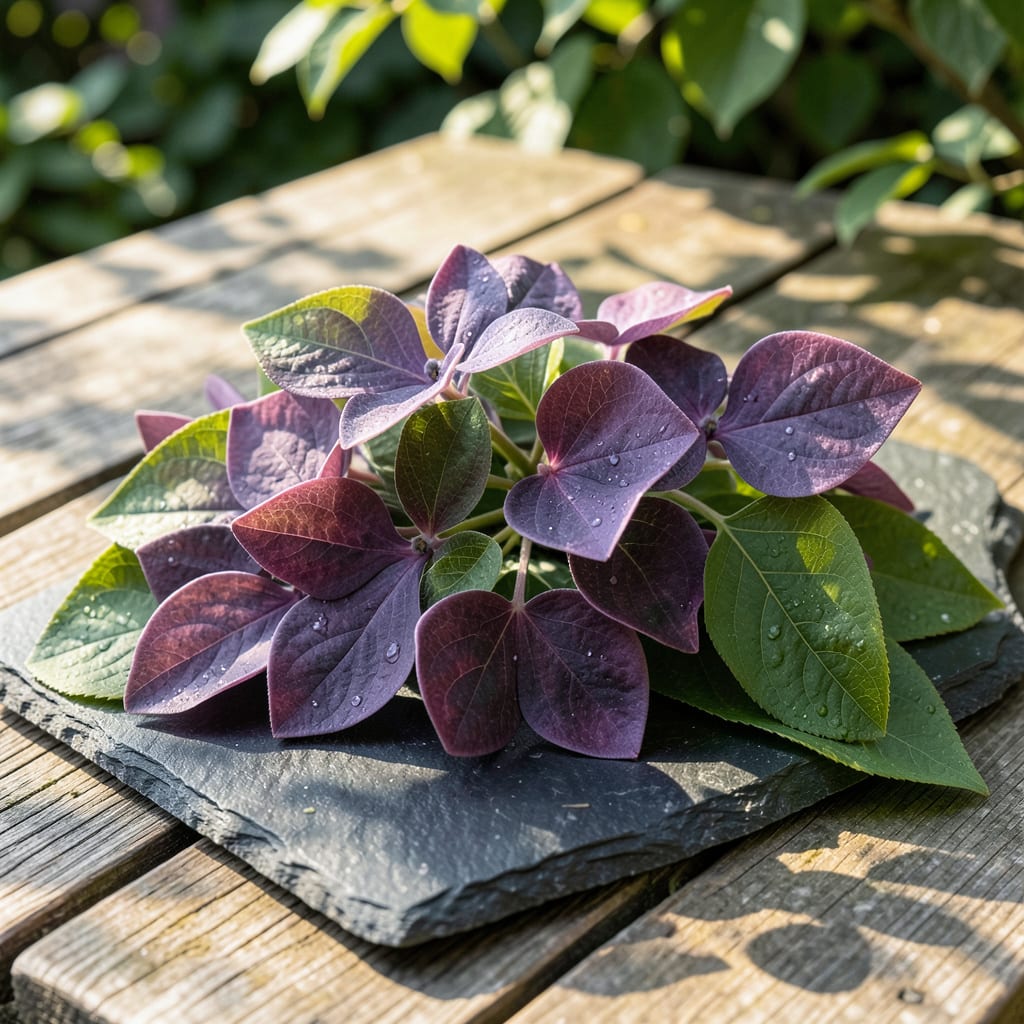
Don’t panic when your lilac leaves turn purple—it’s usually fixable. I’ve seen this happen with my own bushes after a cold snap or when the soil got too wet.
Often it’s a phosphorus deficiency, overwatering, or sudden temperature swings. The good news? With a soil test and a few quick adjustments, your plants can bounce back in a couple of weeks.
📚 In This Guide
Here’s how I quickly pinpoint the issue and nurse my lilacs back to their deep green best.
Start by examining the oldest leaves first—purple coloring typically appears there when phosphorus is lacking. You’ll notice a dark, almost blackish-purple tint on the undersides and along the veins, while the leaf edges might stay green.
This often happens in cold, waterlogged soil where roots can’t absorb nutrients. I test this by pressing my finger into the soil near the base. If it feels cold and soggy, that’s your first clue. A simple soil test kit confirms low phosphorus levels.
Lilacs need full sun (at least 6-8 hours daily) to thrive. Purple leaves can signal the plant isn’t getting enough light, especially if the discoloration is uniform across the bush. Walk around your lilac at midday and note how much direct sunlight it receives.
If it’s shaded by a building or tree, the solution is straightforward: prune back obstructions or consider transplanting to a sunnier spot. I’ve seen dramatic improvements within 2-3 weeks after increasing light exposure.
Lilacs prefer slightly alkaline soil with a pH between 6.5 and 7.5. Purple leaves can indicate the soil is too acidic, locking out phosphorus. Grab a pH test kit from your garden center—it’s a 5-minute job that saves guesswork.
If the pH is below 6.5, work in 1 cup of lime per square foot around the base and water it in. Poor drainage also causes nutrient uptake issues, so check for standing water after rain. If drainage is bad, amending with compost or creating a small mound can help.
Extreme temperature swings or late frosts can shock lilacs, turning leaves purple. Inspect the plant for other stress signs like wilting or brown edges. If a late frost hit recently, give the plant time—it often recovers on its own in 2-4 weeks.
Drought stress can mimic phosphorus deficiency. Push your finger 2 inches into the soil—if it’s bone dry, a deep watering might be all that’s needed. I water my lilacs deeply once a week during dry spells, ensuring the moisture reaches the root zone.
Finally, check for root damage from recent digging or construction nearby. Damaged roots struggle to absorb nutrients, and purple leaves are a common symptom.
Small details make the biggest difference when diagnosing purple leaves on your lilacs.
Light Exposure Check: In Step 2, when assessing light, don’t just estimate—use your phone’s timer to track how many of those 6-8 hours of full sun your plant actually receives. Midday shadows from nearby structures can reduce exposure more than you realize.
Soil Test Precision: For Step 3, when testing pH, collect soil samples from multiple spots around the base, not just one. The pH can vary within a single square foot, and you want an accurate reading between 6.5 and 7.5 to avoid misdiagnosing the issue.
Drainage Inspection: After rain, check for standing water around the roots as mentioned in Step 1. If water pools for more than a few hours, your drainage is likely the culprit. Amending with compost or creating a small mound can prevent the cold, soggy soil conditions that block nutrient uptake.
Recovery Timeline: If environmental stress is the cause, like in Step 4, be patient. While improvements from increased light appear in 2-3 weeks, frost recovery can take the full 2-4 weeks. Don’t rush to treat with fertilizers before ruling out natural recovery.
This is often due to phosphorus deficiency, extreme temperatures, or poor soil drainage. Test your soil and adjust nutrients or improve drainage to restore healthy green leaves.
Yes! With prompt action like adding phosphorus-rich fertilizer or improving watering habits, leaves can regain their green color, especially if the issue is caught early.
Act as soon as you notice the color change. Early intervention—like adjusting soil pH or nutrients—prevents long-term damage and helps your lilac recover faster.
Use a balanced, phosphorus-heavy fertilizer (e.g., 10-30-20). Organic options like bone meal or compost also work well to replenish nutrients.
Maintain well-draining soil, water consistently, and test soil pH regularly. Avoid extreme temperature swings to keep your lilacs vibrant and healthy.
